
Do We Need Another Celebrity Beauty Brand?
Why not? Especially when pop idols are leading the charge for change in the beauty industry and making their voices heard beyond the charts.
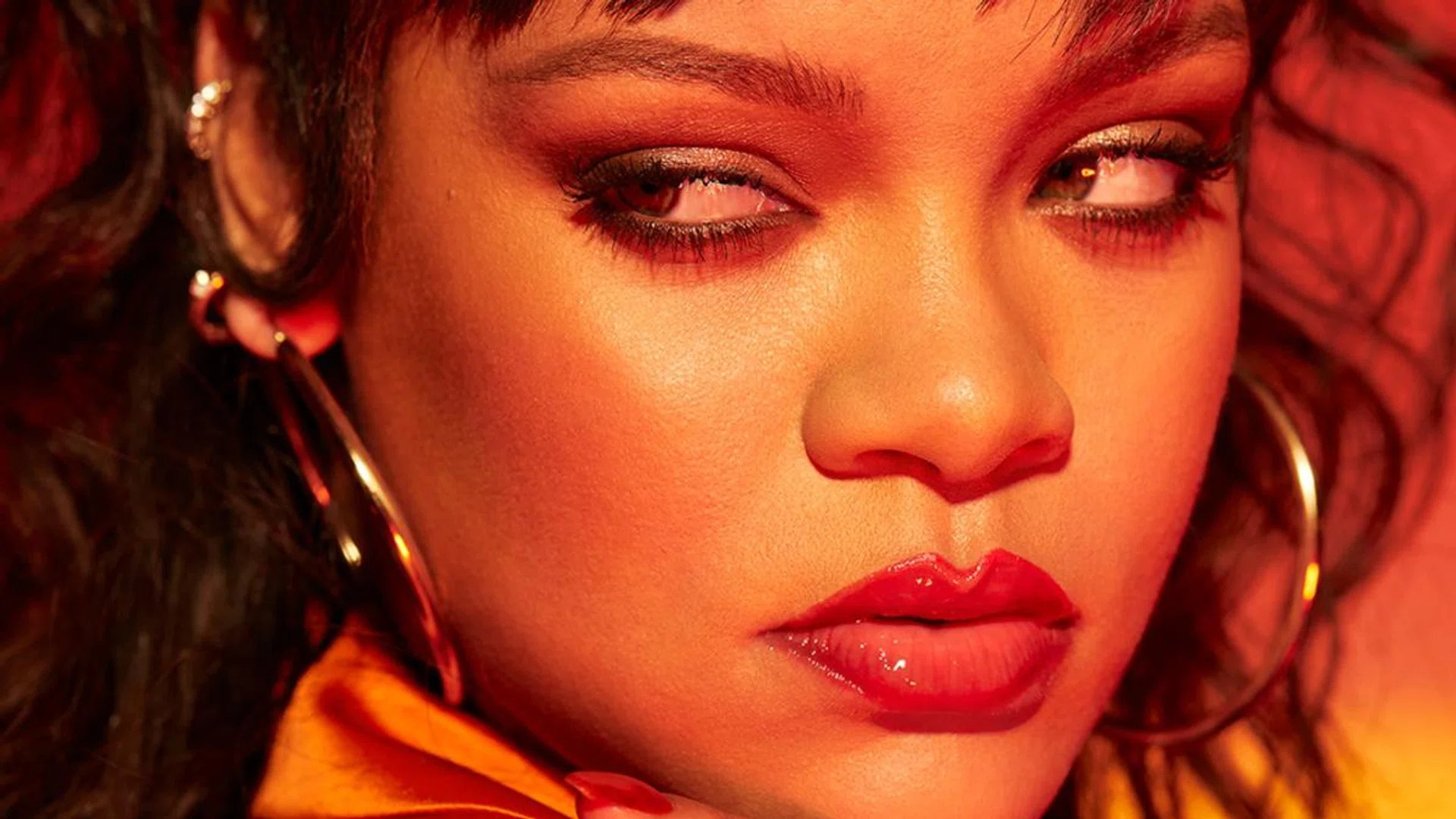
What’s in a name? And what is it about celebs that make us take an interest in what they’re wearing, what they’re doing, who they’re seeing?
READ MORE: Selena Gomez Wants To Challenge Conversations Around Beauty
The celebrity cachet of pop idols, in particular, has led to everything from mere curiosity to innocuous fandom, parasocial (one-sided) relationships and, at the extreme, stalker obsession—spawning legions of memorabilia and other products they can attach their names (and faces) to.
In the sphere of beauty, that translated into a celebrity fragrance boom in the early to mid-2000s – a simple, low-involvement way for artistes to increase visibility when they’re between albums.
READ MORE: We Jumped On A ‘Face Time’ With Actor And Skincare Entrepreneur Lawrence Wong
This expanded over the years to include makeup and skincare fronted or endorsed by the big names in the industry (think Blackpink’s Jennie and Hera and Lisa and M.A.C) – turning into what’s surely a lucrative side hustle for those at the top of their game.
Gen Z pop star Billie Eilish recently announced she is launching a vegan perfume line, while Ariana Grande and Hailey Bieber are dropping R.E.M Beauty and Rhode Skincare respectively.
READ MORE: Can Celebrities And Influencers Really Own The Beauty Scene?
These days though, it’s not all about business and keeping their names in the public’s consciousness. Increasingly, we’re seeing pop stars harness their star power for good, launching their own beauty brands – with a full line of skincare, makeup and body-care products to boot – that champion causes close to their hearts.
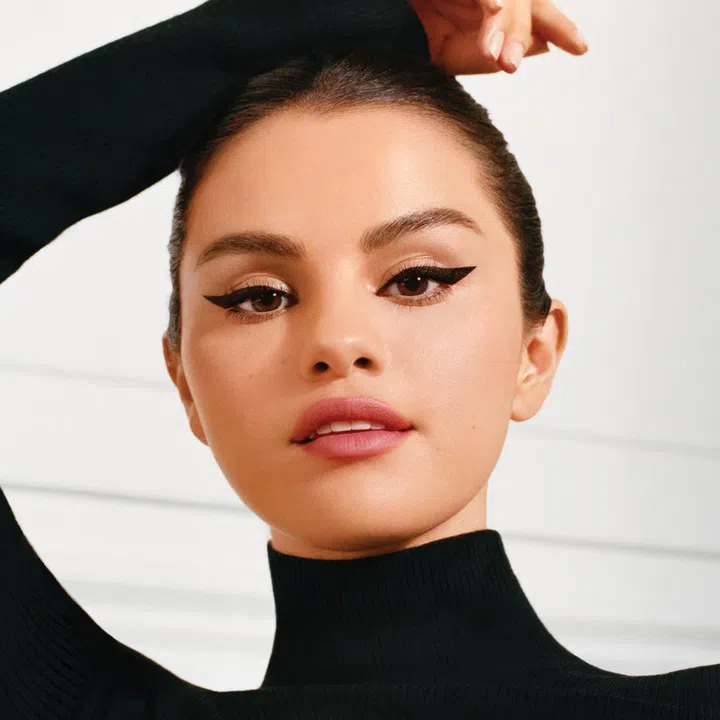
Selena Gomez launched Rare Beauty as a means to challenge the prevailing unrealistic standards of beauty.
One could argue that these pop stars are simply capitalising on their fame to sell us more things. But you could also look at it from another angle: These are people who are keenly aware of how wide their reach is and, because of their own ordeals in life, are using their celebrity to effect the changes they want to see, so others don’t have to experience what they did.
That they’re doing it through beauty just adds to the equation, for they could very well raise another’s self-worth along the way. And that’s never a bad thing.
Ahead, we look at how three superstars are walking the talk when it comes to their holistic approach to celebrity beauty brands.
The huge catalyst that sparked this positive trend? Music darling Rihanna, who launched Fenty Beauty in 2017 with a full range of makeup that included 40 shades of foundation (this has since increased to 50) as well as 30 shades of a contouring, concealing and colour-correcting makeup stick, sparking a conversation about inclusivity that even veteran beauty brands have failed to address.
Her brand delivered beauty for all in the truest sense (her products were also gender-neutral and remain so today) and helped kick-start a movement to embrace a much broader range of foundation shades that cater to everyone, particularly those of colour.
And it wasn’t just a case of her slapping her name and face on the brand either – Rihanna herself was reported to be very involved in product development, which showed just how seriously she took her goal of making women everywhere feel included.
Not content with making inroads into only makeup— and conscious of the fact that skincare and body care have overtaken cosmetics when it comes to beauty priorities during a pandemic—the 33-year-old expanded her empire with the launch of Fenty Skin in July 2020.
As with the offerings in Fenty Beauty, her skincare and body-care products are gender- neutral—delivering a subtle message that caring for one’s skin is a universal interest and not a prerogative of a certain sex.
The pop star, who, incidentally, has not released any new albums since 2016, recently became a billionaire, with an estimated US$1.4 billion (about S$1.9 billion) of her US$1.7 billion fortune coming from Fenty Beauty, which she co-owns with LVMH – proving that one can make a business out of doing good.
Pop sensation Lady Gaga also harnessed her popularity to contribute to the conversation with her take on inclusive beauty.
The advocate for mental health, who has always been vocal about her personal experiences with anxiety, bullying, depression and post-traumatic stress disorder, made self-love the core value of her brand, Haus Laboratories.
Launched exclusively on Amazon in September 2019, it was born of her own beauty journey. In an Instagram post put up around launch time, she credited makeup for inspiring “a bravery in me I didn’t know I had”, adding that she discovered her beauty “by having the ability to invent myself and transform”.
The 35-year-old aims to bring that same empowerment and freedom to the masses by increasing their access to makeup. Harking back to her days as an aspiring singer in lower Manhattan, when she used makeup from personal care stores to create what would become her signature look, her range of vegan and cruelty-free offerings is pegged at an affordable price point (from about $20 for a mini eyeliner).
As befitting her brand, which, as she put it, “is all about liberation”, the focus is on colour makeup made for self-expression.
And Gaga walks the talk too, giving back in monetary terms as well. A dollar from each purchase made through the brand’s website (hauslabs.com) goes to the Born This Way Foundation, which was co-founded by Gaga and her mother Cynthia Germanotta in 2012.
“The goal is to challenge meanness and cruelty by inspiring young people to create a support system in their respective communities,” she said of the non-profit organisation.
Another bigwig lending star wattage to the drive for change is pop princess Selena Gomez, who challenged the prevailing unrealistic standards of beauty and championed the need to remove the stigma of mental health issues with her beauty brand Rare Beauty.
Launched in September 2020 with a full makeup line, including a foundation in 48 shades, it calls for one to embrace and celebrate what makes one unique. The 29-year-old has also expressed her hope that Rare Beauty can transcend its role as mere provider of cosmetics, becoming, too, a community, a safe space if you will, for people of all ages, gender identities, sexual orientations, races, cultures, physical and mental abilities, and perspectives to talk openly about beauty, self-acceptance and mental health.
Cementing her commitment to making a difference in the world, Gomez launched the Rare Impact Fund alongside her beauty brand, pledging 1 per cent of all Rare Beauty sales to it. The initiative works to connect underserved communities with access to mental health services—which Gomez has said made an impact on her own recovery from bipolar disorder. To that end, it aims to raise US$100 million over the next decade.
This article first appeared in Harper's Bazaar Singapore