
Can You Bring An Old Perfume Back To Life?
Dior is bringing back 13 of its most iconic perfumes, with Francis Kurkdjian leading a four-year effort to restore them as closely as possible to their original compositions.
It’s no secret fashion has been looking backwards for a while now. From the return of cult Y2K handbags to the re-issuing of key archival runway pieces, luxury brands seem increasingly keen to revisit what came before.
Take how Balenciaga made headlines last year with a collection of 10 scents built around the return of Le Dix, its first perfume, originally launched in 1947. Now, Dior is getting in on the nostalgia act, although its approach is a little different.
Called Dioriginals, the project sees the maison revisiting 13 classic fragrances spanning almost 80 years of its history, from Diorama (1949) to Higher Energy (2003). But rather than bringing back old favourites, Dior's Perfume Creation Director Francis Kurkdjian has spent four years working to restore their original compositions, tracking down formulas and sourcing materials to bring each scent closer to what its creators first intended.
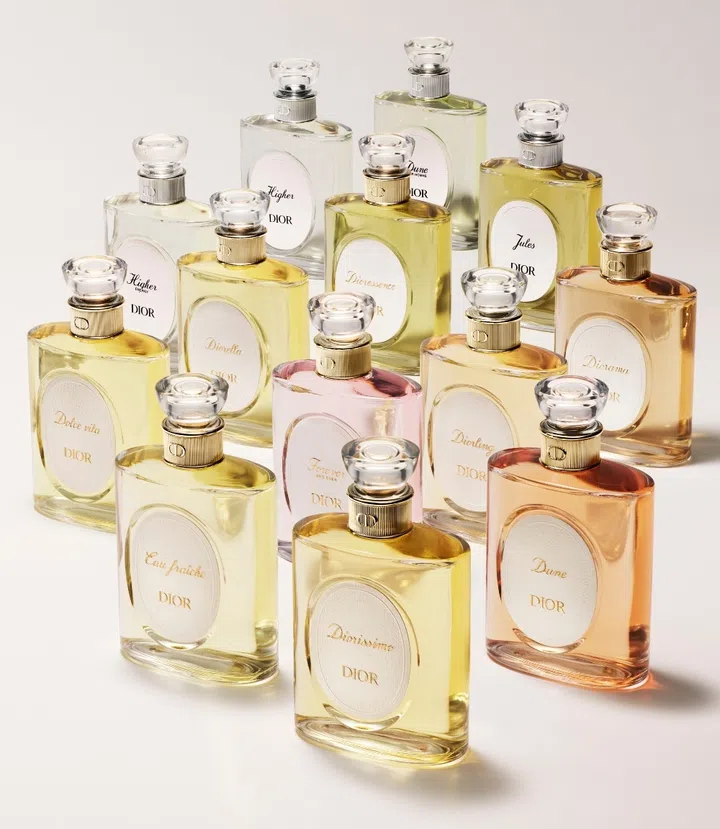
Dioriginals is a collection of 13 classic perfumes from across Dior’s history, restored by the maison’s current nose Francis Kurkdjian to bring them as close as possible to their original compositions. The project aims to recover the scents’ original character, despite decades of changes to ingredients, suppliers and industry regulations.
Perfumes, after all, are not quite like handbags or clothes that can be pulled from an archive and reproduced. Ingredients change, suppliers disappear and regulations evolve, meaning even a formula that exists on paper may not smell quite the way it once did. Dioriginals is, in that sense, as much an exercise in preservation as it is a celebration of the French maison’s history.
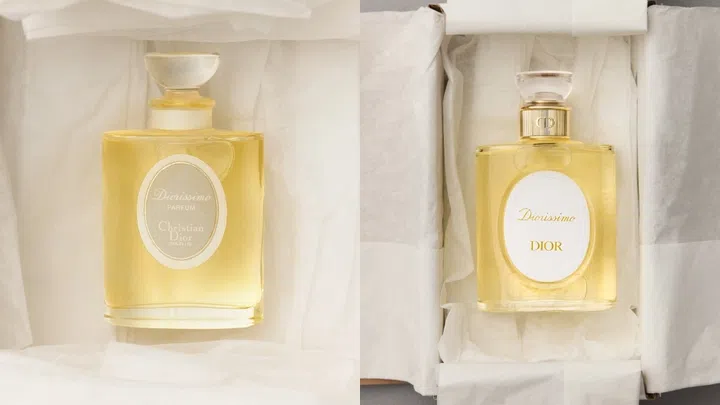
On left: an original Ovale bottle, a design created in 1948 by Serge Heftler-Louiche, co-founder and first director of Parfums Christian Dior. It gets its name from the oval-shaped label on the front, and features a hemispherical stopper, a white cord around the neck and an 18th century-style bow. On the right: the 2026 version of Diorissimo, which comes in a refreshed take on the original bottle, with a more minimalist textured label and a grooved metal ring engraved with the CD monogram.
The collection is divided into two chapters: Dior in Grasse, covering fragrances created between 1949 and 1972, and Dior in Paris, which takes us from 1979 to 2003. Together, they offer a rather lovely cross-section of the house’s rich olfactory history, from the floral chypres of its earlier years to the more modern, expressive scents that followed.
Here, a closer look at the 13 Dior classics that have been given a second lease of life - and that are now available at Dior Beauty boutiques and online store:
Diorama (1949), $245 for 100ml
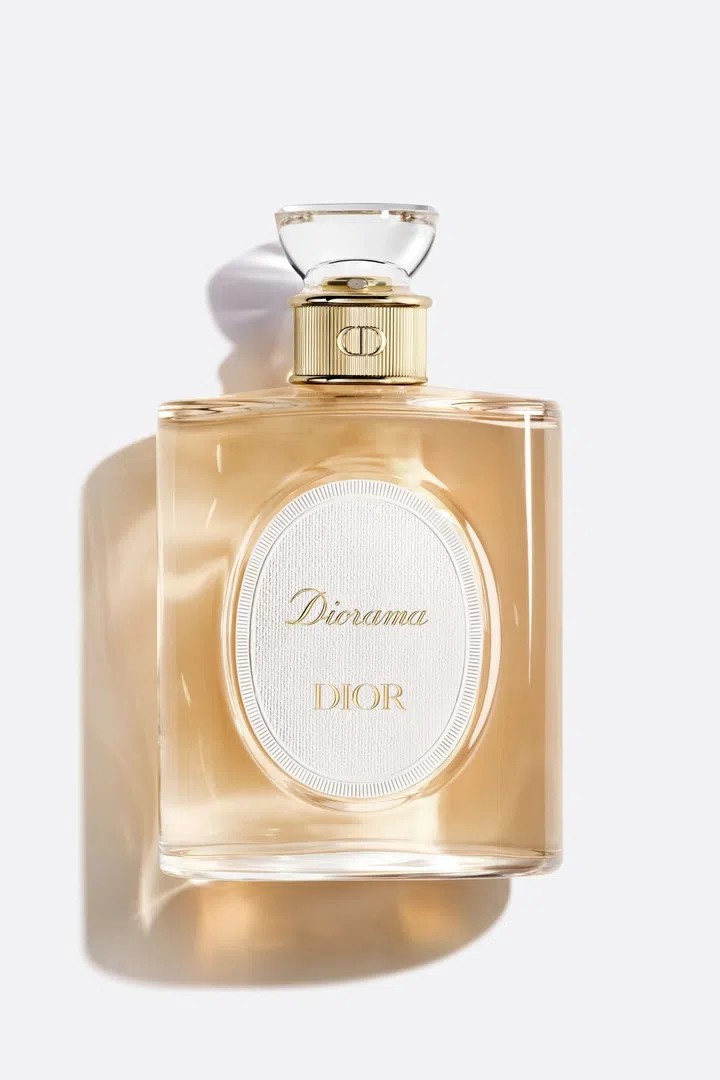
The second fragrance from the house, Diorama is a spicy floral chypre that feels decidedly grown-up. Think a generous bouquet of jasmine and tuberose, with an aromatic edge from tarragon and the earthy depth of oakmoss. Dior’s description of the scent at the time even likened its wearer to a woman of worldly experience and refined sophistication. For this restoration, Kurkdjian focused on the quality of the jasmine, bringing back some of the brightness and richness that had been lost along the way.
Eau Fraiche (1955), $245 for 100ml
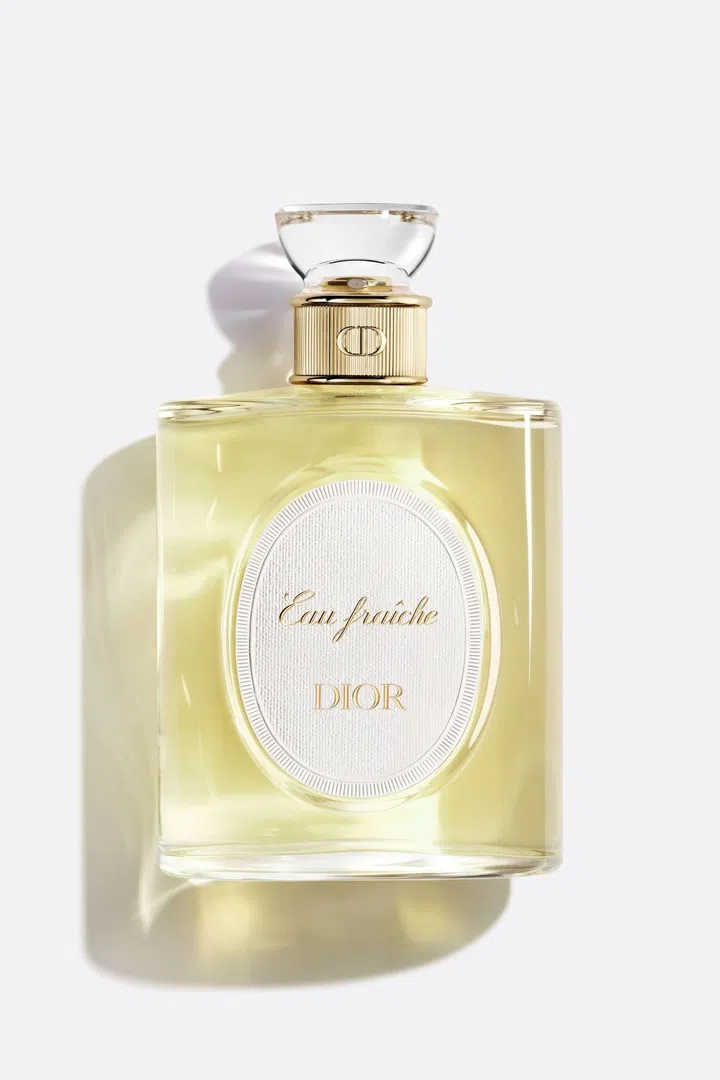
A little ahead of its time, Eau Fraiche helped usher in a more streamlined approach to perfumery, favouring freshness over the elaborate compositions that had come before it. Composed by Edmond Roudnitska, it was also reportedly Christian Dior’s own preferred fragrance. Its citrus and chypre character makes it one of the lighter, more refreshing entries in the collection, and a reminder that Dior’s olfactory legacy isn’t all grand florals and heady, opulent scents.
Diorissimo (1956), $245 for 100ml
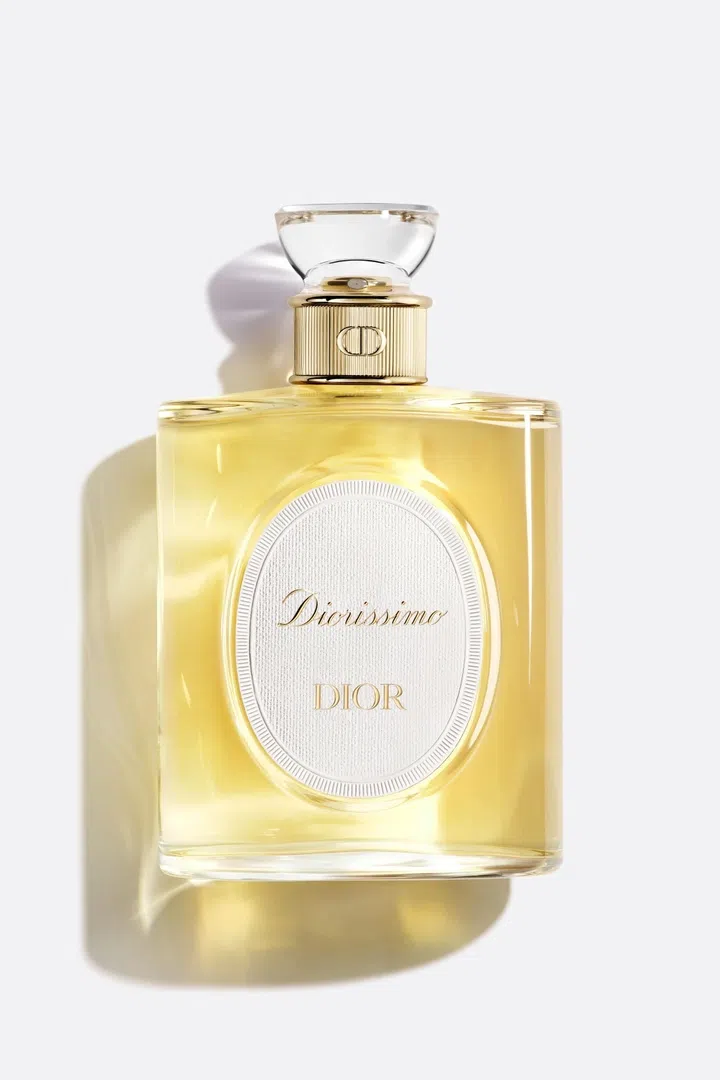
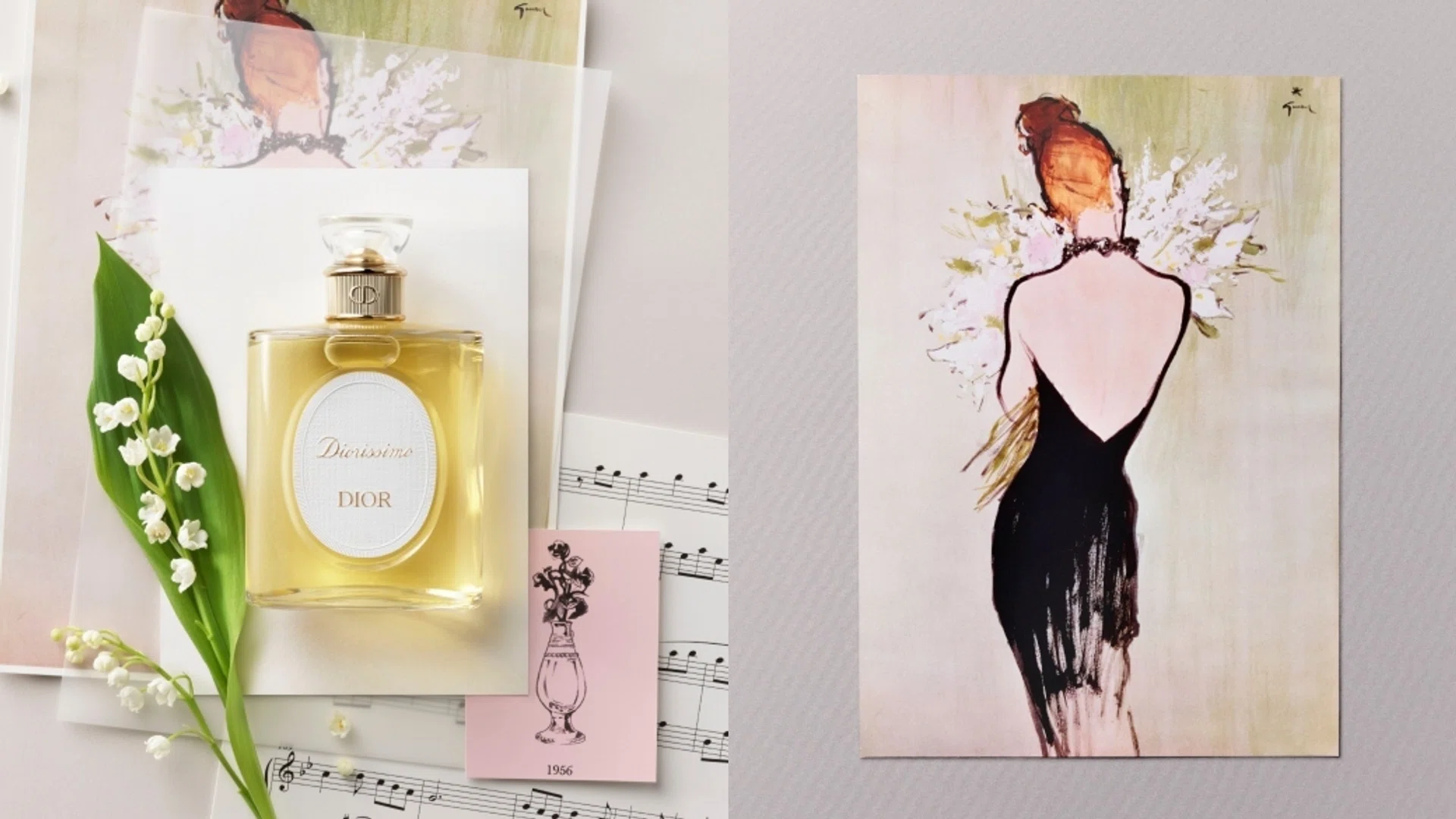
If there’s one flower that defines Diorissimo, it’s lily of the valley. Christian Dior’s favourite flower was also an obsession for the perfumer behind this perfume, Edmond Roudnitska, who planted beds of it at his home in Grasse. The challenge was that the flower’s delicate scent is notoriously difficult to capture naturally. His solution was a composition that became something of a benchmark for lily-of-the-valley fragrances. Kurkdjian’s restoration focused on the white floral accord, using a new quality of jasmine to bring back its original freshness and luminosity.
Diorling (1963), $245 for 100ml
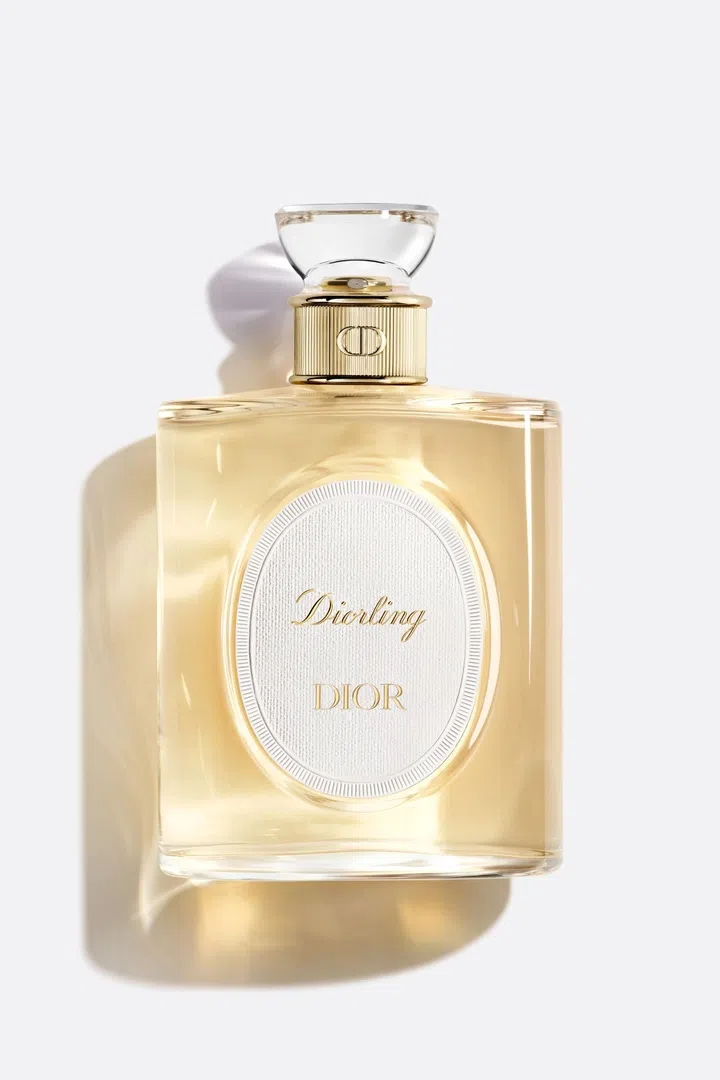
One of the collection’s more intriguing chypres, Diorling pairs floral notes with a distinctly leathery character. It has a more assertive personality than the lighter, fresher fragrances in the line-up, with the contrast between its floral and leather facets giving it a polished, slightly unconventional edge. Originally created by Paul Vacher, who also composed the brand’s very first perfume Miss Dior, it represents the more sophisticated, structured side of Dior’s early fragrance heritage.
Diorella (1972), $245 for 100ml
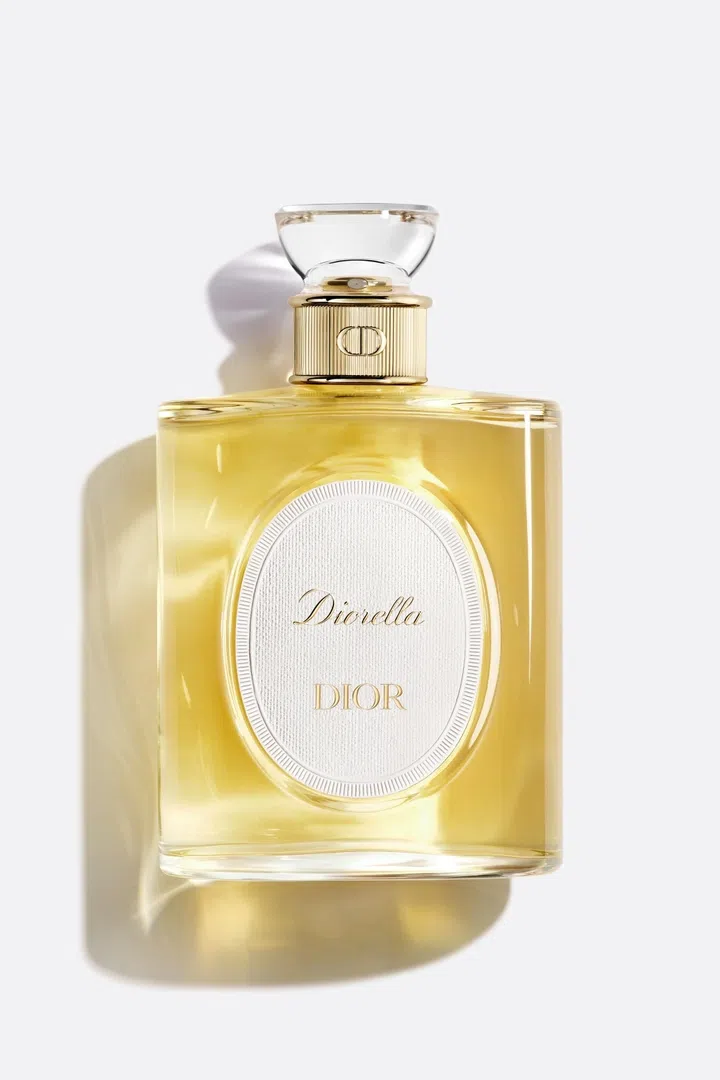
If Diorissimo is all about the romance of flowers, Diorella takes a more spirited approach. A floral chypre, it sits somewhere between freshness and sensuality, with a character that feels lively rather than overtly sweet. It’s part of the lineage of fragrances that helped establish the chypre (a classic perfume genre known for its signature contrast between bright citrus top notes and a dark, mossy base) as one of Dior’s enduring styles, balancing a floral heart with a more earthy, woody base.
Dioressence (1979), $245 for 100ml
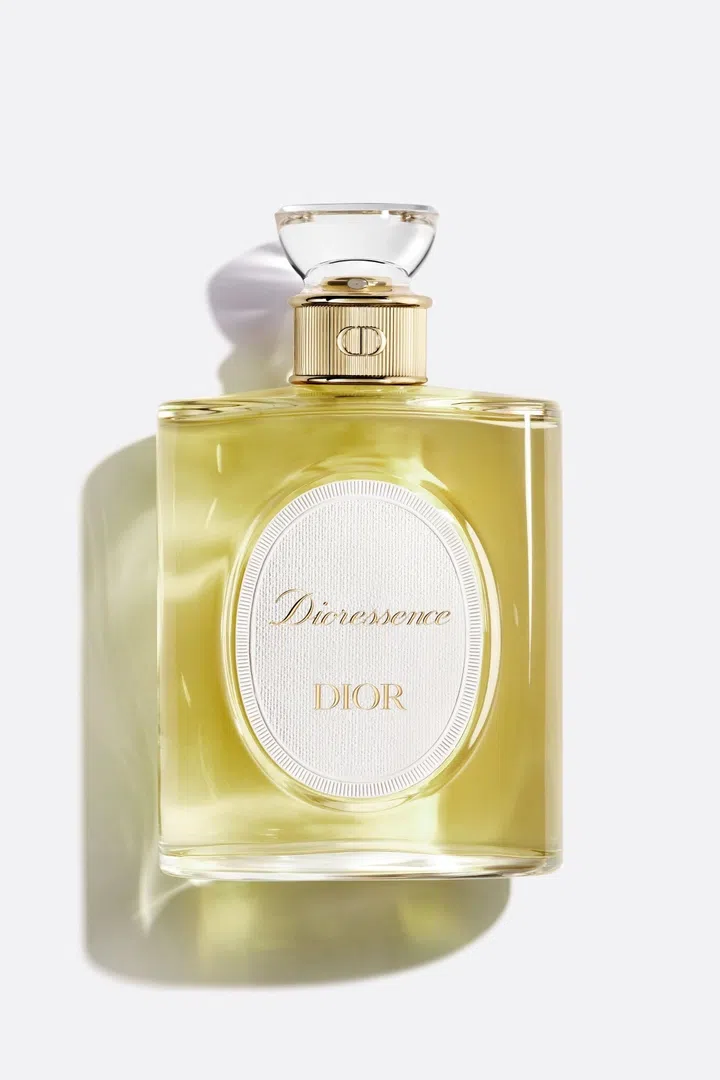
This is one of the more voluptuous fragrances in the collection; a spicy chypre with a sensual, ambery character. Its composition moves from bright citrus into a floral heart of rose, jasmine and geranium, before settling into a deeper base of oakmoss, patchouli and benzoin.
Jules (1980), $195 for 100ml
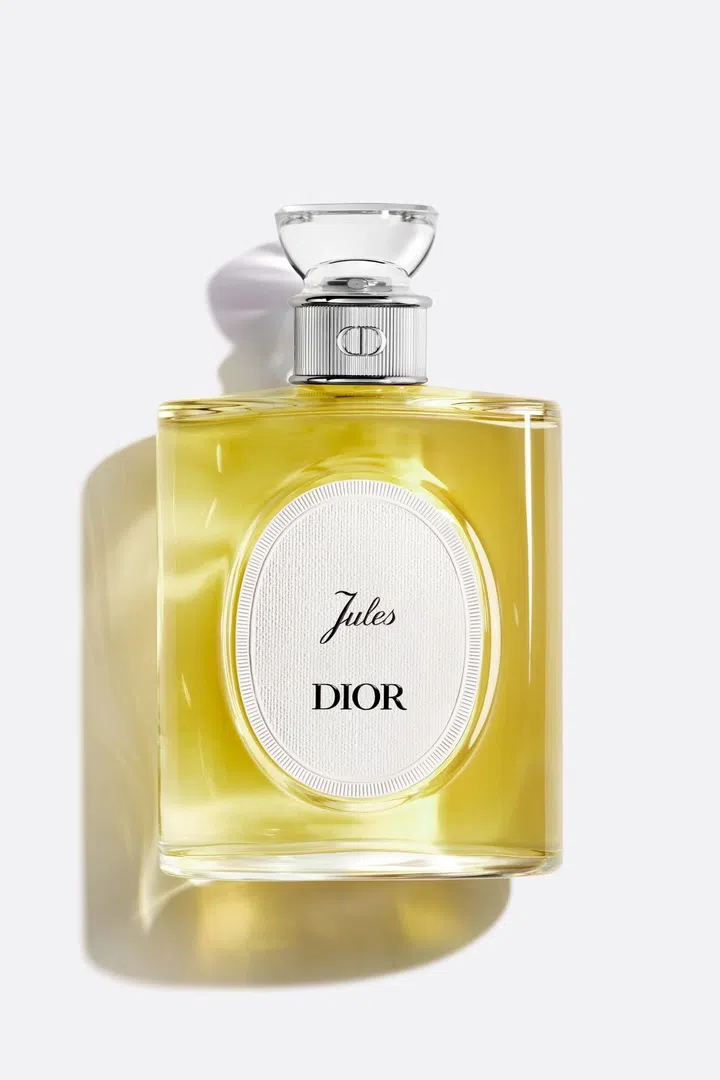
A distinctly masculine entry, Jules belongs to the aromatic and ambery side of Dior’s fragrance universe. Rather than leaning on the crisp, clean profile often associated with men’s scents, it has a warmer, more substantial character, thanks to its striking blend of moss, tonka bean and spicy notes.
Dune (1991), $245 for 100ml
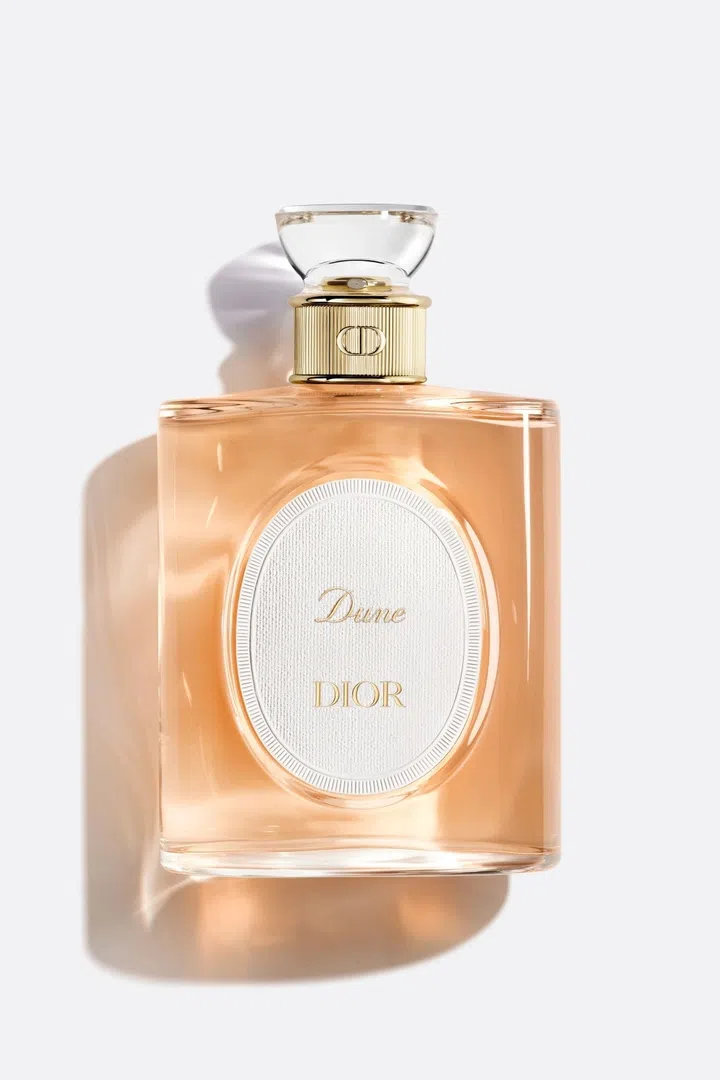
A garden by the sea. That was the brief for perfumers given to Jean-Louis Sieuzac and Dominique Ropion. There’s a green, fruity opening of fig and blackcurrant, softened by a warm amber base of patchouli, sandalwood and vanilla. Its distinctive oceanic quality helped make it one of the defining fragrances of the early 1990s. For the restoration, Kurkdjian worked to recover the original blackcurrant and tangerine notes, alongside softer musks and other facets that are no longer permitted in perfumery.
Dune pour Homme (1997), $195 for 100ml
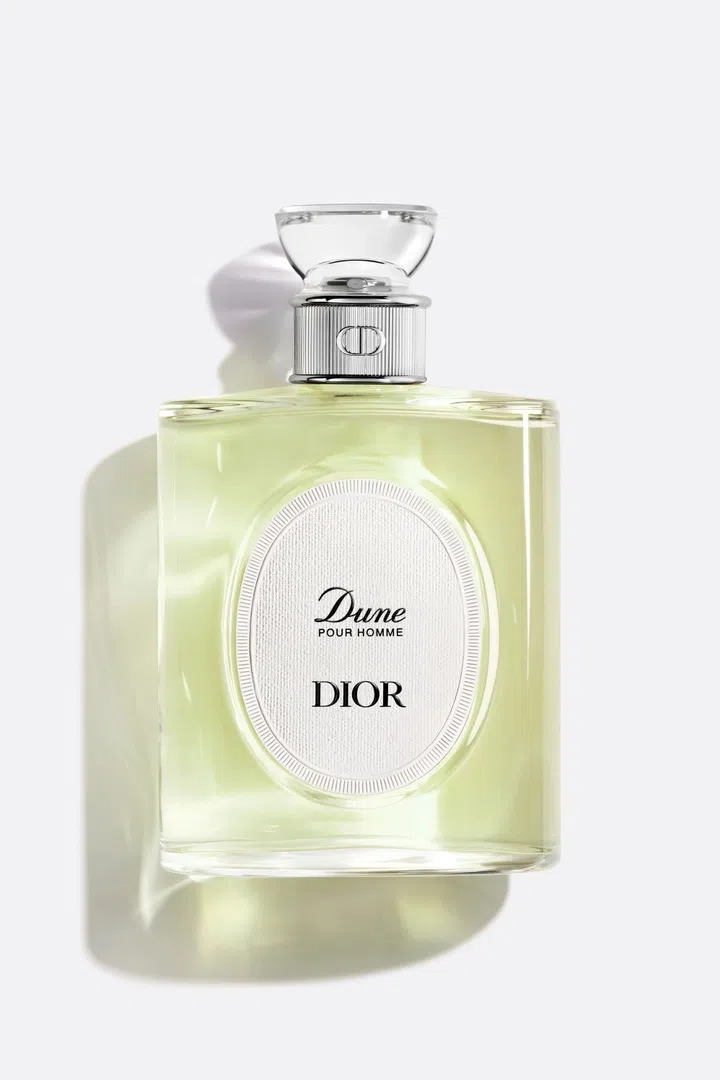
Despite sharing a name and a marine inspiration with its feminine counterpart, Dune pour Homme is very much its own thing. It opens with bright mandarin and green fig before settling into cedar and creamy sandalwood, giving it a crisp, woody character. Kurkdjian says the proportions of the original formula were left untouched; instead, he revisited the quality of the citrus and wood essences, sourcing sandalwood from Nepal to recover the milky quality of the original.
Higher (2001), $195 for 100ml
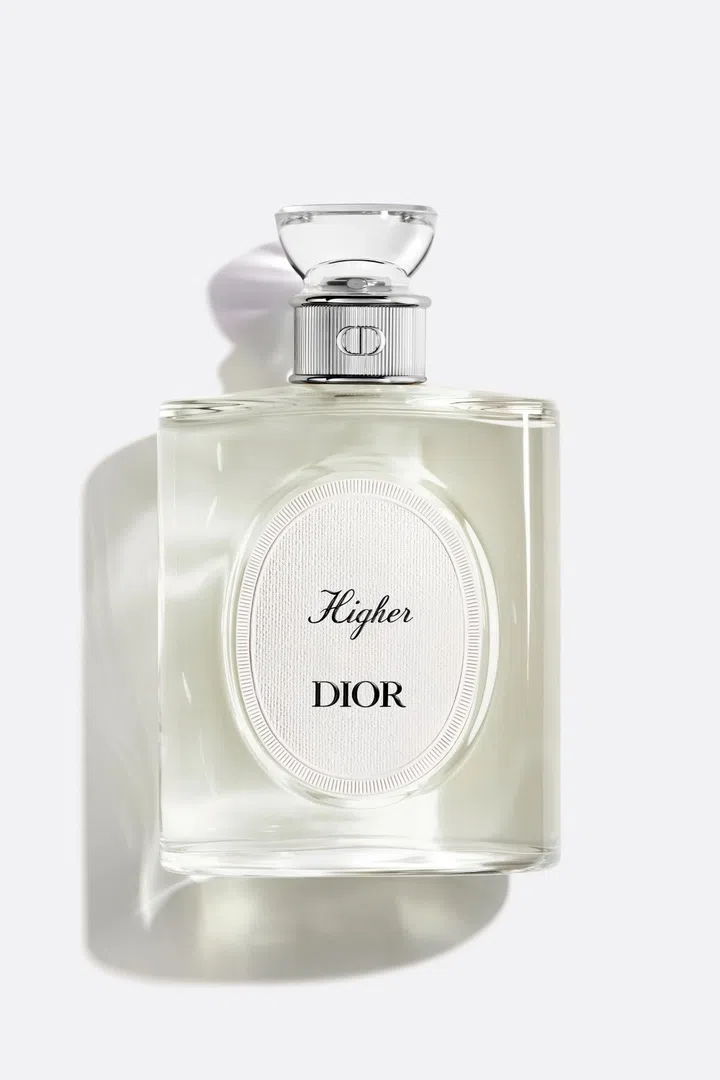
Created during Hedi Slimane’s tenure at Dior Homme, Higher has the fresh, slightly restless energy of early Y2K style. Lemon and basil give it a bright opening, while rosemary, pepper and cardamom bring a more aromatic, spicy edge. Cedar and musk anchor the composition. Its formula needed relatively little adjustment, with Kurkdjian mainly revisiting the basil accord to meet current regulations.
Forever and Ever (2002), $245 for 100ml
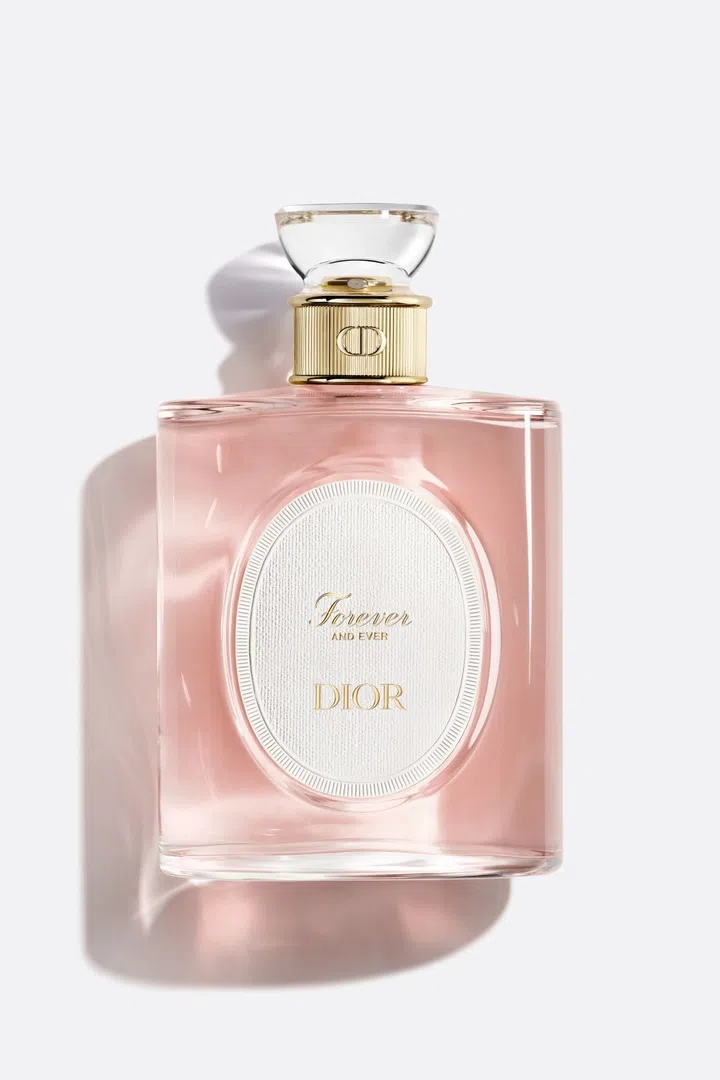
A much softer proposition, the girlish Forever and Ever was conceived as an ode to springtime, with a floral bouquet built around wild rose, freesia and an invented almond blossom accord. There’s a gentle sweetness to it, balanced by the slightly fruity freshness of ambrette. Of all the fragrances in the collection, this one required the least intervention: its natural ingredients had remained largely unchanged, allowing Kurkdjian to restore it entirely to its original state, including the quality of Turkish Damask rose selected by original creator Jean-Pierre Bethouart.
Higher Energy (2003), $195 for 100ml
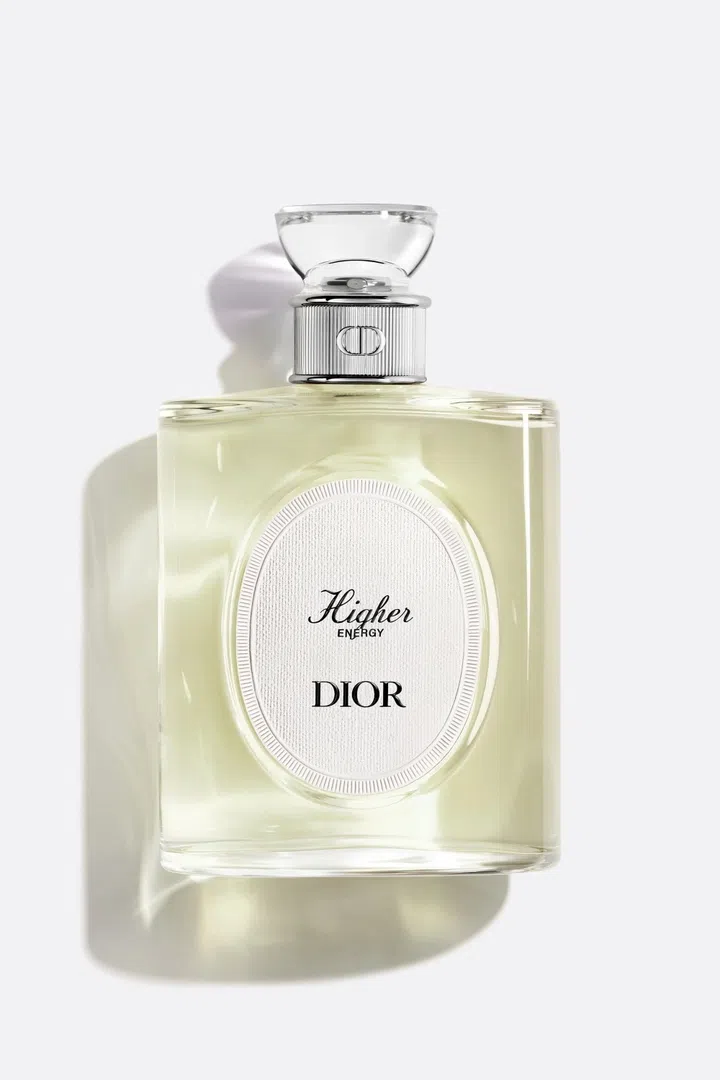
Where Higher feels fresh and aromatic, its successor turns up the volume. Inspired by a neon-lit city at night, Higher Energy plays with a contrast of cold and heat: sharp grapefruit and juniper meet warmer spices such as star anise and cardamom, before settling into vetiver, patchouli and incense.