
ArtScience Museum’s New Exhibition Wants Us To Rethink Our Place In The Natural World
Making its Asian debut in Singapore, More than Human explores how we can build a future that works for more than just ourselves.
It’s easy to think of nature as something that exists outside of us. It’s the greenery we pass on our commute, the parks we escape to on weekends, or the raw materials we use to build the things we need. But what if we’ve been looking at it all wrong?
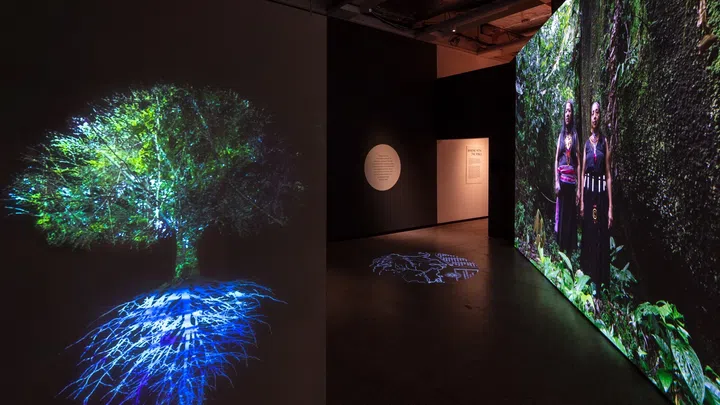
Forest Mind by Ursula Biemann
Opening at ArtScience Museum on November 28, More than Human: Making With the Living World challenges us to reconsider our relationship with the environment. Rather than seeing plants, animals and ecosystems as passive resources, the exhibition invites us to recognise them as collaborators, each with their own forms of intelligence, creativity and ways of shaping the world.
Originally developed by London’s Design Museum and expanded for its Asian debut in Singapore, the exhibition brings together more than 140 artworks, installations and interactive experiences. Across three thematic sections, it explores what the future might look like if we stopped designing solely for ourselves and started creating alongside other living things.
1. Being Landscapes: who does nature really belong to?
The first section invites visitors to look a little closer at the world around them. From tiny organisms beneath our feet to the ecosystems that sustain entire landscapes, it reveals just how much is happening beyond what we can see at first glance.
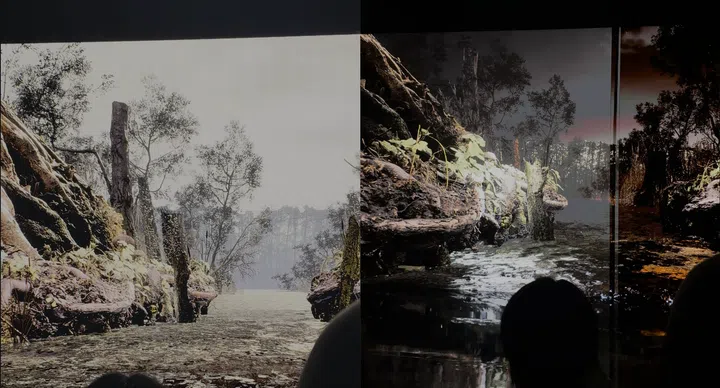
Berl-Berl by Jakob Kudsk Steensen
In Berl-Berl, artist Jakob Kudsk Steensen transports visitors into an immersive digital wetland inspired by the landscape that existed before Berlin became the city we know today. Through sweeping visuals and sound, the installation recreates an ecosystem that is constantly changing, offering a glimpse of the natural world that has lives and histories of its own, even as humans reshape them.
It’s an especially interesting idea to consider in Singapore, where nature and the built environment are constantly intertwined. From greenery climbing up our buildings to carefully planned urban parks, we’ve found plenty of ways to bring nature into city life. But the exhibition encourages us to look beyond the greenery and think about the living ecosystems behind it, and how we can make room for them to thrive.
2. Making With the World: nature was the original architect
Humans have long considered ourselves the great makers of the natural world. But for much of history, making things was also about working alongside the natural world, from communities developing fishing methods around the rhythms of the sea to finding ways to use materials that already existed in their surroundings. In Making With the World, artists revisit that relationship, exploring how we can create with other species and ecosystems rather than simply taking from them.
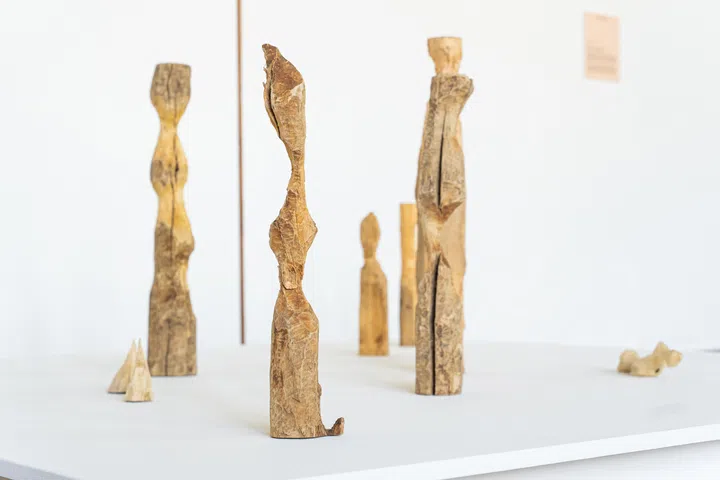
How to Carve a Sculpture by Aki Inomata
One fun example is Aki Inomata’s How to Carve a Sculpture, which features pieces of wood gnawed into shape by beavers. By presenting these naturally carved forms as sculptures, the work raises an unexpectedly thought-provoking question: if an animal can transform a material with intention and skill, why should creativity belong to humans alone?
3. Shifting Perspective: looking at the natural world beyond ourselves
Perhaps the most interesting part of the exhibition is the idea that humans aren’t the only species capable of understanding, responding to and shaping the world collectively. We’re pretty used to seeing the world from our own point of view. But what if we took a moment to consider everyone else sharing it? From pollinators navigating their surroundings to seaweed being given a seat at the table, the works here invite us to think about how other forms of life exist, adapt and interact with the world.
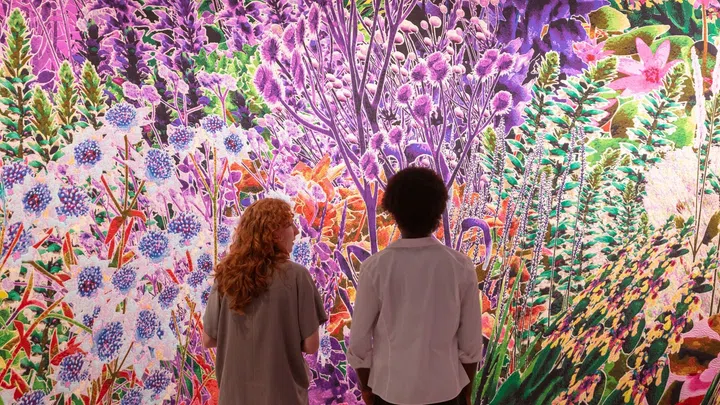
Pollinator Pathmaker: Perceptual Field by Alexandra Daisy Ginsberg
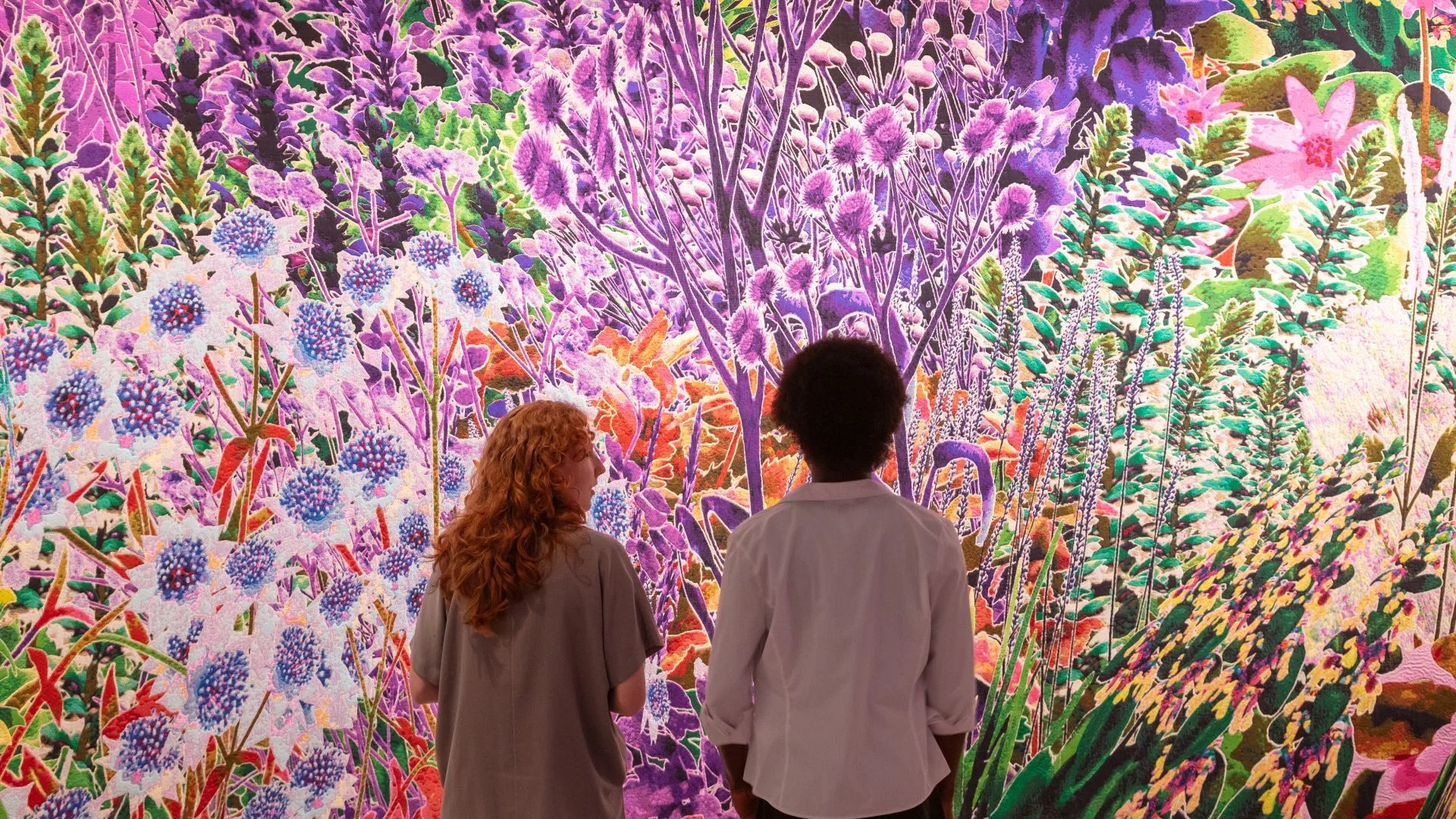
Take Alexandra Daisy Ginsberg’s Pollinator Pathmaker: Perceptual Field, an eight-metre tapestry depicting a garden that’s designed around the needs of pollinating species, rather than human preferences. Instead of asking what makes a garden beautiful to us, the project flips the question: what would a garden look like if bees and other pollinators came first? It’s a small shift in perspective, but one that challenges how we design our surroundings.
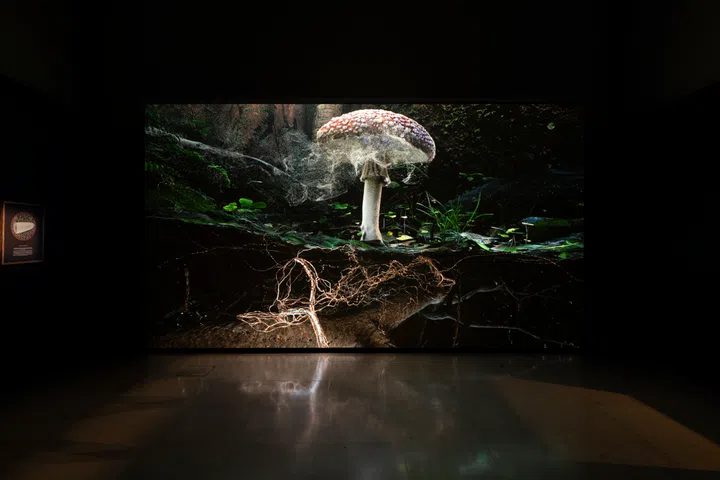
What goes on beneath our feet is far more fascinating than we might think. In Poetics of Soil: Fly Agaric I, Marshmallow Laser Feast shines a light on the hidden underground relationships between fungi, plants and microbes, showing how interconnected life really is.
Other immersive works by artists and collectives including Marshmallow Laser Feast, Ursula Biemann and Zheng Mahler invite visitors to experience ecological systems that are usually hidden from human perception.
After all, we’re made of the same matter as everything else around us. We just happen to look at the world from one particular perspective. Humans are not the only ones here, and we’re certainly not the only ones with something to contribute. Together, these works encourage us to move beyond the idea that we’re separate from the natural world, and recognise that we’re part of a much bigger network of all living things.
Exhibition information
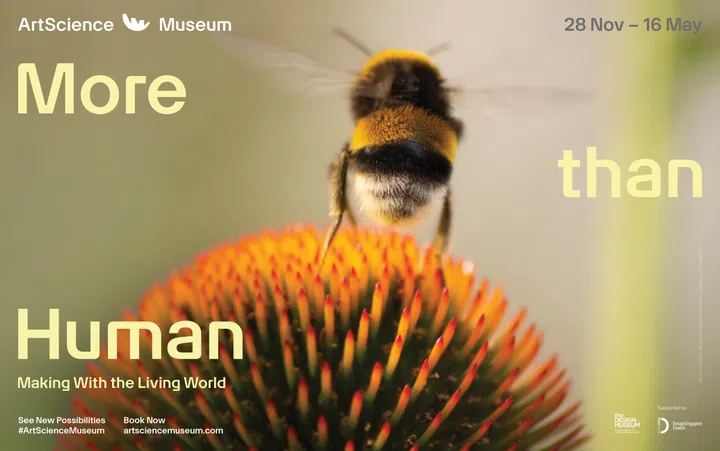
Where: ArtScience Museum, Basement 2 Galleries
When: November 28, 2026 to May 16, 2027
Opening hours: Daily, 9am to 6pm, last entry at 5pm
Admissions:
Singapore residents: adults from $19.50, concessions from $16.50
Tourists: adults from $22, concessions from $18
For more information and tickets, visit the ArtScience Museum website.