
Ash Goh Hua: A Rising Singapore Filmmaker Telling Humanistic Stories
This young filmmaker - who debuted a short film titled Full Month this January at Sundance Film Festival - is a compelling voice in the scene.
In recent years, there's been a noticeable rise in global acclaim for Asian-led films, evidenced in Oscar winners Parasite and Everything Everywhere All At Once, as well as feted dramas like Past Lives and Minari. The movement is likely reflective of a larger cultural shift toward inclusivity, global storytelling, and diverse perspectives in cinema - and the fact that films anchored by minorities have shown their ability to pull in the numbers at the box office.
On a more intimate scale, independent filmmakers are helping to add to this shift too. Take New York-based Singapore director Ash Goh Hua, who has been steadily catching the eye of the international film crowd - she's had write-ups in the New Yorker and is a recipient of this year's Creative Capital Awards (a prestigious grant supporting boundary-pushing artists with funding, mentorship, and career development, often serving as a major career milestone).
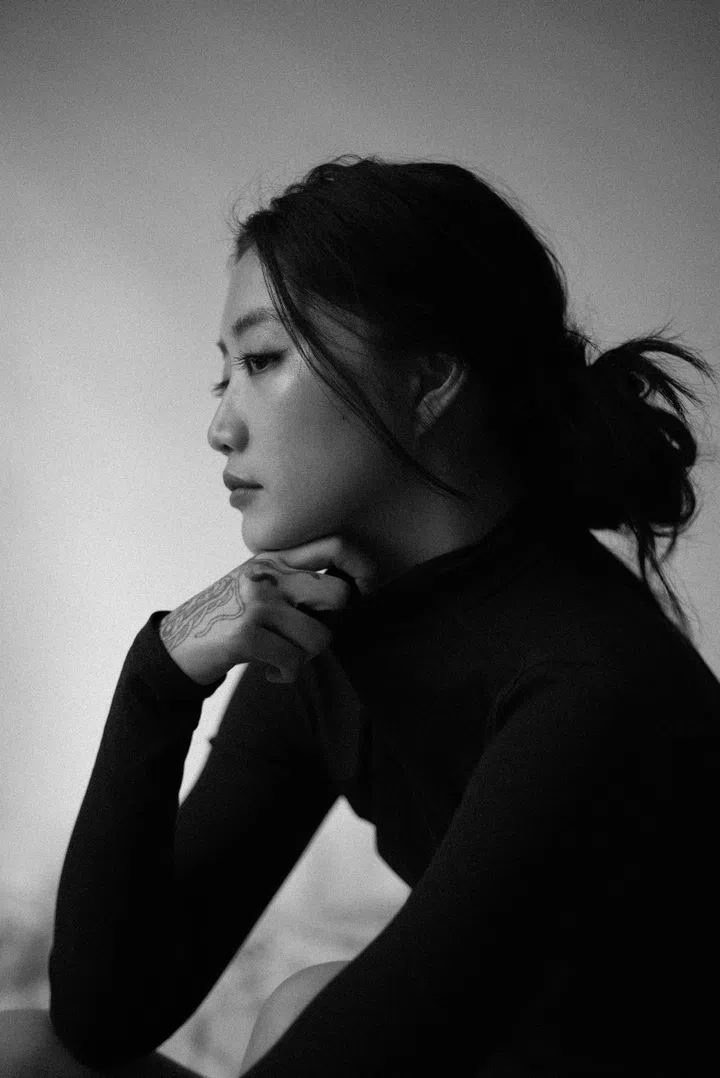
Emerging Singapore filmmaker Ash Goh Hua
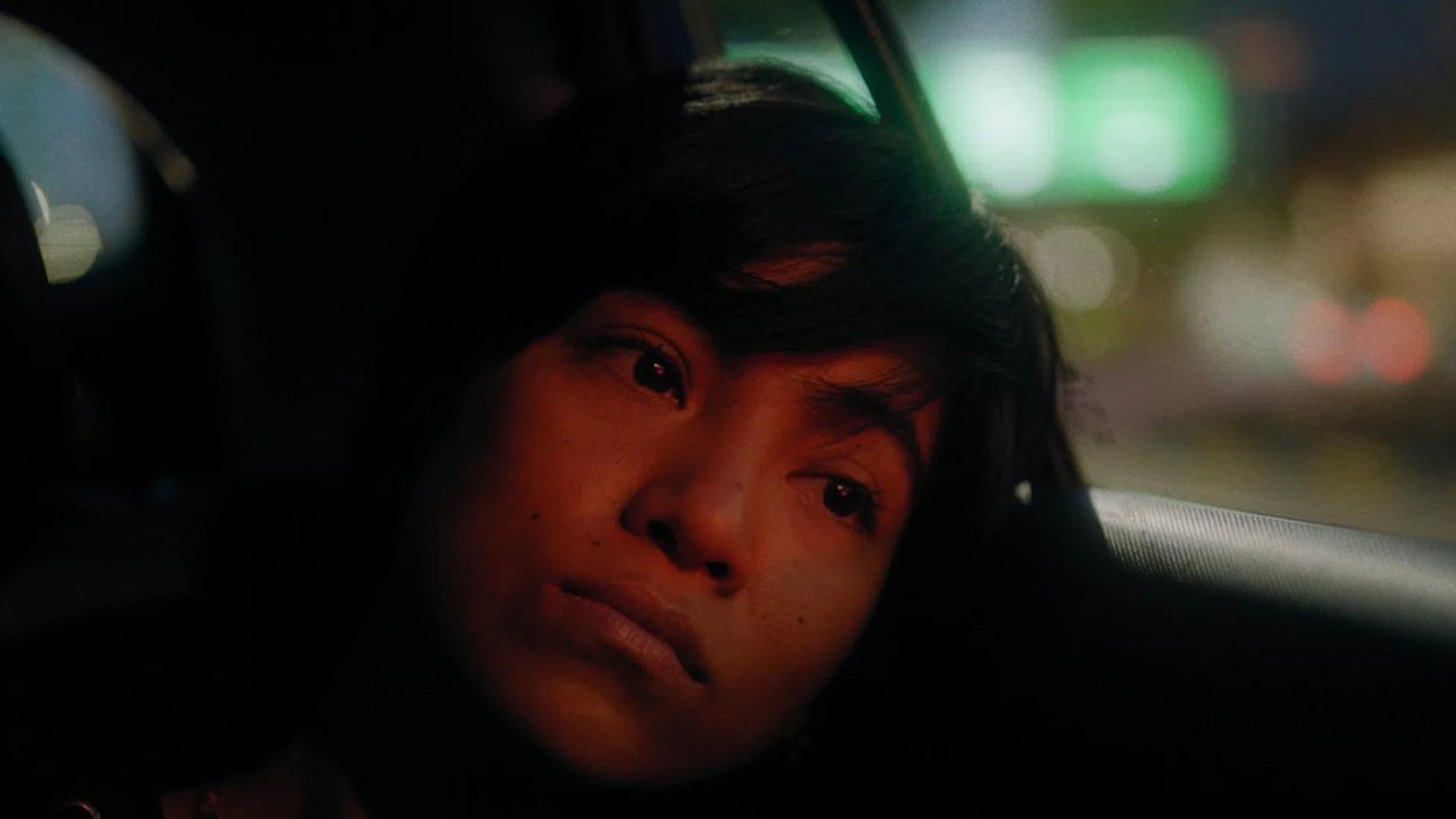
Just last month, the 31-year-old was at Sundance Film Festival to debut her 14-minute semi-autobiographical film Full Month, a poignant story of a young adult Jing (played by Malaysian contemporary dancer and actor Tess Pang) who returns home to Singapore for her niece's full month celebration, and in doing so, is forced to confront uncomfortable family dynamics.
"You know, in the making of Full Month, I was thinking a lot about films like Everything Everywhere All At Once and Turning Red that have popularised the immigrant-parent-apologising genre and in doing so, articulated a collective Asian American desire," says Goh.
"I wanted to extend this into an international understanding, one that rejects the Americanisms inherent in this fantasy. Full Month imagines a deeply Chinese Singaporean attempt at healing—one which will look vastly different compared to dominant (Western) discourse and contains multitudes of culturally specific nuances, one that considers each person as products of their epoch."
Here, Goh shares more on her film and her thoughts on Singapore's film scene:
Hello Ash! Tell us about yourself - what first drew you into the world of film-making?
"It’s funny, I never imagined being a filmmaker growing up. What happened was that I didn’t want to go to university but my parents insisted I did, and I was like, fine, I’ll apply to art school. I ended up in ADM (School Of Art, Design and Media) at NTU (Nanyang Technological University) and it was there that I realised I really vibed with filmmaking. Now I can’t imagine doing anything else."
Your short film Full Month just premiered at Sundance - what provided the spark for it?
"The spark was a dream in which my brother had a baby. In that moment, I immediately left New York and returned to Singapore to be an aunt. In real life, when I left Singapore nearly a decade ago, I thought it was a permanent move. So why, in my dream, was the decision to return home so unequivocal? There was no doubt in my heart—I was going to be an aunt in my family. This short film explores that feeling: a reflection on my life and relationships, driven by a newfound yearning to return home."
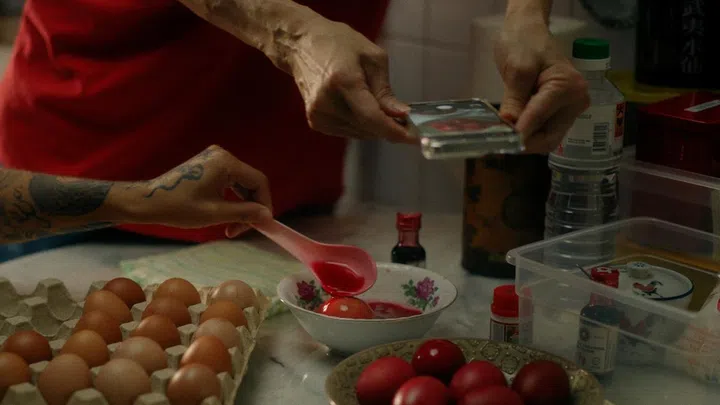
A still from Goh's short film Full Month - here, the lead character's family in the process of dyeing red eggs, which are a big part of the ceremony of celebrating a newborn baby's first month (the catalyst for the return of the lead character to Singapore).
Full Month is all about familial relationships - did you discover anything about your own views on family or tradition while making the film?
"I think it’s easy to see family members only in relation to yourself—your dad as your dad, your mother as your mother. But the truth is, (we tend to forget that) they are their own person beyond that singular relationship. As a scriptwriter, to create fully fleshed-out, complex, and real characters, I had to imagine their world beyond their usual familial roles and my own perception of them. To me, filmmaking is a process-driven medium—its very act is a form of reflexive exploration. I make films to better understand myself and the world around me, and Full Month challenged me to reimagine what family means."
Navigating traditional family politics seems to be a recurring theme in your works - tell us more?
"Family and relationships do run as a theme in my work, though each story explores it in its own way. I’m drawn to this theme because it’s something that can be so specific and yet simultaneously universal; the personal is almost always a microcosmic reflection of larger society, lending us a lens in which to study our worlds and the conditions that bind us."
How did it feel to have the film debut at Sundance?
"Having a world premiere at Sundance felt like the biggest vote of confidence, and I’m incredibly grateful for that. The best part of festivals, regardless of their size, is being inspired by other films and meeting fellow filmmakers. While the pageantry of Sundance can feel overwhelming, I think it’s important to find a balance between navigating the industry and staying grounded in the craft."
What do you hope audiences—both in Singapore and internationally—take away from Full Month?
"I’d love for the film to be screened in Singapore—there’s nothing like a hometown screening! In making Full Month, I thought a lot about films like Everything Everywhere All At Once and Turning Red, which popularised the immigrant-parent-apology genre and captured a collective Asian American experience. I wanted to push this further into a global conversation, moving beyond the Americanised version of this fantasy.
Full Month imagines a deeply Chinese Singaporean approach to healing—one that looks vastly different from dominant Western narratives, filled with culturally specific nuances and shaped by the era each character inhabits. Rather than offering a neatly wrapped resolution, the film focuses on the ongoing efforts of individuals striving to enact ‘family’ and express love in the ways they know how. I don’t have all the answers, but I hope the film conveys a feeling—one that resonates with audiences and sparks reflection."
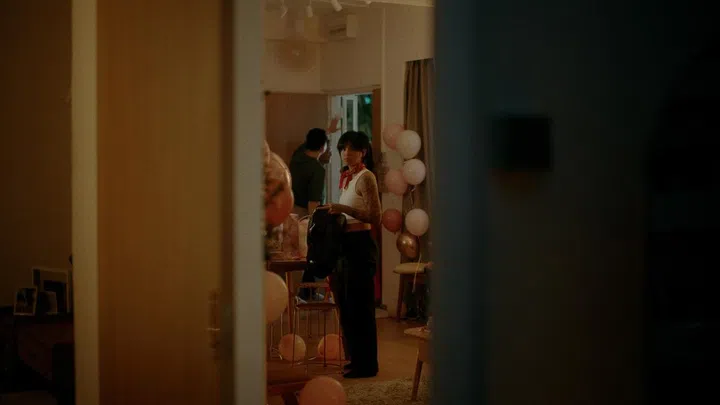
Full Month offers a uniquely Chinese Singaporean take on healing, focusing on the messy, heartfelt ways people navigate family and love.
Singaporean films have been gaining more international recognition in recent years - do you think this is opening up more opportunities for local filmmakers? Are we entering a sort of renaissance of Singaporean filmmaking, like in the 90s?
"I’m not sure I have the authority to declare a renaissance, but I do believe Southeast Asian stories are gaining momentum. I hope this leads to more opportunities for local filmmakers and further establishes Singaporean cinema on the global stage. Our stories deserve to be seen."
How do you feel about the state of independent filmmaking in Singapore right now?
"There are so many incredible Singaporean films making the festival circuit this year! I’m surrounded by a talented filmmaking community, and I’m excited to grow alongside them."
Are there any upcoming projects you’re excited about that you can share?
"Yes! I’m developing my first feature that's based on Full Month. I’m also in pre-production for another short—a teenage coming-of-age story with a mythical twist, set in 2010s Singapore. And the third project on my slate is a documentary about durians."