
At Milan Design Week 2025, Singapore Designers Dissect The Country's Past And Future
The past, present, and future of Singapore's design identity are on show at Milan Design Week 2025 with a special exhibition titled Future Impact 3: DESIGN NATION.
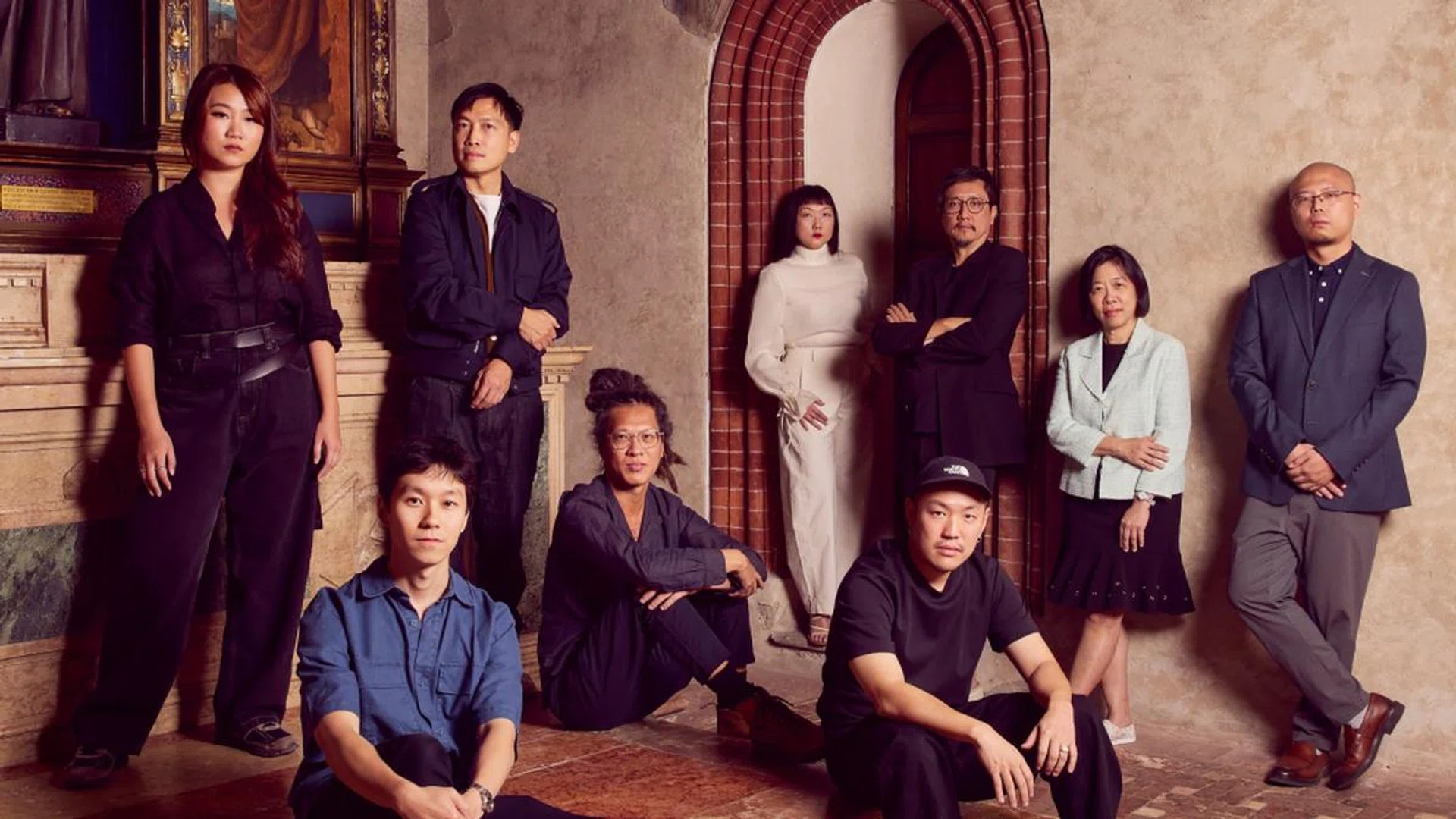
In design world, April means Milan Design Week (MDW) - the largest event of its kind globally - where more than 300,000 insiders all over the world descend on the Italian capital to check the latest and greatest in design trends.
Likewise, Singapore has been steadily ramping up its presence at this landmark event - led by DesignSingapore, the local contingent is returning to Milan Design Week with Future Impact 3: DESIGN NATION, a special exhibition held at Chiesa di San Bernardino alle Monache from April 8 - 13.
This year’s edition, curated by Tony Chambers, Maria Cristina Didero, and feted local designer Hunn Wai of Lanzavecchia + Wai, is a nod to Singapore's 60th anniversary, focusing on the nation’s evolution through design.
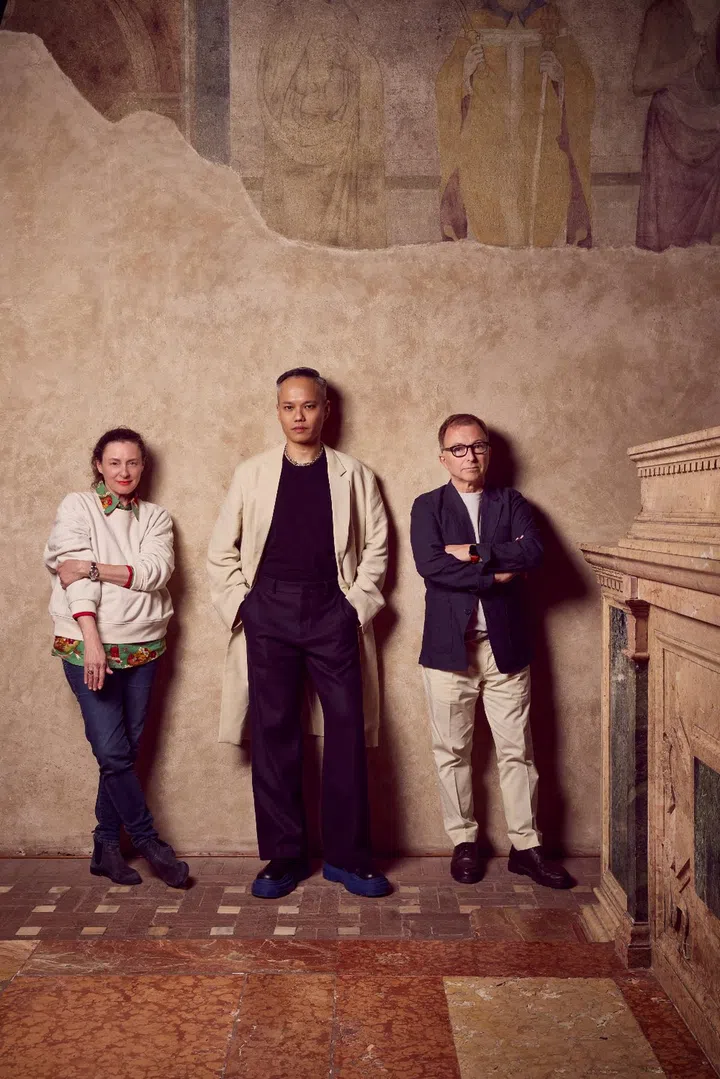
The curators of this year's Singapore exhibition at Milan Design Week, from left: Maria Cristina Didero, Hunn Wai of Lanzavecchia + Wai and Tony Chambers.
The exhibit is split into three parts, featuring works by 14 emerging and established Singapore design stars: Little Island of Brave Ideas, which looks at how design innovations over the decades have played a part of Singapore’s success, as well as a focus on today's leading design names like Claudia Poh of Werable and Olivia Lee addressing sustainability and urban issues. The last segment, Virtuoso Visionaries, focuses on the future, spotlighting emerging designers tackling topics like AI and multiculturalism.
Here, a closer look at some of these works that are on showcase this week at Milan Design Week:
WERABLE
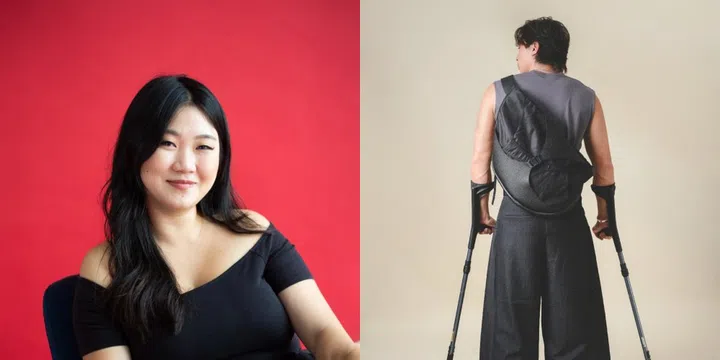
Fashion designer Claudia Poh has been making waves with her adaptive fashion label Werable in recent years and for this showcase, she's created a practical and sleek crossbody bag named the Wishbone (pictured above right). Its modular straps fit securely around the body, while the detachable harness and magnetic buckle can hold up to 30kg, making it both durable and easy to use. The bag’s sliding magnetic buckle and simple compartments allow for one-handed access, and its adjustable straps and design adapt to different movements, offering both stability and comfort.
BEWILDER
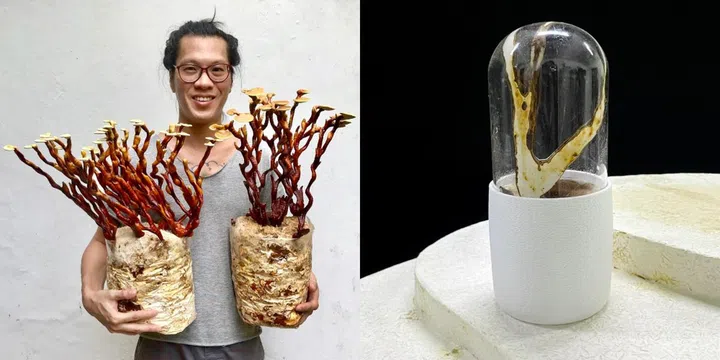
Mycological design studio Bewilder (that's the study of fungi) is debuting Fungariums In Space (pictured above right), which is all about making it easy to grow medicinal mushrooms like Ganoderma Reishi (Lingzhi) right at home. The sleek, stainless steel Fungariums are designed to be modern yet functional, bridging ancient wellness practices with today’s design and tech. The idea is to make these traditionally hard-to-grow mushrooms accessible for anyone looking to boost their health in a sustainable way.
OLIVIA LEE
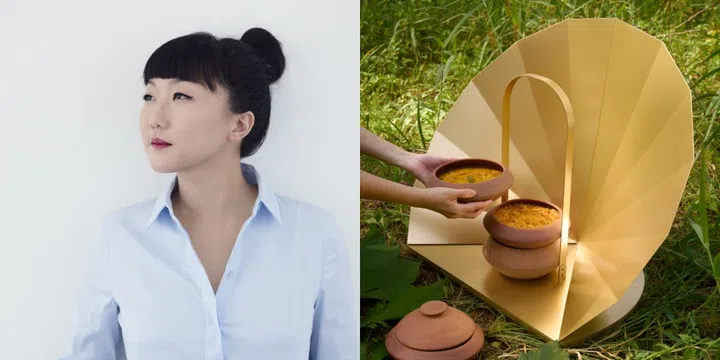
A regular face at Milan Design Week, multidisciplinary designer Lee has always been about merging the old with the new, and Matahari, a solar cooker that blends Southeast Asian cooking traditions with modern design (pictured above right), is her latest statement on sustainability and the future of energy.
Made from terracotta and metal deflectors, Matahari is not just a practical cooking tool but a piece of art that invites us to think about our relationship with the Sun. Inspired by the endless energy of the celestial body, Matahari highlights solar power’s potential, especially in places like Singapore, where the Sun’s rays are abundant.
WEI XIANG
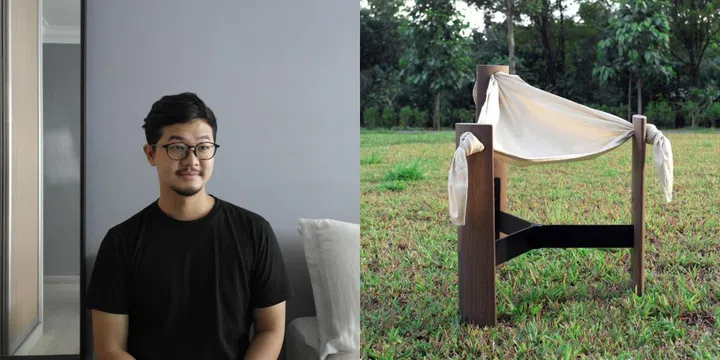
The Knots Stool by Wei Xiang is a simple and ingenious way to upcycle old textiles into functional furniture—no sewing or fancy skills needed. Think blankets or curtain offcuts, tied into knots and hung on a lightweight frame to create something totally practical and personal. It’s an easy, creative take on sustainability, proving that making small changes can have a big impact. Wei Xiang, a designer with a knack for mixing materials and storytelling, brings his own twist to the idea of sustainability, all while reflecting Singapore’s constantly changing identity in his work.
TAPESTREE
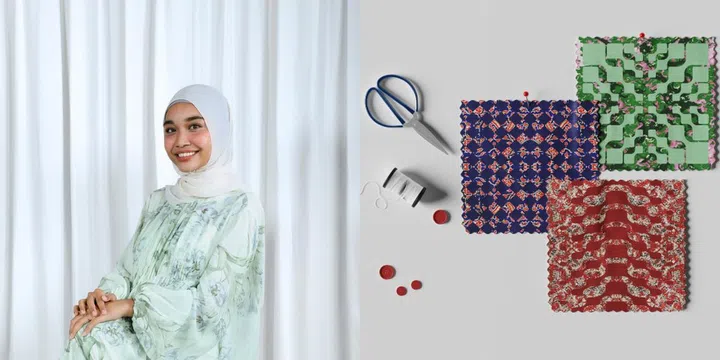
Tapestree, created by fresh industrial design graduate Nazurah Rohayat, is all about reimagining heritage as something alive and constantly evolving. By blending AI-generated patterns with traditional craftsmanship, it fuses the past and future, reflecting Singapore’s multicultural identity in a fresh, inclusive way. Nazurah doesn’t see heritage as something static; instead, she celebrates it as a dynamic force shaped by generations of exchange and reinvention. Her designs, which have been featured at major events like the National Day Parade and ASEAN Day, show how technology can bring cultural stories into the modern world, making them relevant and accessible for future generations.
EIAN SIEW
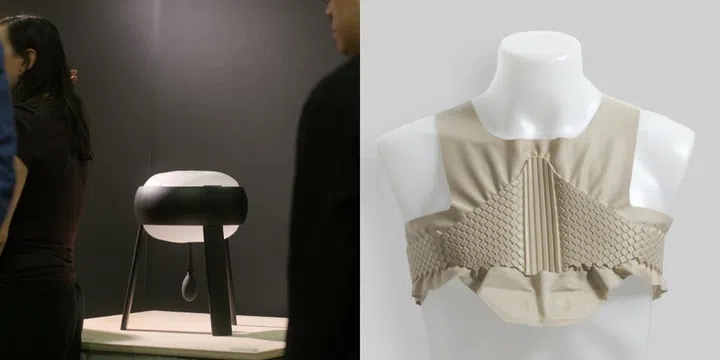
Emerging designer Eian Siew is showcasing two innovative products that use air’s invisible properties to push the boundaries of material experimentation. (Air)ssembly (left) is a piece of furniture with an inflatable bladder that not only serves as a seat but also stabilises the entire structure, replacing traditional assembly methods like screws and glue with air pressure. In a world where sustainable design is crucial, this concept challenges the norm and raises questions about the future of eco-friendly, functional materials.
The second design, Auxobrace (right), is a rehabilitation device for people undergoing heart surgery recovery, using vacuum technology and soft robotics to apply dynamic pressure and stabilise the sternum, reducing the risk of infection.
CJ TAN
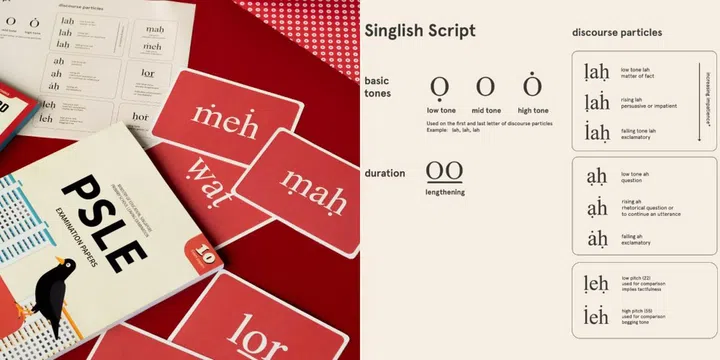
Singlish has long been vilified as "improper" but designer CJ Tan is seeking to change that narrative. Her project, Standard Singlish takes Singapore’s laid-back vernacular and turns it into an actual visual language, giving words like "lah" and "leh" a formal touch. It imagines a future where Singlish is recognised not just as a spoken dialect but as a legitimate system, questioning what really makes a language “proper.” By giving Singlish a fresh spin, Tan looks at how design can shape culture, start conversations, and change the way we communicate in a multicultural world.