
Meet Sylvia Earle: The Record-Breaking Diver & Oceanographer Protecting The Oceans
The American oceanographer’s journey to becoming the legend she is today.
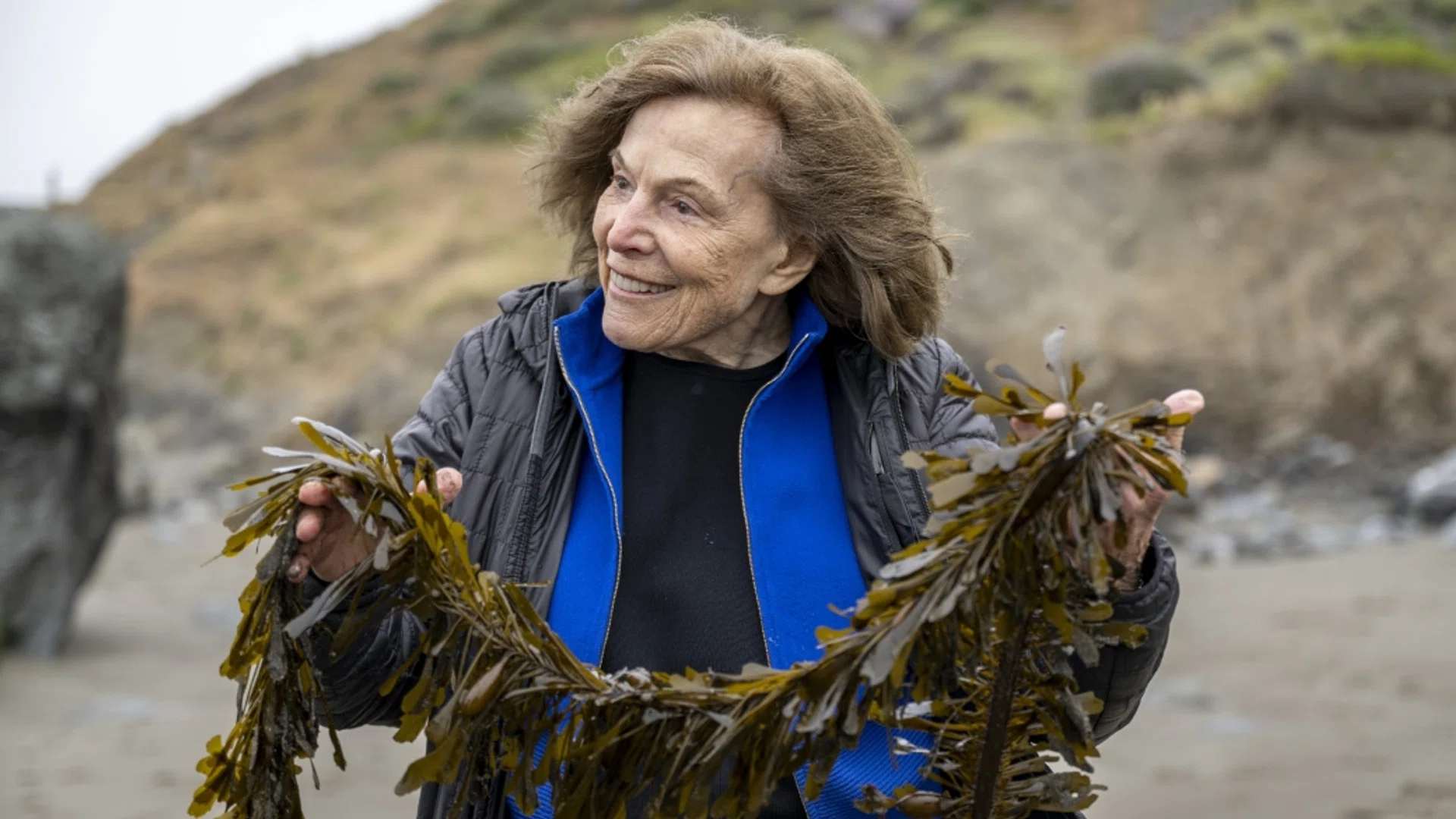
For almost a century, Rolex has been backing explorers who push boundaries. Over time, the company has moved from championing exploration for the sake of discovery to protecting the planet. Through its Perpetual Planet Initiative, Rolex supports people and organisations working to build a better future for all life on Earth. Launched in 2019, the Initiative focuses on three main areas: oceans, landscapes, and science, health and technology. One of its most iconic partners? Sylvia Earle, the world‑renowned marine biologist, explorer and author who has been a Rolex Testimonee since 1982.
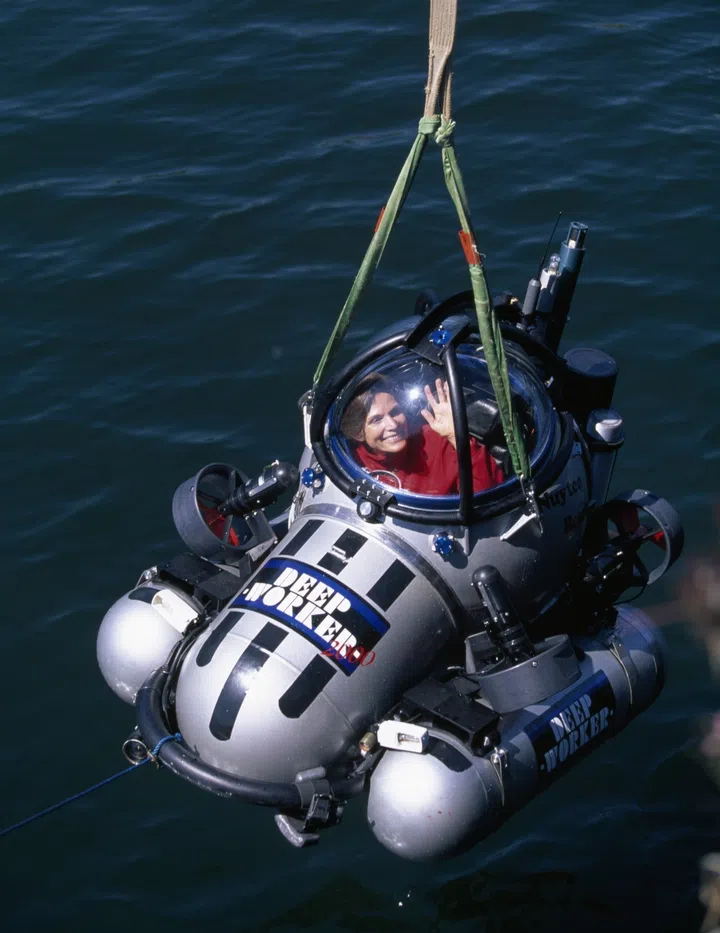
Oceanographer Sylvia Earle, a Rolex Testimonee since 1982, pictured inside a DeepWorker submersible off the coast of Vancouver, Canada, as it emerges from the water. Earle believes that we can all come together to help reverse the damage already done to the marine world and safeguard it for future generations.
Few have done more for the ocean than the American oceanographer. She has led more than 100 expeditions, spent thousands of hours underwater, and set a world record in 1979 for the deepest solo untethered dive (an impressive 381 metres) that’s still unbeaten today. Her journey started during childhood with observing fish and tadpoles in New Jersey, where she was born, and skyrocketed after she earned her PhD from Duke University.
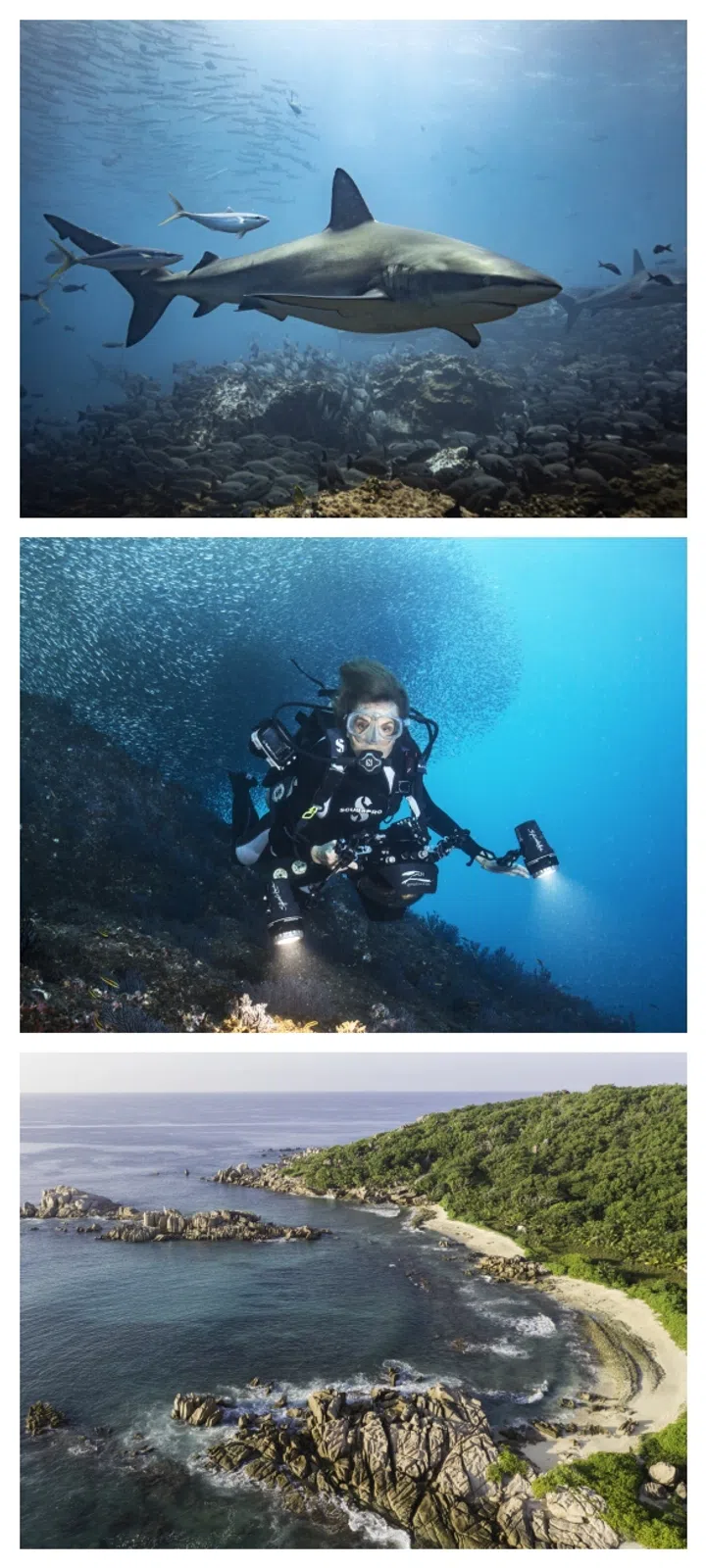
From top to bottom, shots of just some of Earle’s many missions and adventures: Galapagos sharks swimming off the coast of Colombia’s Malpelo Island, a designated Hope Spot by Mission Blue, the global initiative founded by Rolex Testimonee Sylvia Earle and supported by Rolex through its Perpetual Planet Initiative; Earle – a pioneering oceanographer who has spent more than 7,500 hours underwater, led more than 100 expeditions and discovered thousands of new marine species – on a diving expedition in Cabo Pulmo, Mexico, in 2017; Pointe Canon on La Digue Island in the Seychelles, one of the locations Earle visited in 2020 while filming the National Geographic documentary Perpetual Planet: Heroes of the Oceans, which shines a light on fragile ecosystems across the globe.
In 1970, she led a two‑week underwater mission as part of the Tektite II research project, living aboard an underwater laboratory about 15 metres below the surface in the US Virgin Islands. That experience cemented her mission to protect the planet’s “blue heart” – our oceans. She has also discovered new marine species, served as the first female chief scientist of the US National Oceanic and Atmospheric Administration, and received more than 100 honours and awards, ranging from TIME magazine’s Hero for the Planet – she was its first honouree – to the National Geographic Society’s prestigious Hubbard Medal. In short, Sylvia Earle is a living legend.
In 2009, Earle launched Mission Blue, creating Hope Spots – key marine areas that are critical to the health of the ocean and need protection. With Rolex’s support, the network of Hope Spots has grown from the initial 50 to more than 160 today, covering biodiversity hotspots such as the Galapagos Islands and the Azores Archipelago. Rolex’s Perpetual Planet Initiative also backs Mission Blue’s Champions, who are local leaders helping communities care for their oceans and keeping conservation grounded in real‑world impact – just like how Earle has always envisioned.
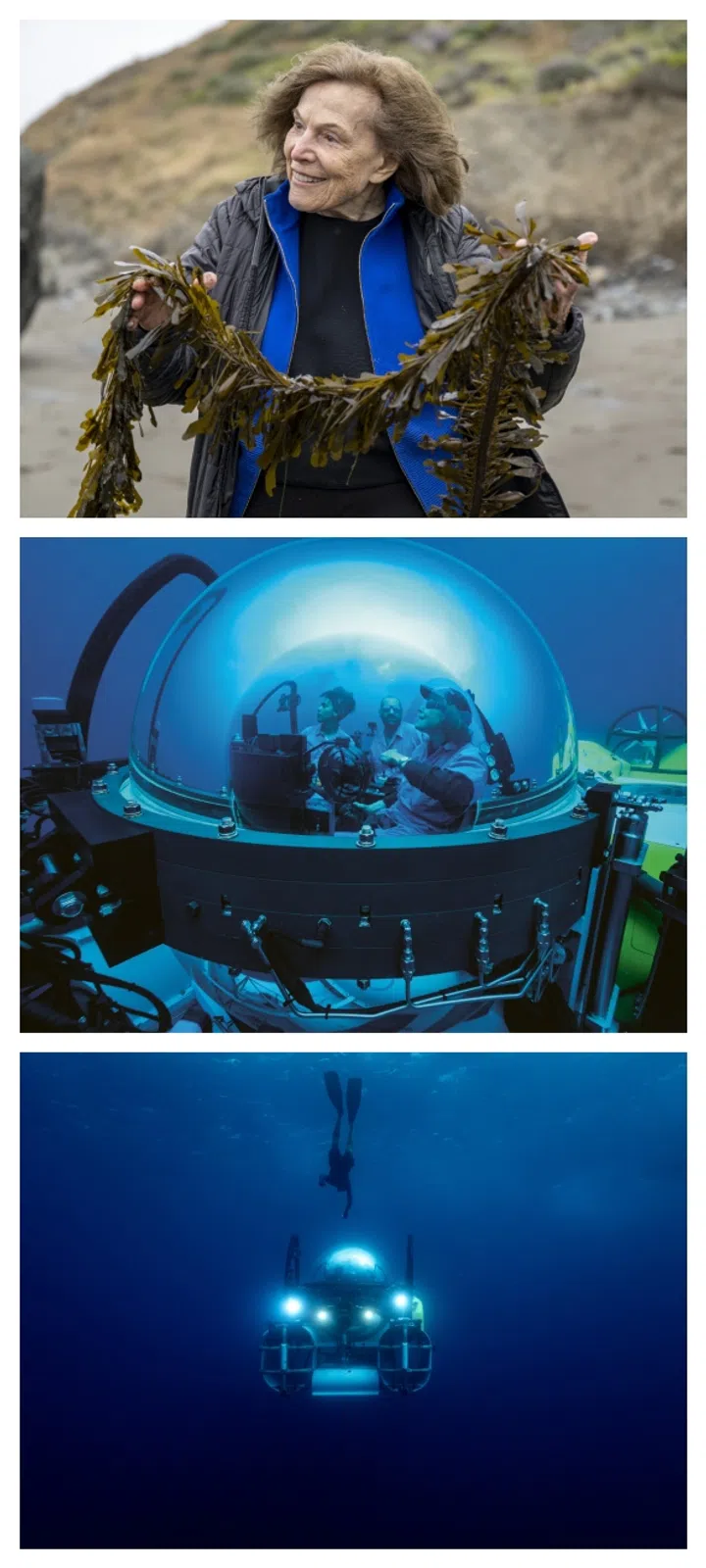
From top to bottom: Earle, whose career in marine exploration and conservation spans more than seven decades, carrying seaweed on Muir Beach in California; Earle (pictured far right) and Salome Buglass (pictured far left), marine scientist at the Charles Darwin Foundation, descending in a deep‑sea submersible in search of deep sea kelp that may be new to science during the Mission Blue Galapagos expedition in 2022; and Earle leaving a submersible on an exploratory dive in the twilight zone a couple of miles off Wolf Island during the Mission Blue Galapagos expedition in 2022
Even at age 90, Earle isn’t slowing down. An active lecturer and speaker, she continues to inspire future ocean stewards and reminds us why protecting marine ecosystems is urgent. At present, only about 8 per cent of the world’s oceans are protected, but thanks to advocacy from dedicated voices such as Earle’s, more than 100 countries have pledged to safeguard at least 30 per cent by 2030. In her words: “We need to treat the ocean and the rest of our living planet like our lives depend on them – because they do.”
This article first appeared in Volume 5 of F ZINE.
TEXT & COORDINATION KENG YANG SHUEN