
Vertical Micro-Dramas Are Trending On Social Media — What Are They, And What Goes Into Producing Them?
We hear from a Singapore director and actress on what it’s like filming, producing and directing these micro-dramas, and what they might mean for the future of entertainment.
A new social media phenomenon has surfaced: two-minute long videos that feature a cast of actors sporting exaggerated facial expressions, cheesy yet evocative dialogue, and a cliched but addictive plot, that always ends on a nail-biting cliffhanger with each episode.
They’re called vertical micro-dramas, and you’ve probably seen at least one of them on your feed. Love them or hate them, they’re growing into a multi-billion-dollar industry, projected to earn US$26 billion in annual revenues by 2030 (for reference, the global box office earned around US$33 billion in 2025), and it’s already made its way into Singapore’s local entertainment industry.
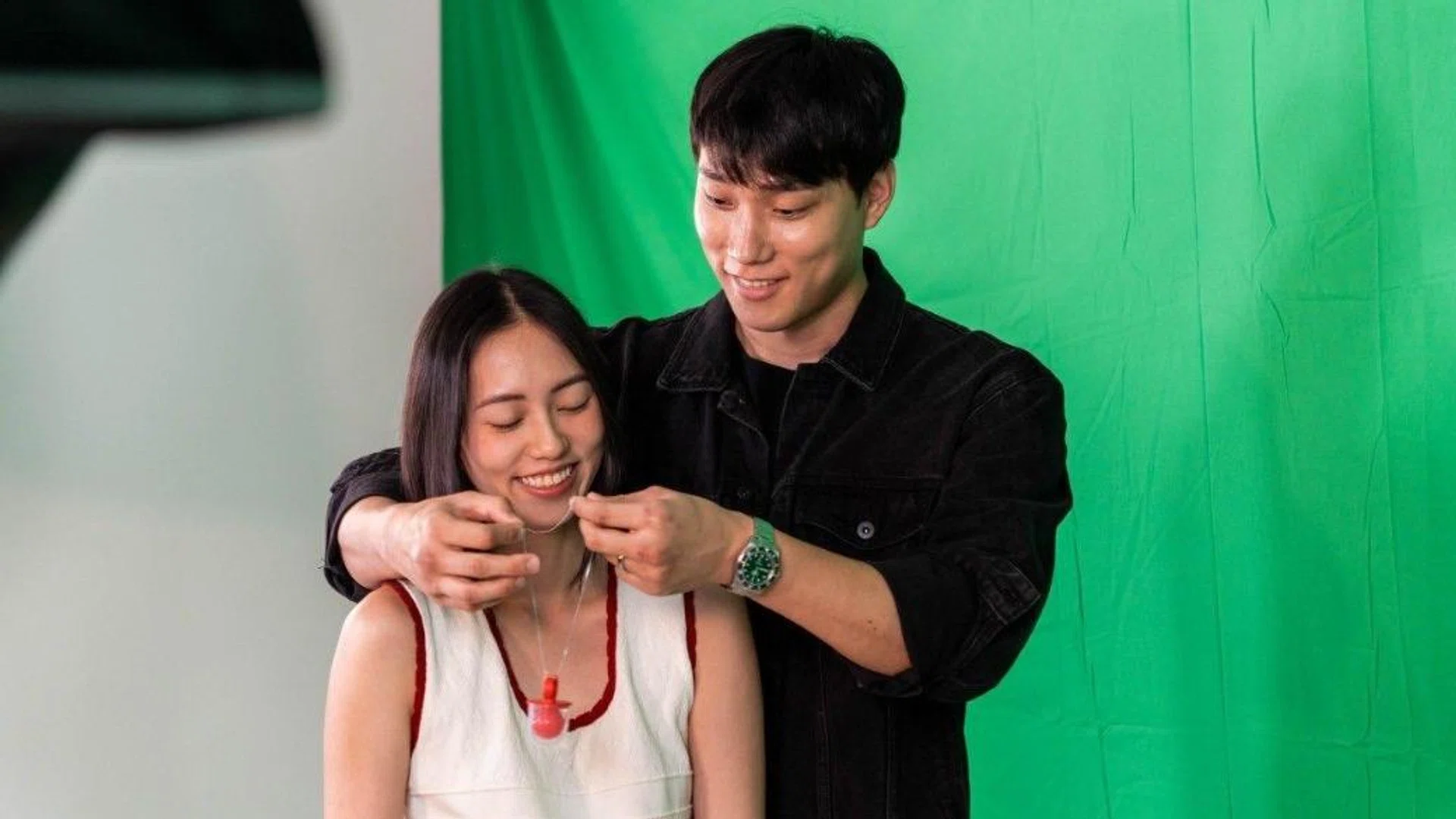
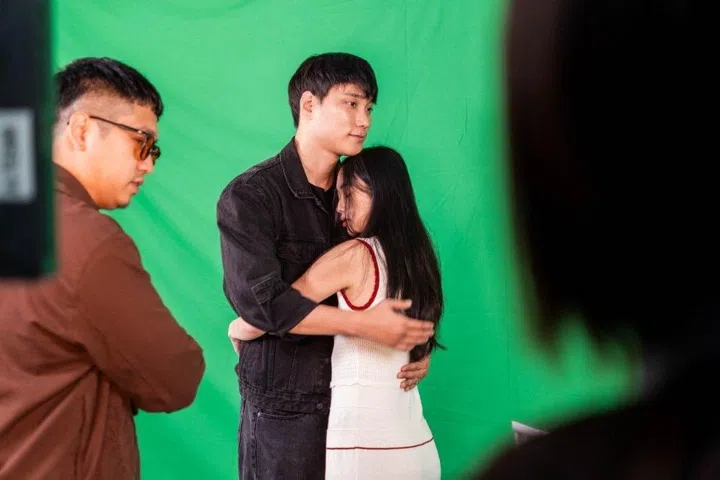
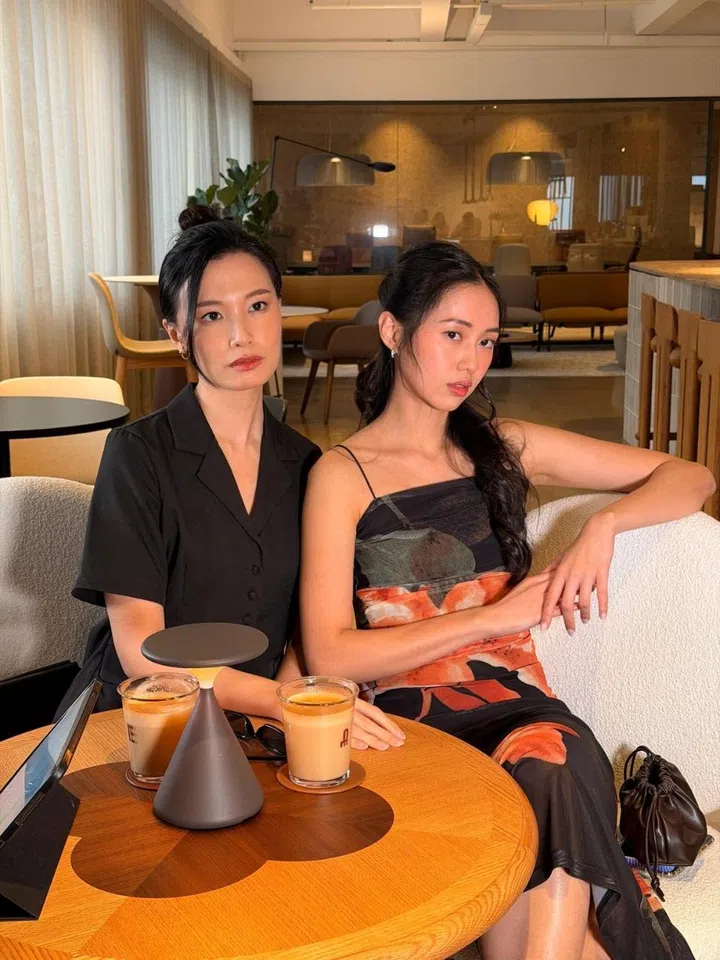
Here’s one Singapore-made vertical micro-drama: One Year Love, featuring Singapore actress Nicole Lee (left), and South Korean reality star, Park Min-Kyu (right).
What are vertical micro-dramas?
The name might give you a clue: They’re drama series that are filmed vertically and formatted for mobile screens in a 9:16 ratio, instead of horizontally like conventional shows. Other than the physical shrinking from the big screen to our phone screens, they’re also ‘micro’ in the sense that they distill storylines to only their major climaxes. There’s no build-up or exposition, they just jump right into the action.
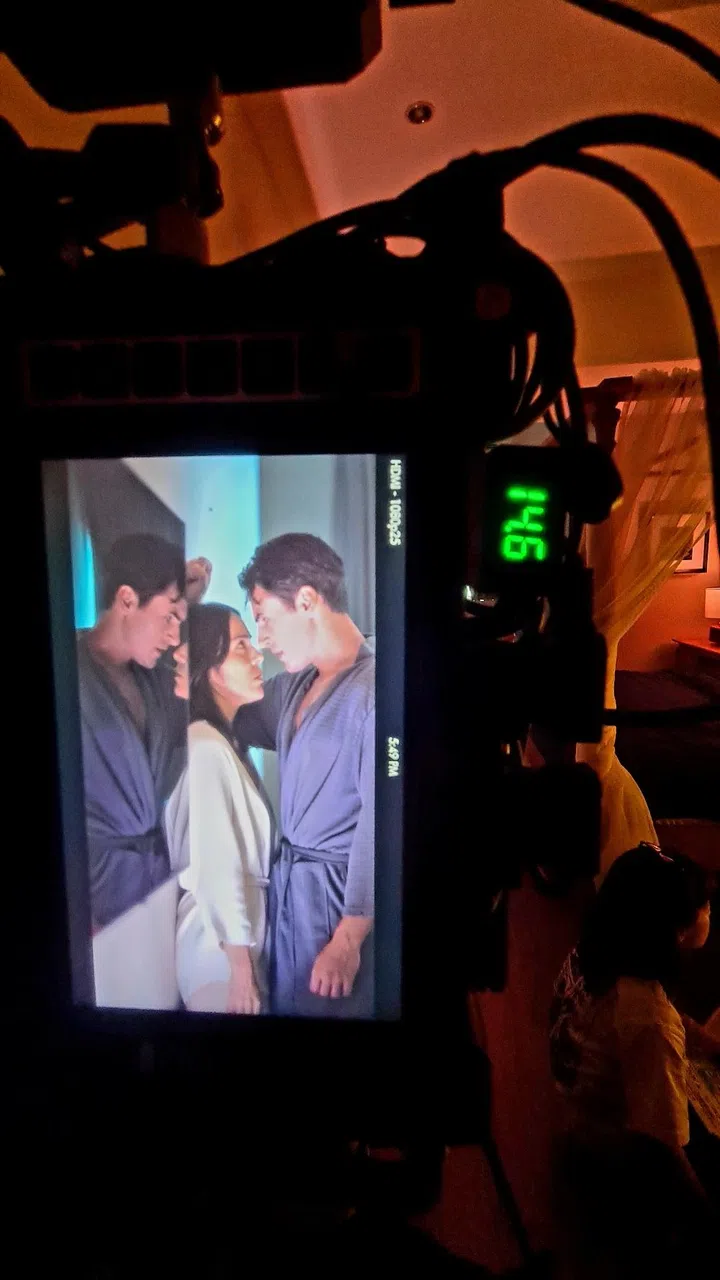
“They’re designed to be consumed exactly the way that Gen Z and social media audiences watch content: on the phone, on-the-go, one episode bleeding immediately into the next,” says Singapore director, 31-year-old Sabrina Poon, “What makes them distinct isn’t just the format, it’s the storytelling grammar.
Every episode ends on a cliffhanger. There’s no slow build, no scene-setting luxury. You’re dropped straight into the action, and you have roughly two minutes to hook the viewer hard enough that they’ll tap into the next episode. It’s a format built entirely around keeping people watching, which sounds simple until you actually try to write and direct one.”
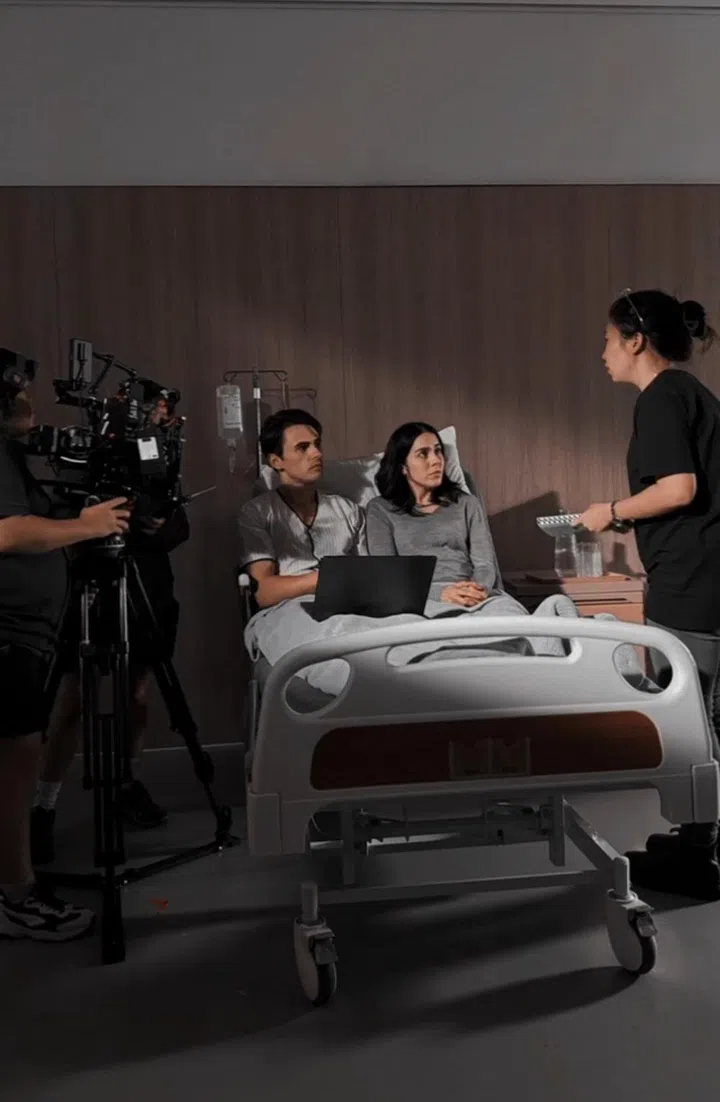
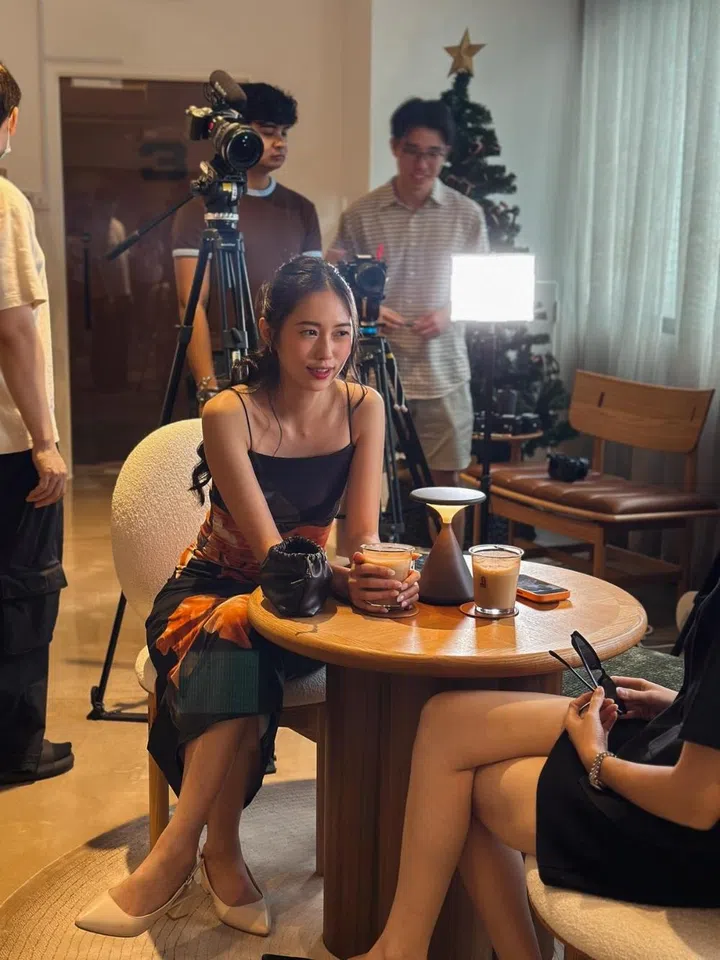
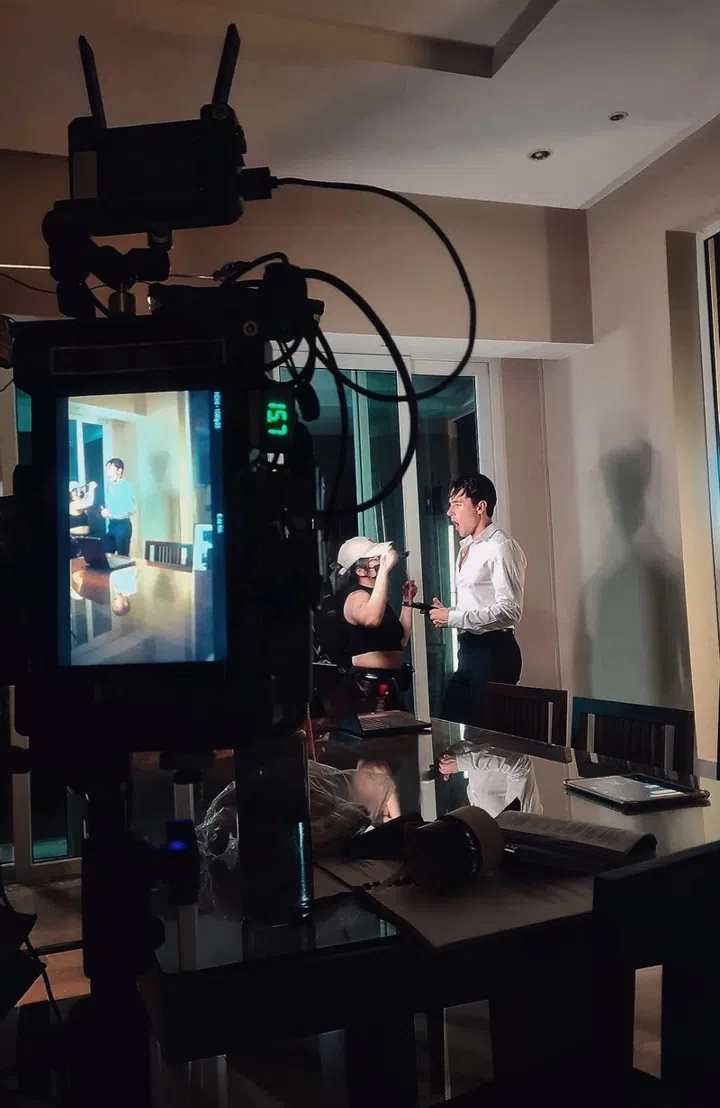
A behind-the-scenes look at Poon’s 2024 vertical micro-drama project, The Billionaire CEO’s Runaway Wife.
Poon is a Singapore-based director and executive producer with a decade-long career in directing and producing. She got her start in narrative short films before transitioning into commissioned film works, livestream gameshow formats and eventually, vertical micro-dramas.
In fact, she directed one of Singapore’s first vertical micro-dramas in 2024, The Billionaire CEO’s Runaway Wife. It has 90 episodes (each around two minutes long), was directed by Poon, and was filmed and produced in Singapore. “I think what defines my career more than any single project is a tenacity to explore formats that haven’t been tried in this region yet, and a willingness to be the first to figure them out,” Poon says, on her career trajectory.
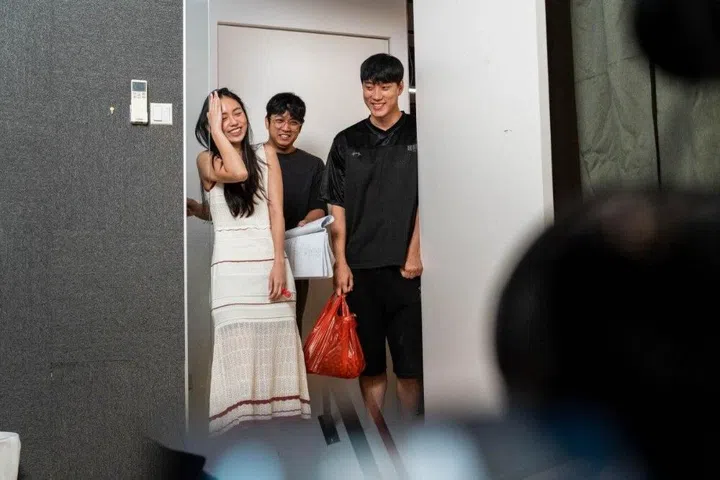
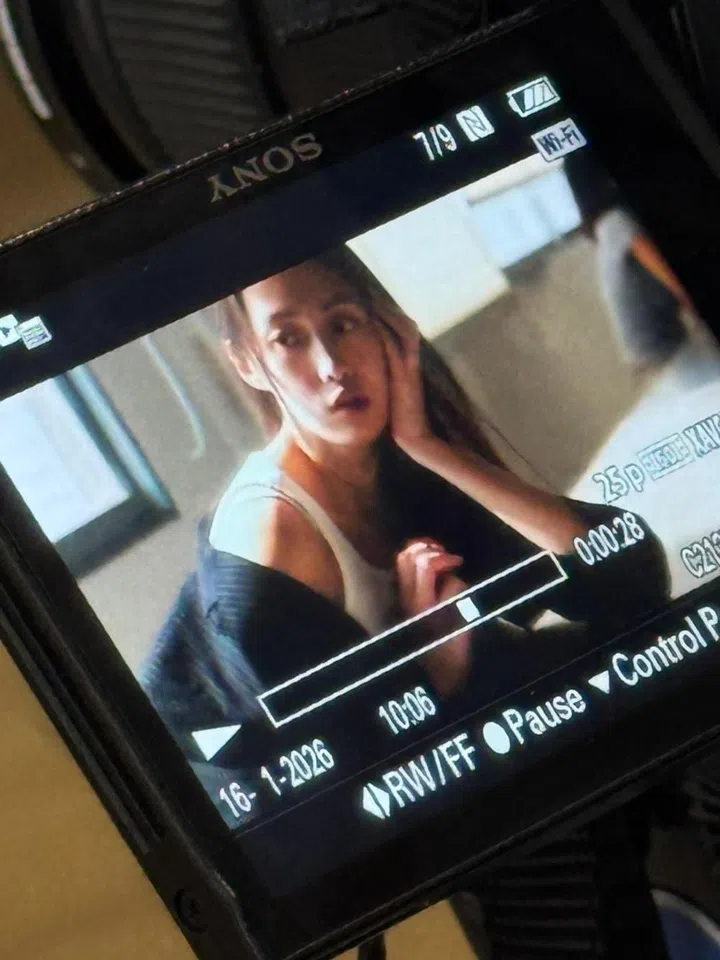
Lee on set for One Year Love.
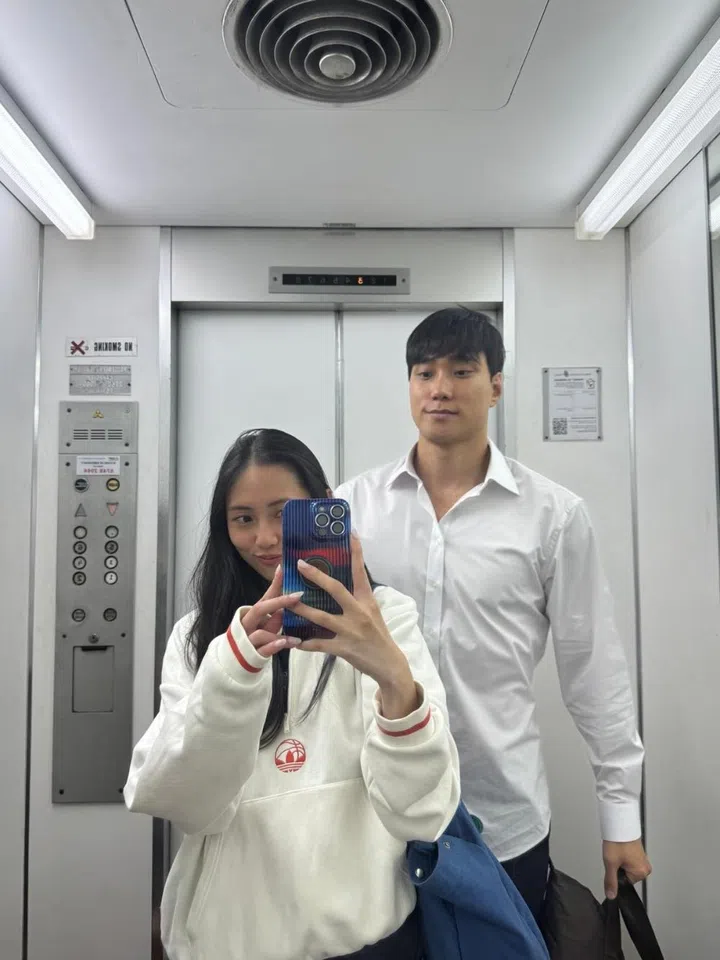
“Think 60 short episodes of pure, fast-paced, slightly indulgent entertainment,” 27-year-old Singapore actress Nicole Lee explains. She’s probably best known for her role as Vanessa Ooi in the film Amoeba, directed by Los Angeles-based Singaporean director, Tan Siyou. Her most recent project? A vertical micro-drama titled One Year Love, in which she starred alongside Singles’ Inferno star, Park Min-Kyu.
These Singapore creatives weigh in on the rise of vertical micro-dramas, what it could mean for the entertainment industry, and even pulls back the curtain on what it’s like working on these addictive, bite-sized dramas.
First things first: how did you get into this industry of vertical micro-dramas?
Nicole Lee (NL): “Honestly, by following where the industry was heading. With audiences spending more time on digital platforms, storytelling naturally evolved to meet them there. I started noticing more opportunities, more funding, more roles emerging in the micro-drama space, and it felt like the right moment to step in and explore it.”
Sabrina Poon (SP): “I first encountered vertical dramas long before I directed one. Back in 2019, I was invited to the China International New Media Short Film Festival (CSFF), where my short film Pa had been selected. And while I was there, I witnessed firsthand how vertical content was completely reshaping the way Chinese audiences were consuming new media. It struck a chord in me.
“Fast forward to 2024, I was approached by an overseas platform looking for a professional production team to lead Singapore’s first vertical micro-drama. They wanted the credibility and craft of an experienced local team to bring this format to a market where it was still largely untested. At the time, vertical micro-dramas were generating serious buzz in the US, Canada, and China, but Southeast Asia hadn’t really seen a professionally produced homegrown version yet. When they reached out, I said yes — partly because of what I’d witnessed in China back in 2019, and partly because being first to try something uncharted in this region is kind of my thing. It felt like the right moment and the right project.”
How do micro-dramas differ from more ‘traditional’ ways of directing?
SP: “The honest answer is: it requires you to throw out almost everything you know about traditional cinematic filmmaking, and that is both terrifying and emancipating. I came from a background of film studies and professional communications. And as a narrative director, I have my workflow. You build a scene, you establish atmosphere, you let a character breathe. In a micro-drama, you have 120 seconds per episode, and every single one has to end on a cliffhanger that makes the viewer physically unable to stop watching. There’s no room for setup. You’re dropped into the middle of the story, and you have to find a way to create tension, character, and momentum in a format that strips away most of the tools you’d normally reach for.”
Nicole, you’ve done a handful of vertical micro-dramas now (One Year Love and No Labels). Any surprising lessons you’ve learnt as an actress?
NL: “I’d describe micro-dramas as a kind of guilty pleasure — they can be a little cliched, a bit over-the-top, but that’s also what makes them so fun. For One Year Love, I got to lean into the fantasy of having a “Korean oppa”, Single’s Inferno’s Park Min-Kyu. As an actress, it pushed me to embrace vulnerability in a different way — to be okay with moments that might feel “cringe,” to take myself less seriously, and just enjoy the ride. In that sense, it’s surprisingly freeing.”
Sabrina, as a director with a decade-long career in the game, what was a challenge you encountered while filming a vertical micro-drama?
SP: “The production timeline is brutal. Episodes are short, but you’re making a lot of them, and the pace is relentless. Budget is always tight. You’re also constantly making judgment calls about what audiences will engage with in a format that’s so new in this market that there’s almost no local reference point to benchmark against. When we made Singapore’s first vertical micro-drama, we were genuinely figuring it out as we went.”
Any surprising lessons?
SP: “It would be how much of good storytelling survives the format, and how much doesn’t. The fundamentals of character and stakes and wanting the audience to care? Those translate completely. The idea that you need time and space to earn emotional resonance? That one gets completely upended. You learn very quickly that if you haven’t grabbed the viewer in the first fifteen seconds of an episode, you’ve lost them. That recalibration was genuinely humbling.”
In your opinion, what is it about vertical micro-dramas that appeal to viewers?
NL: “Accessibility is a big part of it. These stories live on platforms people already use daily, and the narratives are easy to engage with. They often tap into fantasy and wish fulfilment — whether it’s falling for a rich CEO or getting the ultimate revenge. It’s escapism, delivered quickly and directly. And in this day and age, life is hard enough already, entertainment is where we all escape to.”
SP: "The cliffhanger structure is psychologically compelling in a way that’s almost unfair. You finish an episode and your brain simply doesn’t want to stop. It’s designed to feel unresolved, and resolution is something humans are hardwired to seek. The format essentially gamifies storytelling — and if I may, Gen Z, who grew up on games and short-form content, is particularly primed to respond to it.
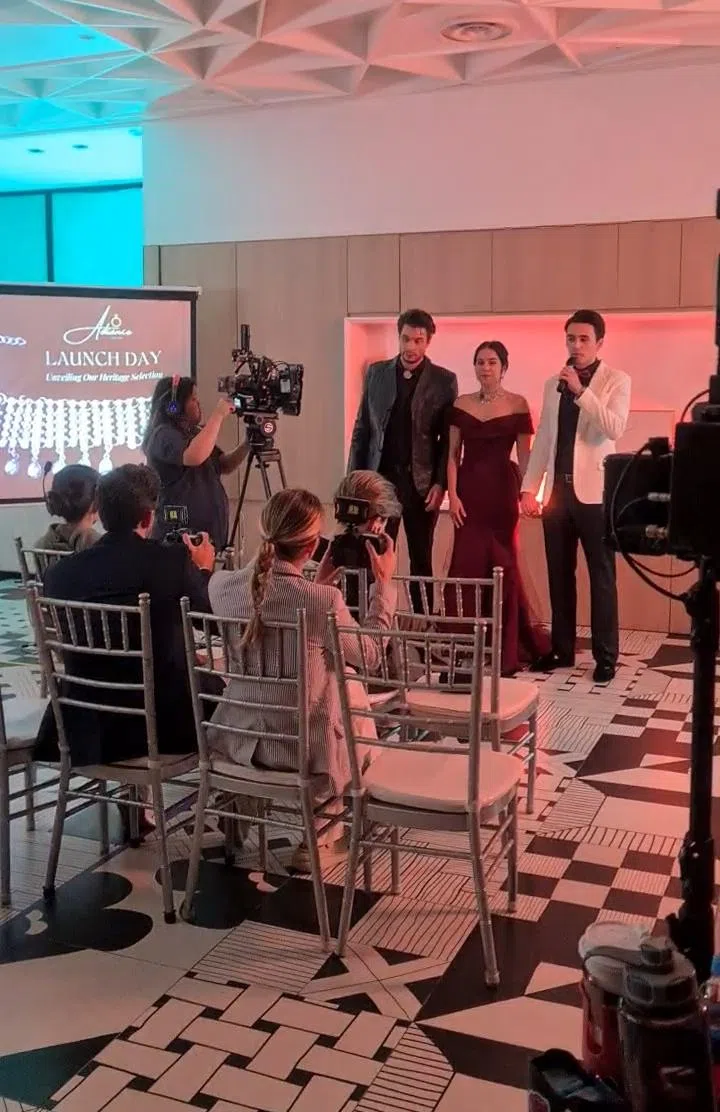
But I want to share what I find really interesting, and also what I think signals where this format is headed next. It is the emergence of platforms like Watch Club (a micro-drama streaming platform). For those still getting their bearings in this space, Watch Club is worth paying attention to. The really forward-thinking part is what they’ve built around the content: a native social network embedded directly into the platform, so viewers can react, discuss, and form communities around each show without ever leaving the app.
What Watch Club is attempting is what I’d consider, iconic and pivotal. The direction they’re pointing to, such as elevated storytelling, transmedia characters with real social media profiles that post in-character as episodes drop, fandom built into the product by design — that’s the evolution I’m watching closely. That’s the version of micro-drama that I think could genuinely compete with traditional streaming, not just exist alongside it.”
What do you think the rise of micro-dramas means for the entertainment and creative industry?
NL: “This might be a slightly controversial take, but I see micro-dramas as making filmmaking more accessible. You don’t need a massive budget or a broadcaster’s approval to tell a story anymore. If you have an idea, there are platforms where it can be seen. And it’s not about choosing one over the other. We can have both fast, fun micro-dramas and deeply crafted arthouse films. As an actress and writer, I find value in both.”
SP: “I think micro-dramas are a genuine signal of where storytelling is heading, not a gimmick, and clearly not a trend that will disappear. They’re the entertainment industry catching up to how people actually consume content back in 2019, now and beyond: on mobile, in fragments, with complete control over when they stop and start.
For the creative industry, this is both exciting and challenging. It opens up the playing field. Indeed, micro-dramas are relatively lower-cost to produce than traditional film or TV, which means more creators can participate. It creates new opportunities for writers, directors, and actors who might not have broken through in conventional formats.
But it also raises real questions about craft and quality. The format is flooded with content right now, and a lot of it is genuinely poor, rushed writing, flat performances, production values that feel more TikTok than cinema. The creators who will define this format long-term are the ones who figure out how to bring genuine storytelling craft into a two-minute container.”
And what about for Singapore’s entertainment and creative industry?
SP: “Locally — we’re still early. But that’s also what makes it exciting. The first wave of seriously produced Singapore micro-dramas is just starting, and I think what comes out of this region in the next two to three years is going to be worth watching.”
Any personal favourites you’d recommend?
NL: “I really enjoy Korean micro-dramas. They’ve managed to bring the flair and production quality of K-dramas into the vertical format in a really compelling way.”
SP: “I don’t have specific titles I’d point to as personal favourites, partly because a lot of what’s out there at the moment doesn’t yet meet the storytelling bar I’d set for myself. But I do occasionally come across work that stops me scrolling, and when I do, it tends to be on platforms that are taking the format seriously.
Two platforms I’d highlight to catch vertical micro-dramas would be: Vigloo, primarily based in Korea, which is doing interesting things with production quality and genre storytelling in the vertical format — K-drama sensibility compressed into micro episodes, and Bump, primarily based in Japan, which brings a distinctly Japanese narrative aesthetic to the format. Both are worth exploring if you’re curious about where the craft ceiling for this format might actually be.”
What’s next for you?
NL: "I’m acting in an English Drama that’s coming out soon, and I’ve just finished writing and wrapped a short film which serves as the proof of concept for a feature film in development! So I am grateful that beyond micros, more traditional storytelling is still alive, somewhere out there.
Meanwhile, riding the ‘micro-‘ wave, I’m building my production house, Bite Size Pictures. We just released our original series No Labels and we’re working with other platforms and brands for to make more content. I like to think we’re bringing a slice of our cinematic sensibilities to micro-dramas, so bridging my two worlds.”
SP: “[I’m working on] a few things in various stages right now, and the one I’m most excited to talk about is Home, Grown, an entrepreneurship documentary series that follows founders navigating the start-up journey in Singapore and beyond.
I’m also developing a short-form travel series, and an esports series, both of which are in early development. On the micro-drama front, I’ve been invited into some conversations about potentially exploring a few new titles — but I’ll let that stay mysterious for now.
What I can say is, every new format is a new conversation between a story and its audience. I’ve built my career on showing up to those conversations early, first learning through hands-on experimenting, then sharing what I find. That’s how I choose to lead in this space.”