
Our No-Spoiler Review Of Anthony Chen’s We Are All Strangers
We got the chance to watch Anthony Chen’s latest film ahead of its August 20 release, and it’s a poignant family drama that makes a case for dreamers.
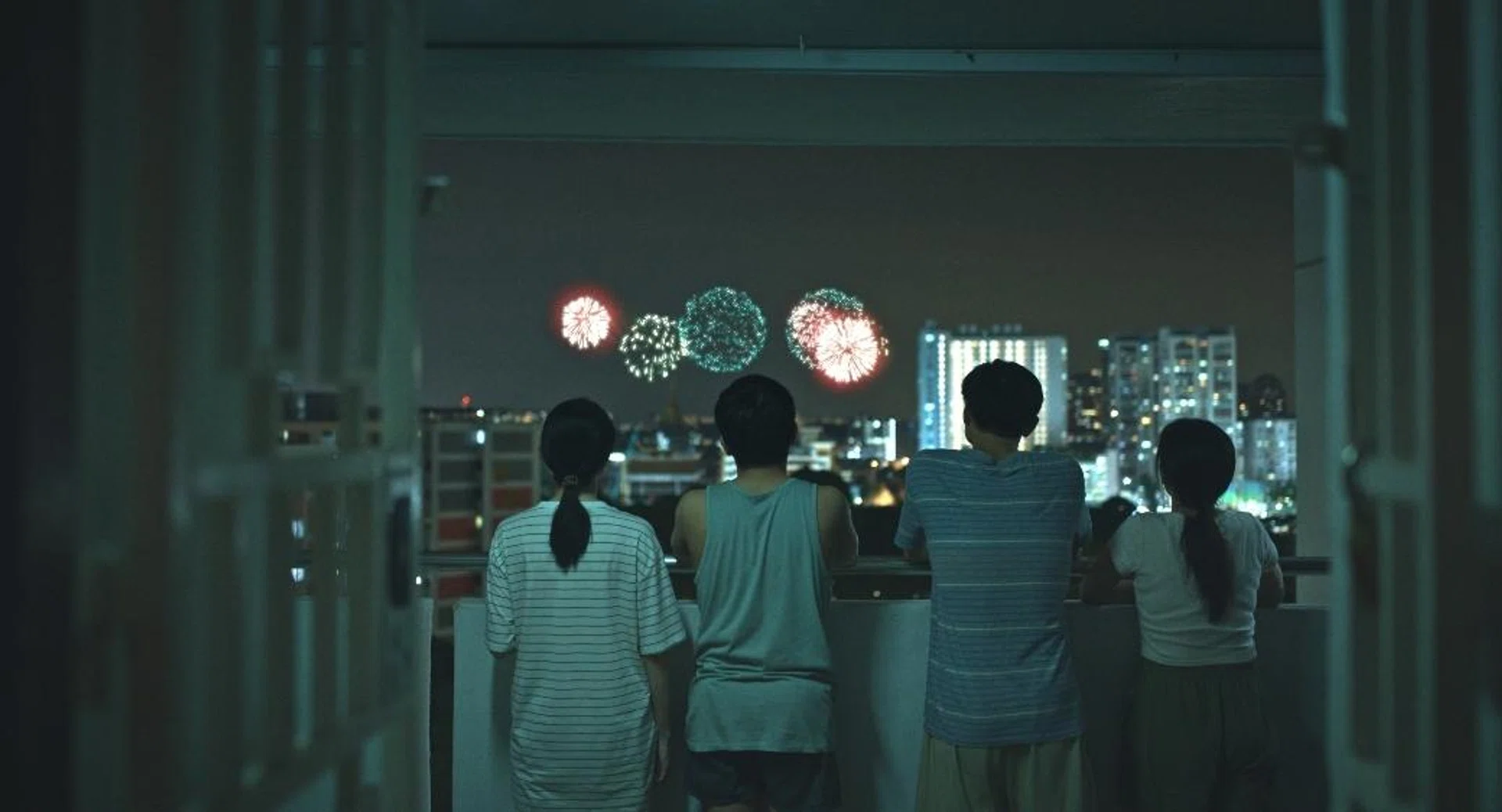
13 years after its first installment, the ‘Growing Up’ film trilogy by director Anthony Chen wraps with the release of We Are All Strangers this year. The entire film was shot over the course of one month across 50 locations, and is finally slated for its Singapore release during National Day month on August 20, 2026.
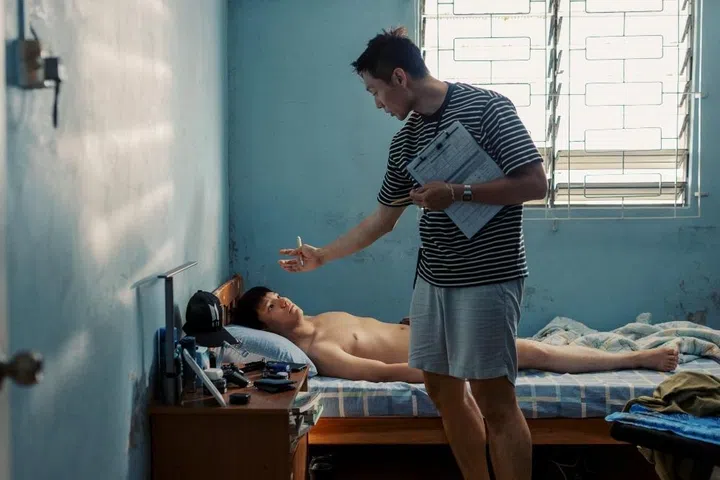
Following its world premiere at the Berlin International Film Festival this past February, the film has already received a slew of praise from international press and cinephiles. For fans who are on the edge of their seat, here’s our no-spoiler rundown and review of the film.
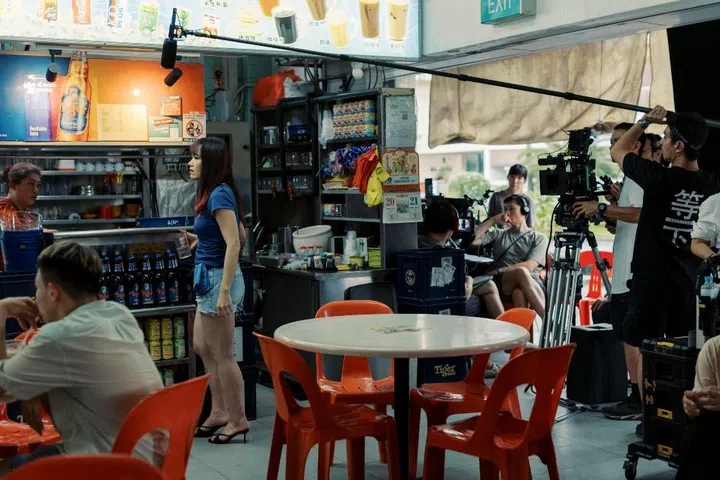
What’s the plot of We Are All Strangers like?
Without giving away too much: the film follows a father-son duo, Boon Kiat and Junyang (played by Andi Lim and Koh Jia Ler, respectively), who are grappling under the weight of staying afloat in Singapore, where wealth and prestige maketh man. While Boon Kiat finds contentment in tender moments with the community he’s formed as a hawker selling Hokkien mee, Junyang is a listless and apathetic young adult who has just dropped out of school and is waiting for national service to come knocking.
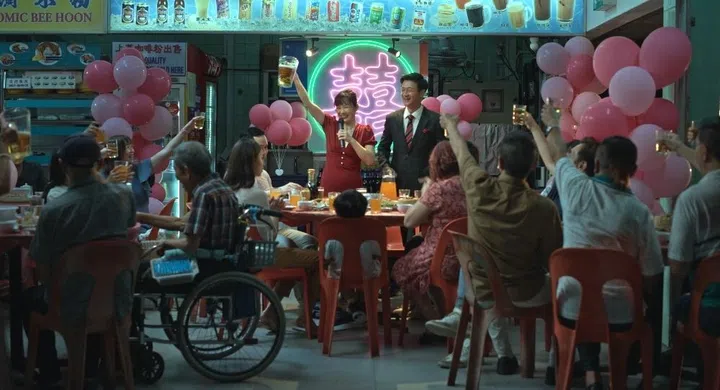
Living their separate but parallel lives, Boon Kiat finds love in Bee Hwa (played by Yeo Yann Yann), a ‘beer girl’ who’s been living with her younger brother whose expanding family unit is about to push her out of their flat; Meanwhile, Junyang falls for Lydia (played by Regene Lim), a wide-eyed, backpack-slinging Junior College girl brimming with talent and potential, whose sights are set on university.

With the demands of basic utilities, baby formula, and a mountain of debt, this newly minted family unit has to keep their heads above the water as they live in a hot and cramped three-bedroom flat, with the imposing backdrop of Singapore’s flashy skyline and celebration of its 60 years of independence and development.
Our thoughts on We Are All Strangers
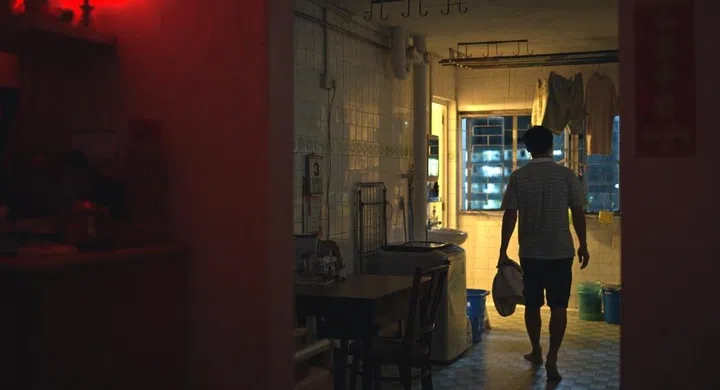
While it’s not a narrative continuation of Ilo Ilo or Wet Season, this final film is more of a spiritual successor in its exploration of class and love through a patchwork family, and speaks to the heart of a society that prioritises pragmatism and linear progression.
It’s in small moments: a father’s disapproving sigh at his son’s lack of motivation with no other words being exchanged, the simple euphoria of an air-conditioned bus that takes its passengers around the sites of Singapore, to the aching nostalgia of a gaggle of school girls giggling through their meal at a fastfood chain together.
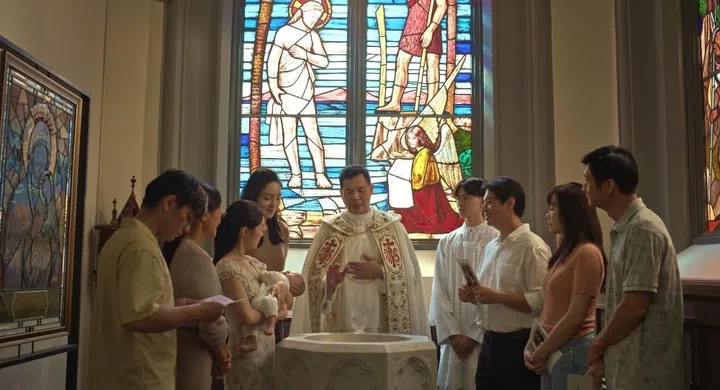
Its overarching themes of class peak through the same way: cheeky banter that points out class differences between a couple, or abashed apologies because “my house don’t have air-con”. They’re confronting yet unaggressive — simply a part of life in fast-paced Singapore but no less wounding.
Beyond the surface, the film makes a case for the dreamers, especially those who’ve been beaten down by life or are forging on on their own terms. Looking past the gleam of the Marina Bay skyline, being outpaced by the rigour of social and academic pressures, and literally being left behind by the prestige of Western universities and names, this is a film that humanises those who dream and love despite it all.
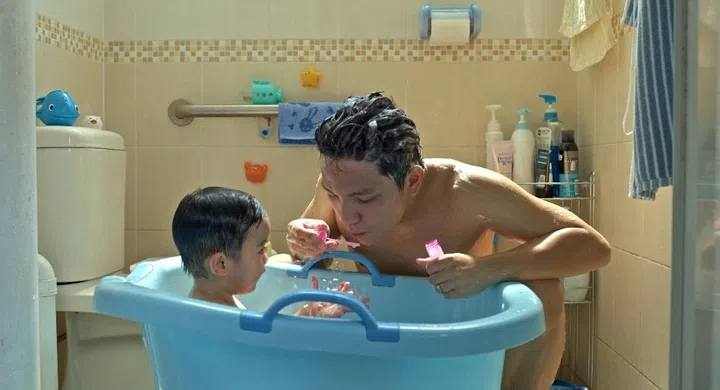
After all, regardless of your name or socio-economic status, you’re still afforded dreams — even if you march toward them a beat too late, or play on despite being worn down and out of tune.
When does We Are All Strangers release in Singapore?
Catch We Are All Strangers in theatres across Singapore from August 20, 2026. Check out the trailer here:
