
10 Ways To Experience “Old Japan” When In Tokyo
A Japan-born writer explores how Japan feels like a country that exists in both the past and future, with its constant juxtapositions of old and new.
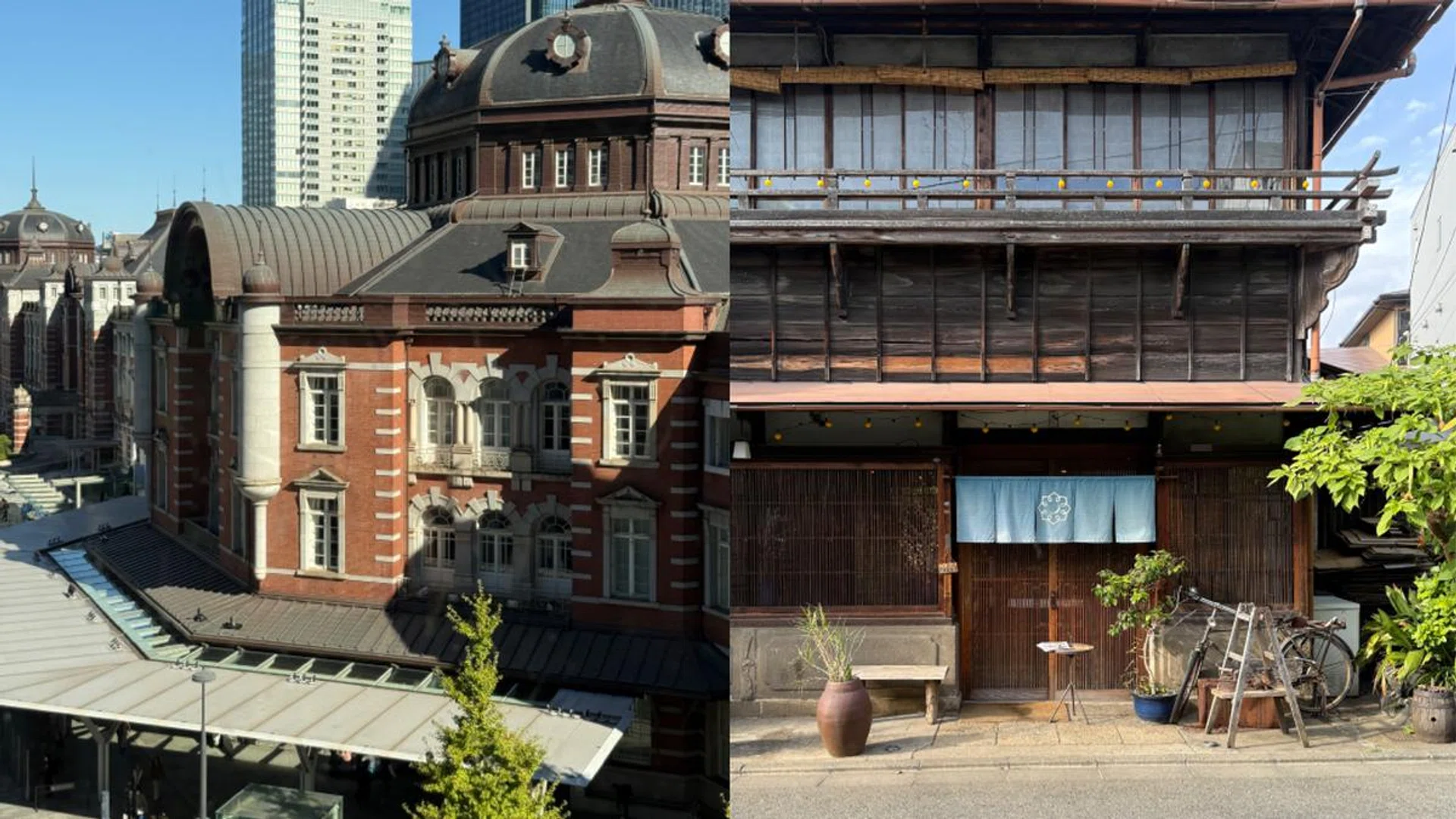
In 1889, a man named Fusajiro Yamauchi founded a company in the historic city of Kyoto that manufactured Japanese hanafuda playing cards. It may sound like a distant tale to those of us in 2024 – a business you'd assume would be irrelevant and long gone. But this is how Nintendo, the giant of the , got its start, long before it became a household name in the 1980s.
READ MORE: 22 Cultural Spots To Visit While You’re In Tokyo
This surprising intersection of history and modernity is not a unique phenomenon in Japan, where more than 33,000 businesses were over a century old as of 2019. It dots the visual landscape constantly as well – think ancient temples alongside high-speed bullet trains.
This convergence of past and future is understandably a fascinating draw for visitors, and navigating some of these sites is a wonderful way to experience Tokyo beyond the usual tourist hotspots. The curated suggestions below touch upon 10 opportunities to experience “Old Japan” in new ways.
READ MORE: A Guide To The Nostalgic Bookstores In Jimbocho, Tokyo’s Book Town
From historical practices reinventing themselves for today, to antiquated buildings changing, surviving, and yet remaining true to themselves – these are glimpses into the country’s beloved reverence for both tradition and novelty alike.
Disclaimer: While the information is accurate at the time of writing, opening times and other details may be subject to change. Please verify before visiting.
#1: AZUKI TO KOURI
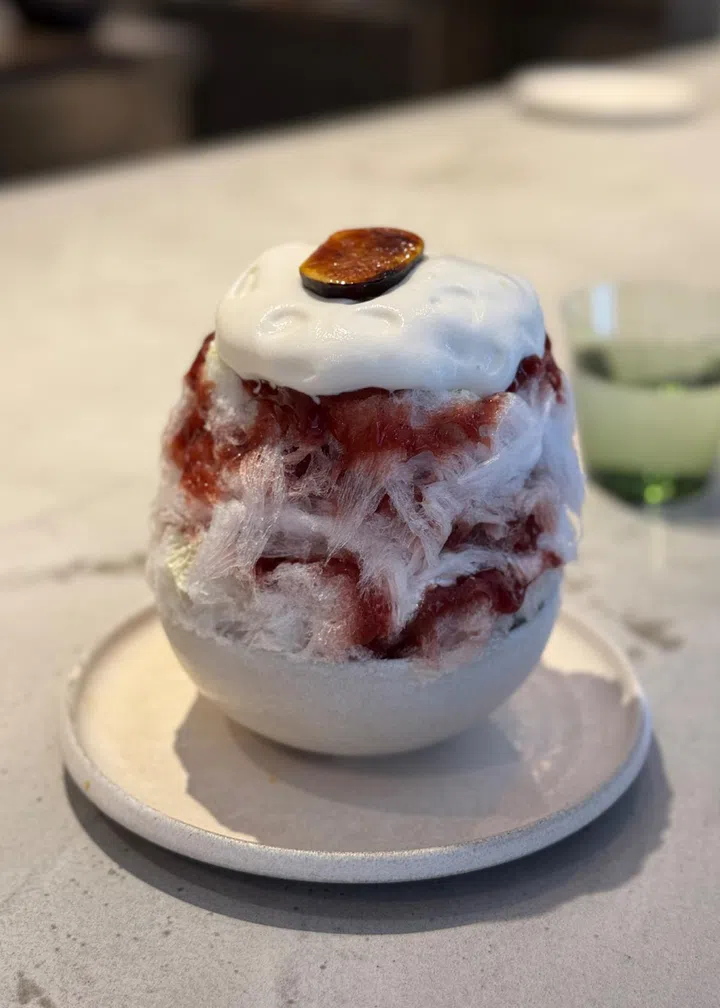
Imagine kakigori, the classic Japanese take on shaved ice, and you usually picture beaches, summertime, and splashes of simple syrup. Not so at Azuki to Kouri, whose name translates to red bean and ice. Here, the traditional dessert has been elevated into something more elegant. Think layers of espuma foam, crunchy crumbles, and even jellies.
Founded by pastry chef Miho Horio – formerly of Michelin-starred Florilege – the shop has earned a dedicated following since its opening in 2022. When we visit in November, we try the persimmon and fig flavors from the ever-changing menu and are wowed by their delicate sweetness. The duo next to us orders two kakigori and a French toast with red bean filling, and we can sort of understand why.
Hot tip: The modern grey space offers only seven counter seats and a tiny corner table, so space is extremely limited. Reservations are a must and are snapped up with the fervour of concert tickets. As its website explains, you can book exactly one week in advance at 9 p.m. JST. Dining time is also capped at 40 minutes, so keep that in mind.
Address: 1-46-2 Yoyogi, Shibuya-ku, Tokyo 151-0053 (1F Grand Duo Yoyogi)
Website: www.azukitokouri.com/en/
#2: APFR
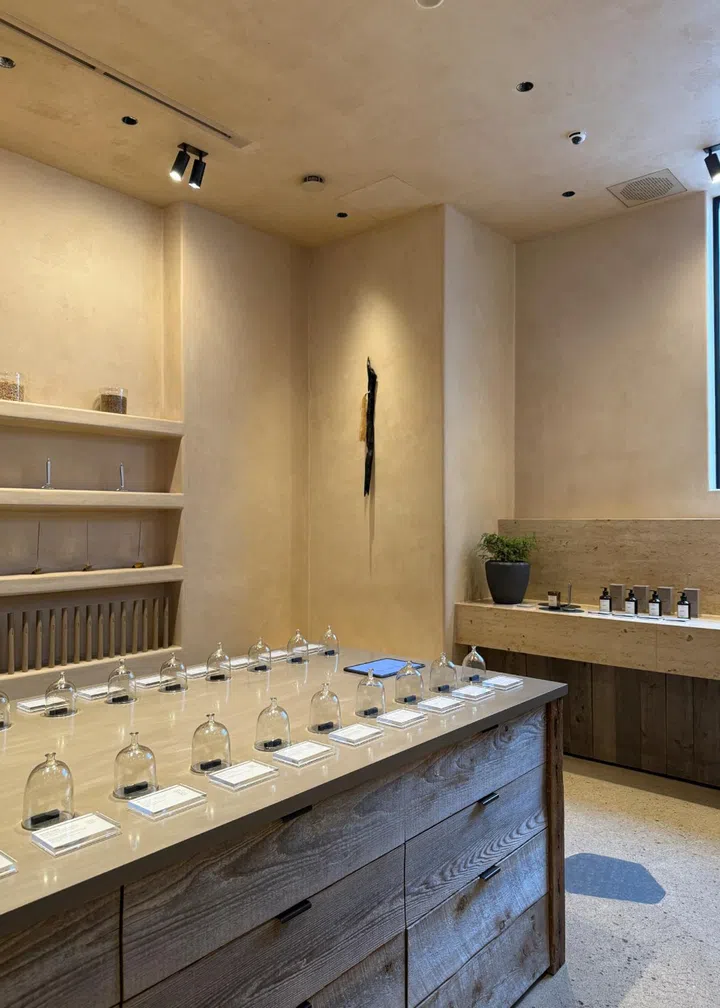
Incense is one of the oldest forms of fragrance in existence, yet it often carries an ancient and somewhat fussy reputation, closely associated with altars and temples. Japanese brand APFR, short for Apotheke Fragrance, is shaking things up by taking a cool, modern approach instead.
Founded by Keita Sugasawa in 2011, the label offers incense sticks, candles, diffusers, and more. With its natural, texture-focused interior and an array of samples displayed under glass cloches, the minimalistic APFR shop has a strong appeal to a younger crowd – even those who have never lit an incense stick before.
Hot tip: Take the time to sample the variety – the room sprays alone come in 38 fragrances. I pick up incense sticks in the Hatayi scent but also note that the closet tag-style air fresheners would be perfect for packing flat. The Reload shopping complex, where APFR is located, is also home to other fun shops like Desk Labo, Ogawa Coffee Laboratory, Beams Planets, and more.
Address: 3-19-20 Kitazawa, Setagaya-ku, Tokyo 155-0031 (Reload 1-5)
Website: www.apothekefragrance.jp/en/
#3: OEDO ANTIQUE MARKET
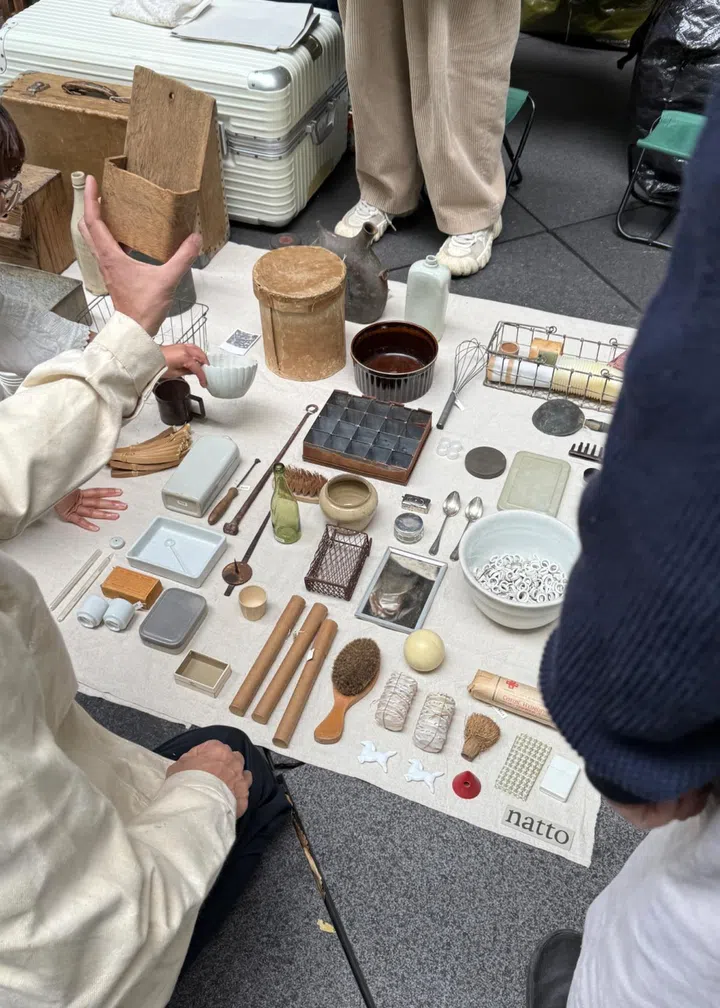
Visual juxtapositions of the old and new are constant in Tokyo, and Oedo Antique Market is a prime example. One of the largest outdoor antique markets in Japan, it features rows of shopkeepers selling a wide range of wares, from toys to homeware to accessories.
Begun in 2003, the market now takes place on the first and third Sunday of every month outside the Tokyo International Forum. The tree-lined avenue of vendors presents a captivating scene, especially when items like antique Edo-period ceramics and boro fabrics are sold against the backdrop of modern glass buildings. Among the treasures I find are vintage medicine labels, lacquered wooden plates, and a canvas bottle bag used by a liquor shop in the 1960s.
READ MORE: Tokyo’s Best Flea Markets For Vintage And Unique Finds
Hot tip: If you want more variety to choose from, arrive early. If you're hoping for discounts, go late. I usually visit in the latter half, and in the final hour, some vendors offer small, unprompted discounts. Cash is always useful in this context, as not all vendors accept cards. I also recommend doing a full loop first to see what’s on offer before making any purchases.
Address: 3-5-1 Marunouchi, Chiyoda-ku, Tokyo 100-0005 (Tokyo International Forum Side Square)
Website: www.antique-market.jp/english/
#4: TRICOLORE
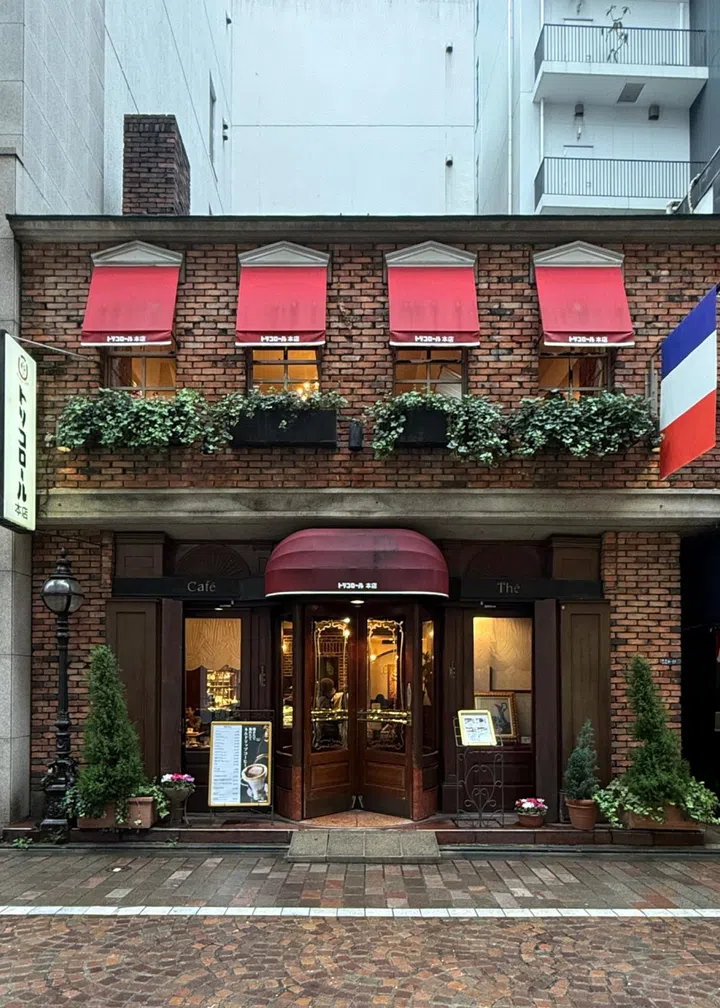
There’s been a resurgence of interest in Japanese kissaten over the past few years. These first-wave coffee shops, which proliferated in the post-war period, were typically moody establishments with dark wooden walls and velvet seating – a far cry from the airy coffee shops of today. In some ways frozen in time, their unique atmospheres now draw young customers for their vintage appeal.
Tricolore is a particularly charming, if upscale, example. Founded in 1936, the two-storey shop in the backstreets of Ginza serves excellent pour-over coffee made only upon ordering. With its silver teapots and well-heeled servers, it exudes a warm, elegant feel. Trying the sweet treats from its simple yet clearly honed dessert menu is a must.
READ MORE: Tokyo Thrifting And Vintage Expert Nicole Wong Shares Where She Shops In The City
Hot tip: Weekends and peak periods can get somewhat busy. Those waiting form a queue along the interior staircase, but it tends to move quickly. Diners on the second floor can enjoy a quieter space, while those on the first – especially at the counter – can watch the barista in action. Drinks like the cafe au lait are hand-pulled from quite a dramatic height, much like our local kopi and teh. It’s fun to watch.
Address: 5-9-17 Ginza, Chuo-ku, Tokyo 104-0061
Website: www.tricolore.co.jp/ginza_trico/index.html
#5: OKURA
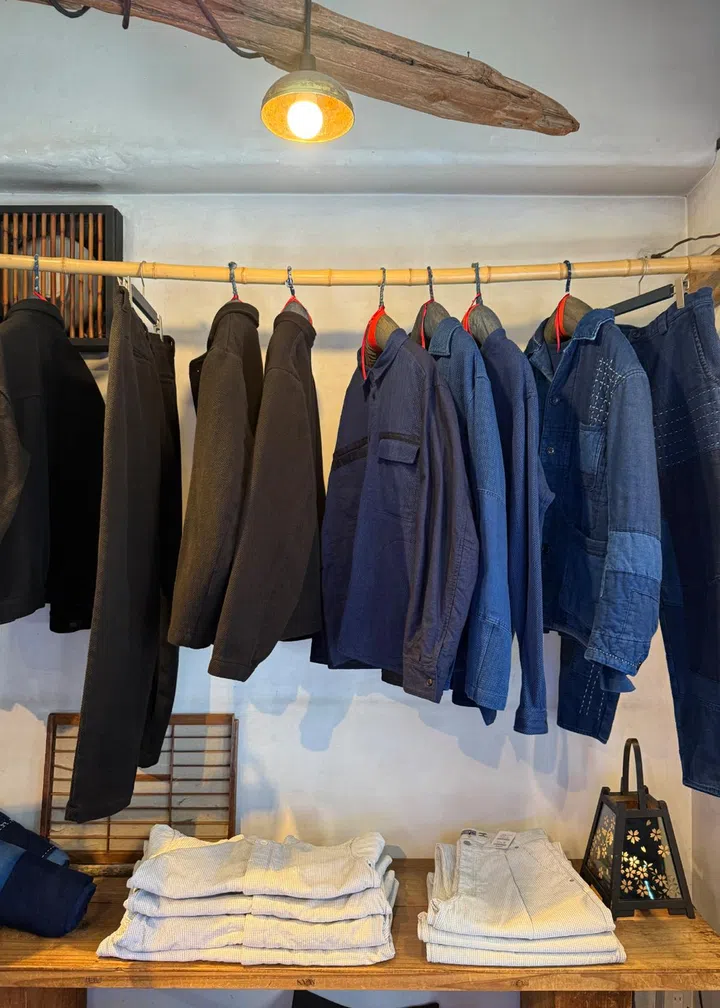
The best retail stores make full use of their environments to bring their offerings to life, and Okura is no exception. The flagship store of Blue Blue Japan is housed in a standalone building inspired by a traditional kura (warehouse). This design perfectly complements the mainly menswear lineup inside, which features Japanese crafts such as indigo dyeing and sashiko stitching.
The designs are lovely (and accordingly pricey), but the real appeal is the shop itself. Creative rustic details, like bits of ceramic and other ephemera (including a magnifying glass!) embedded in the shop floor, speak to its lovingly handmade nature. It’s an ode to craftsmanship and a reminder that not everything needs to be slick and perfect to be admired.
READ MORE: Best Stores In Tokyo For Thrift And Vintage Shopping
Hot tip: The accessible elevator at the back, which you'd assume to be purely utilitarian, features a charming surprise of an interior. Take a peek if you can. Okura also carries a more affordable line of indigo-dyed t-shirts with humorous Japanese phrases. I pick one up that tickles my funny bone – it features the word futsuu, meaning "average" or "normal." The area near Okura also has other fun shops, like the caramel store Number Sugar and the clothing store Ambihanako.
Address: 20-11 Sarugakucho, Shibuya-ku, Tokyo 150-0033
Website: www.hrm-eshop.com/blueblue
#6: OLD HOUSE CAFE RENGETSU
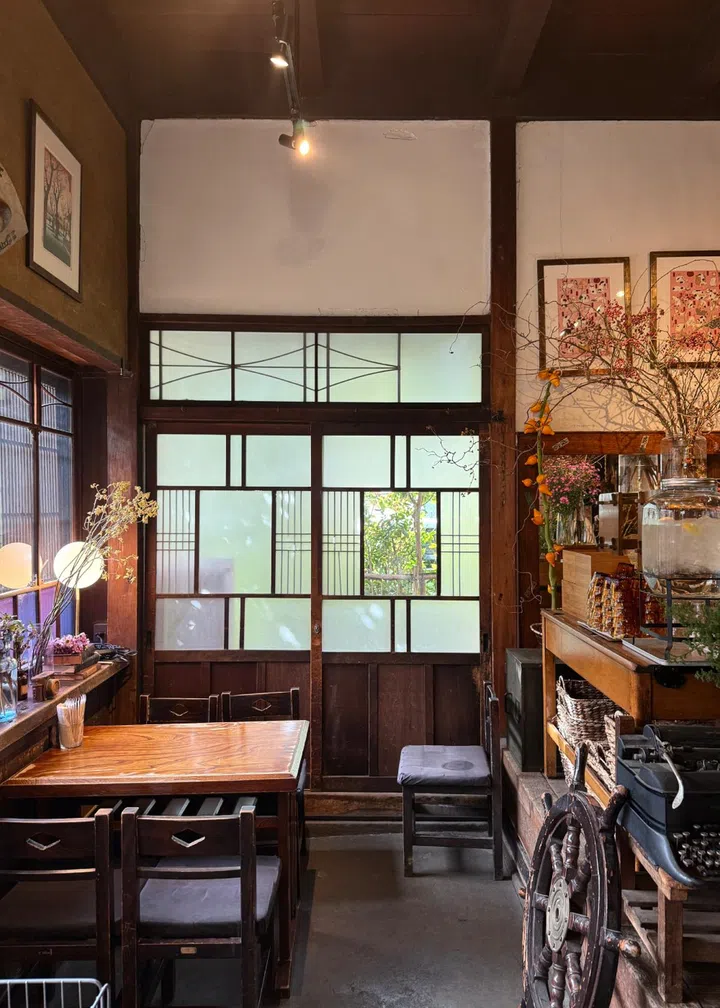
Another trend that has emerged over the last decade is the renovation of kominka – old houses – into cafes and restaurants. It's a way of preserving buildings that might otherwise be abandoned, while giving them a new life for more people to enjoy. An enthusiastic yes on my part. Rengetsu does this wonderfully.
Located in a quiet neighborhood, the wooden building was originally built in the 1930s. Now, it serves as an idyllic watering hole offering drinks and simple meals. Fresh flowers grace every table, and dried flowers in the main entrance enhance its lovely, storybook ambiance. Though it takes a bit of a journey to reach (about 45 minutes to an hour from central Tokyo by train), it's well worth it for a relaxed weekday morning adventure.
READ MORE: The Best Sushi Joints In Tokyo, According To Top Sushi Chef Kenjiro Hashida
Hot tip: Check the schedule on its website for any changes to opening hours, and be prepared for a wait on weekends. The second floor offers shoes-off tatami seating for a different vibe. I loved the homestyle dry curry set and refreshing plum soda I had, but next time, I’d like to try the iconic blue drink, Semi-o – an iced tea soda with nata de coco, which is an homage to a TV drama that filmed there on location.
Address: 2-20-11 Ikegami, Ota-ku, Tokyo 146-0082
Website: www.rengetsu.net/
#7: EDO-TOKYO OPEN AIR ARCHITECTURAL MUSEUM
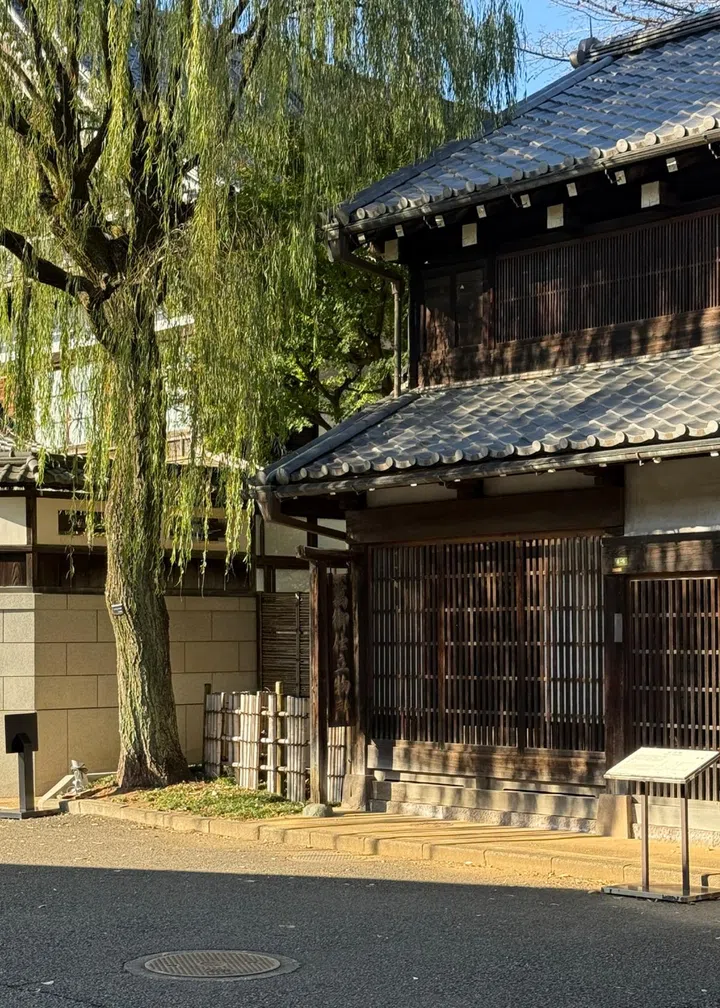
Architecture nerds, unite! The Edo-Tokyo Open Air Architectural Museum is a dream destination for those who enjoy imagining what life might have been like in another time. Located in Koganei Park on the outskirts of Tokyo, the museum is less of a traditional museum and more of a collection of 30 reconstructed and reassembled residential and commercial buildings from various eras, ranging from the early Edo (1603-1868) to the middle Showa (1926-1989) periods.
It’s a fantastical village of buildings that would normally never coexist in the same place, and they’re all open for exploration. Forget the overcrowding in Kyoto – visit this gem instead to experience historical splendour in comfort.
READ MORE: Beyond Yayoi Kusama’s Pumpkin: Exploring Naoshima, Japan’s Art Island
Hot tip: Given the distance (about an hour from central Tokyo by train) and the time it takes to explore, this is more of a day trip than a quick stop. Entry is remarkably cheap (400 yen for one adult), and the outdoor setup makes it a great destination even for wriggly kids. All the buildings are fantastic, but I especially love the Kodakara-yu building (E4) and the Kunio Maekawa house (W6).
Address: 3-7-1 Sakuracho, Koganei-shi, Tokyo 184-0005 (Inside Koganei Park)
Website: www.tatemonoen.jp/english/
#8: GINZA LION BEER HALL (7-CHOME)
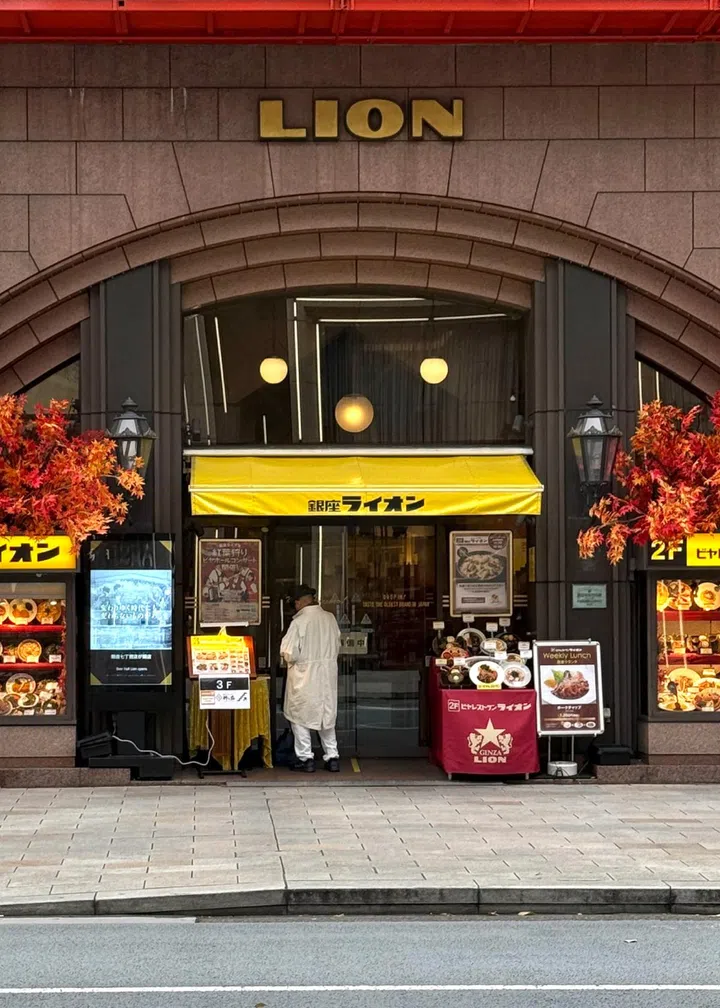
There’s a sleeping lion in the middle of busy Tokyo, of sorts. The red brick-clad Ginza Lion Beer Hall, which opened in 1934 as the headquarters for Dainippon Beer, looks nondescript from the outside but wows when you step inside.
Modeled on a German beer hall, the vaulted room is adorned with glazed green and brown tiles and lit by round pendant lights. A glass mosaic wall depicting figures gathering barley and sturdy wooden furniture complete the evocative space.
Its menu isn’t something to scoff at either. The house classic, a sausage platter, is delicious and pairs perfectly with the potato salad. Seating is plentiful, especially at opening, and even at lunch, there are plenty of diners enjoying what's on tap.
READ MORE: 14 Chic Hotels In Japan To Stay In For The Upcoming Sakura Season
Hot tip: Be careful not to mix up locations, as there’s another Ginza Lion Beer Hall just two avenues away. There are also other restaurants on the upper floors of the Ginza Lion building, but the beer hall is located on the first floor with its entrance facing the main street. At the table, there’s a link to a short video highlighting the building’s history. It’s worth a watch to see the space evolve over the years!
Address: 7-9-20 Ginza, Chuo-ku, Tokyo 104-0061 (Ginza Lion Building)
Website: www.ginzalion.jp/shop/brand/lionginza7/
#9: TORAYA AKASAKA
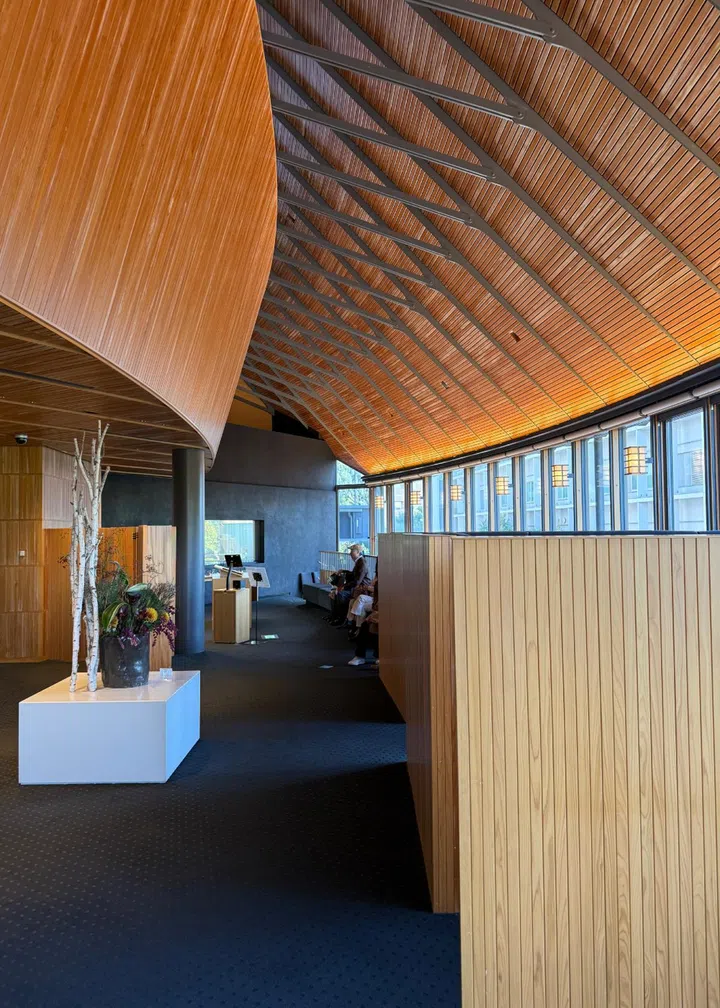
It’s fascinating to see how brands with more than a hundred years of history remain relevant today. Japanese confectionery shop Toraya, which has been making wagashi since 1869, does so with elegance. They have several locations, including a convenient shop in Tokyo Midtown, but its glassy flagship store in Akasaka is the crown jewel.
Opened in 2018, the impressive building houses a shop, office, gallery, and restaurant. Our destination is the latter, where we enjoy anmitsu, a classic dessert featuring cubes of agar jelly and red bean paste, paired with green tea. They also serve light seasonal meals. The wood-clad walls and ceiling of the space are tastefully simple, enhanced by the green views of nearby Motoakasaka through its expansive windows.
Hot tip: The restaurant isn't a large space, so expect wait times during peak hours. However, there's plenty of seating at opening. With the views, window seating is especially coveted. It’s also worth checking if any exhibits are being held in the basement gallery. When we visited, there was a delightful show on Toraya packaging through the years.
Address: 4-9-22 Akasaka, Minato-ku, Tokyo 107-8401 (Toraya Building)
Website: www.toraya-group.co.jp/shops/shop-5
#10: KITTE MARUNOUCHI
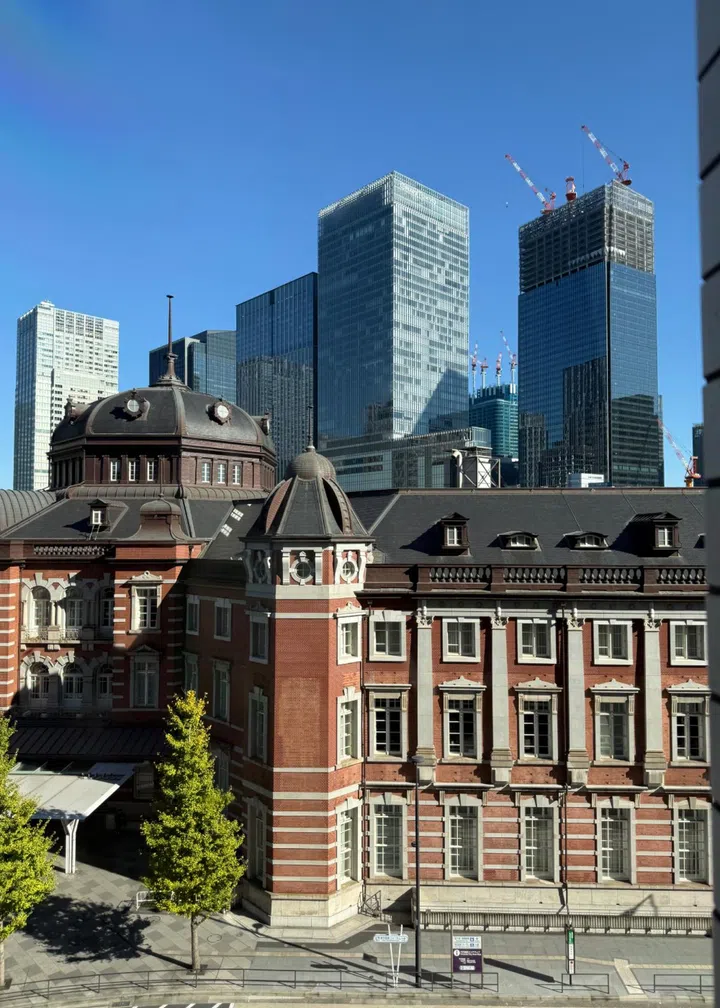
If you happen to be visiting Tokyo Station or passing through on your way to another domestic destination via bullet train, it's worth taking a few hours to stop by Kitte Marunouchi. The building, located directly across from Marunouchi Square, once housed the Tokyo Central Post Office.
Reborn as a shopping complex in 2013, its name – kitte meaning "stamp" in Japanese – and preserved exterior nod to its postal roots. On the fourth floor, you can even find a corner that recreates the former postmaster’s office. The biggest draw, however, might be the stunning views of nearby, brick-clad Tokyo Station from its expansive sixth-floor roof garden. Locomotive fans will also appreciate the chance to watch trains coming in and out of the station.
READ MORE: The Best Places To Buy Vintage Luxury Bags In Tokyo
Hot tip: Kitte Marunouchi is home to many wonderful independent and multi-label shops that focus on design and local craft, making it a great stop for picking up gifts. Favourites include Angers Bureau, H Tokyo, Good Design Store Tokyo, nop de nod, Koncent, kuros’, Claska Gallery & Shop “Do,” and especially Nakagawa Masashichi Shoten.
Address: 2-7-2 Marunouchi, Chiyoda-ku, Tokyo 100-0005
Website: www.marunouchi.jp-kitte.jp/