
The Paper Bunny: How A Singapore Stationery Brand Became A Lifestyle Powerhouse
Here’s what went into growing this homegrown fashion and lifestyle success.
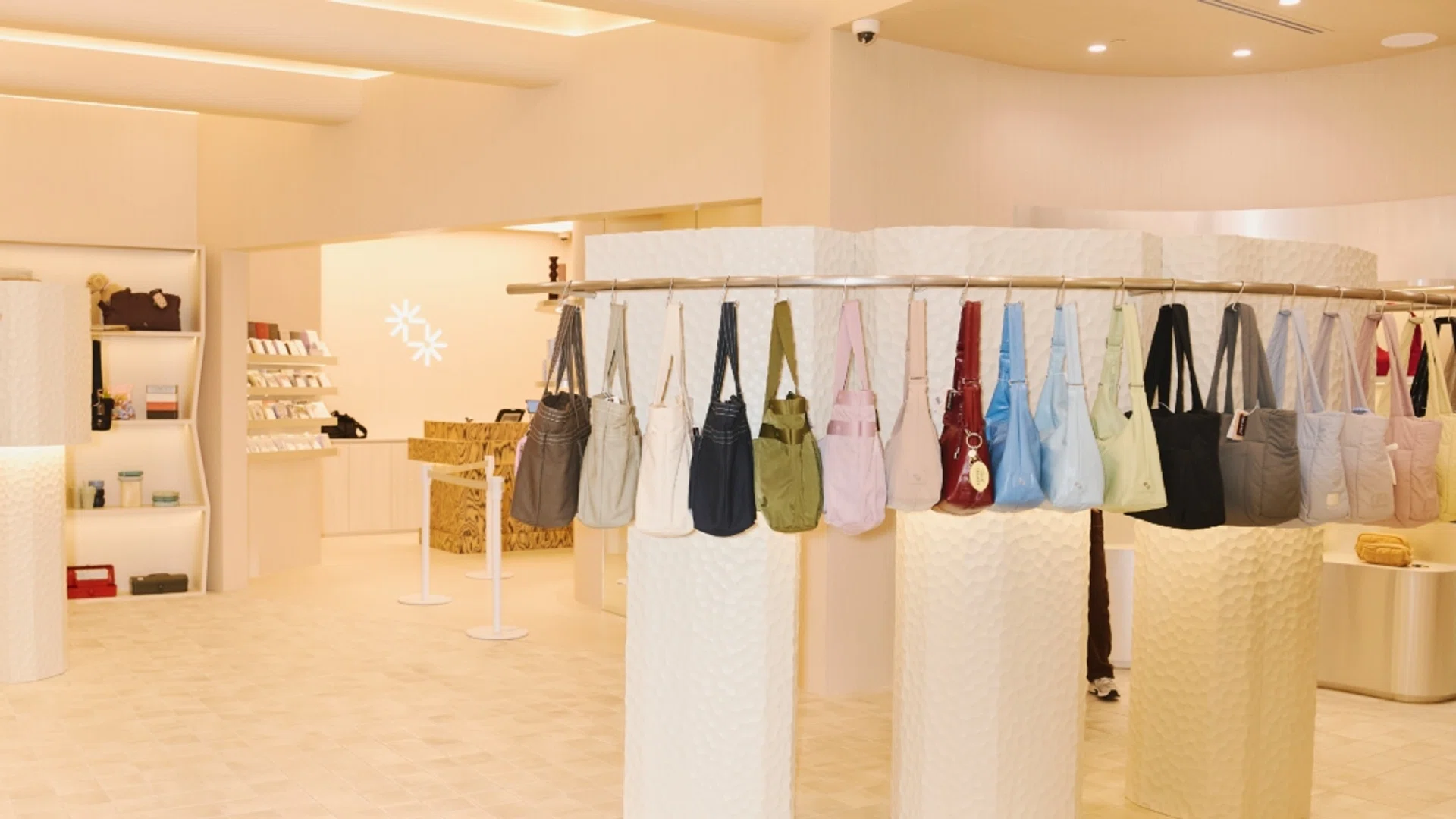
In the world of home‑grown fashion and lifestyle labels, The Paper Bunny is one of Singapore’s most recognisable. Now into its 12th year, the brand continues to resonate with the crowd that craves both style and function. Proof? Six‑hour‑long queues for its cult puffer bags; an association with the “Singapore girl” aesthetic on TikTok, thanks to its ubiquity; and, most recently, the opening of its second bricks‑and‑mortar store, this time at a prime retail spot in VivoCity (#02‑187/188), in early August this year.
Behind the brand is its 39‑year‑old creative director Jaime Lee and her husband, Justin Tan, 41, who functions as its operations director. What started as a passion project selling stationery has grown into a name beloved across Singapore. In 2018, sensing that their loyal fan base loved their design ethos as much as their paper goods, the couple expanded into bags and apparel. Today, the streets are filled with their best‑selling puffer bags and The Arc shoulder bags. Its founders tell us all about nurturing their community and fanbase, their journey as entrepreneurs, and their secret to business longevity.
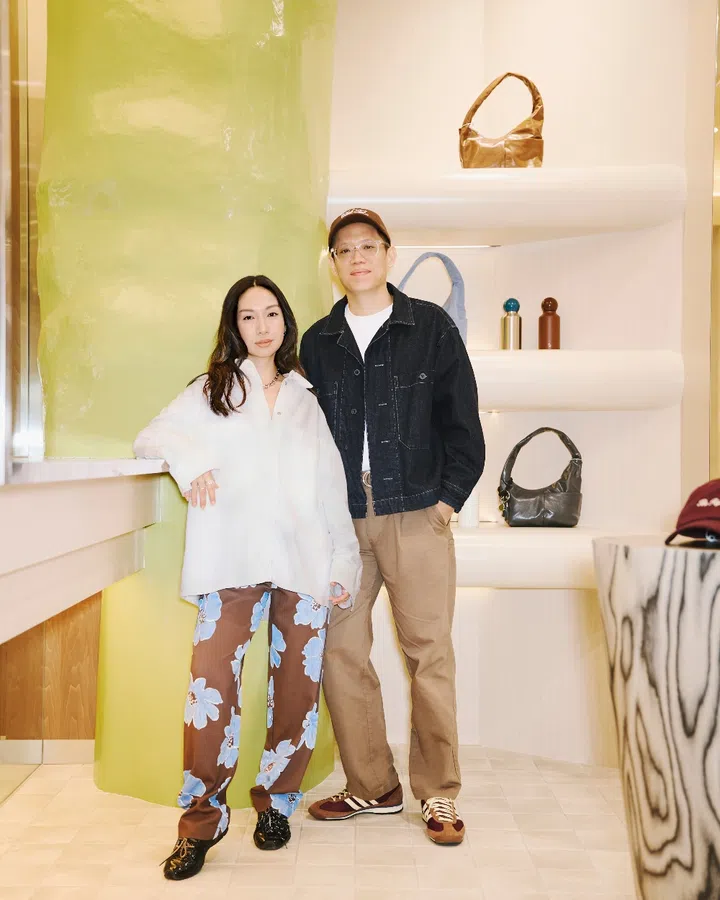
The Paper Bunny’s co-founders: Jaime Lee and Justin Tan (pictured above on the left and right, respectively).
Congratulations on the opening of your second store. As the founders of one of Singapore’s most successful fashion and lifestyle brands, what would you say is the secret to business longevity?
Lee: “Thank you for saying that! We believe that being clear about what we offer to the market, being true to who we are, listening to our customers and evolving with the times have anchored us through rocky seasons. Sustained success takes consistency and adaptability, and enduring businesses embrace the need to pivot at the right time.”
The Paper Bunny started off as a stationery brand. What motivated its expansion into lifestyle?
Lee: “We started off doing stationery out of a deep desire to create something we couldn’t find for ourselves. Over the years, it became apparent that our customers stay with us not just because of the medium, but also the heart and aesthetic behind the designs we offer. So we listened and made a considered decision to expand into lifestyle.”
You two have been in the game for more than a decade now. What’s a crucial business lesson you had to learn the hard way?
Lee: “Not every opportunity is the right opportunity. Saying yes to everything can dilute your brand.”
And what are some highlights that have kept you going?
Lee: “It’s seeing how our products truly become part of people’s everyday lives. It reminds us that we’re making a difference in this world in our own way.”
What do you think people want to buy most now, and how does The Paper Bunny appeal to these wants and needs?
Lee: “People want pieces that add value to their lives. Our designs appeal because they’re thoughtfully designed with the customer’s everyday rhythm in mind, they last beyond a season and they’re versatile.”
What do you think has allowed your business to buck the trend of weak sales?
Tan: “We focus on products that are meaningful, functional and beautiful, not just trendy. We also invest in building trust and a strong community around the brand – things that can’t be replicated by discount culture or fast fashion.”
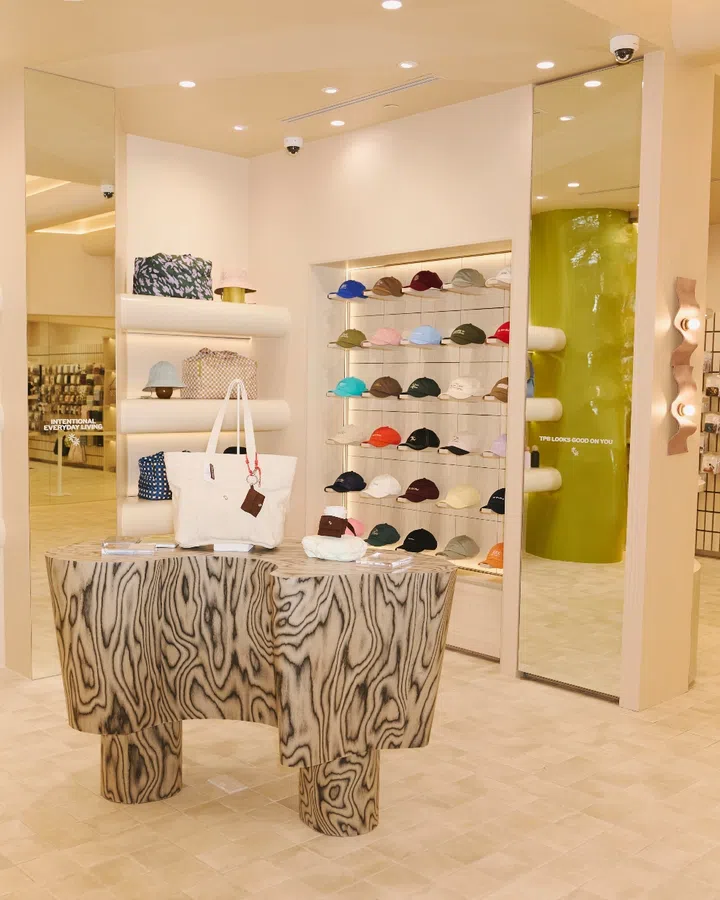
Even when The Paper Bunny was a passion project that sold stationery, the brand was committed to creating products with thoughtful design and intentionality. Today, even its stores are no exception. “From flow to lighting to the way pieces are displayed, every detail is considered,” says Lee. In collaboration with Parable Studio (a Singapore‑based interior design studio), the VivoCity store was designed with an atelier‑meets‑apartment vibe in mind, meant to, as she shares, “encourage exploration and discovery”.
Out of curiosity, does the business of fast fashion impact the way you work and operate in any way?
Tan: “Fast fashion is a reality, but we choose to build on quality and trust rather than on trend pieces that last only a season. We don’t compete on speed or volume, but on thoughtful design, brand building and pieces that can last for the price tag that people pay.”
Does a fashion entrepreneur need a fashion or a business degree to have a successful business?
Tan: “We’re living proof that you don’t need either. We graduated with law degrees. Everything else, we learnt along the way. It isn’t uncommon these days for people to dive into something completely different from what they studied, and the most important lessons can’t be learnt from a textbook.”
What’s the most valuable lesson you’ve learnt taking your business to this stage?
Lee: “People matter most. If you approach your customers and your team with respect, empathy and curiosity, the right people will naturally be drawn to you. It’s also important to be clear about what you bring to the table – that will set you apart from everyone else. In today’s extremely noisy and competitive world, this clarity and authenticity are more important than ever.”
THIS INTERVIEW HAS BEEN EDITED FOR BREVITY AND CLARITY.
This article first appeared in Volume 2 of F Zine.
PHOTOGRAPHY ATHIRAH ANNISSA ART DIRECTION JONATHAN CHIA