
Manifesting Your Dream Bag — Literally
Meet the hands and factories that create your iconic designer bags, one stitch at a time.
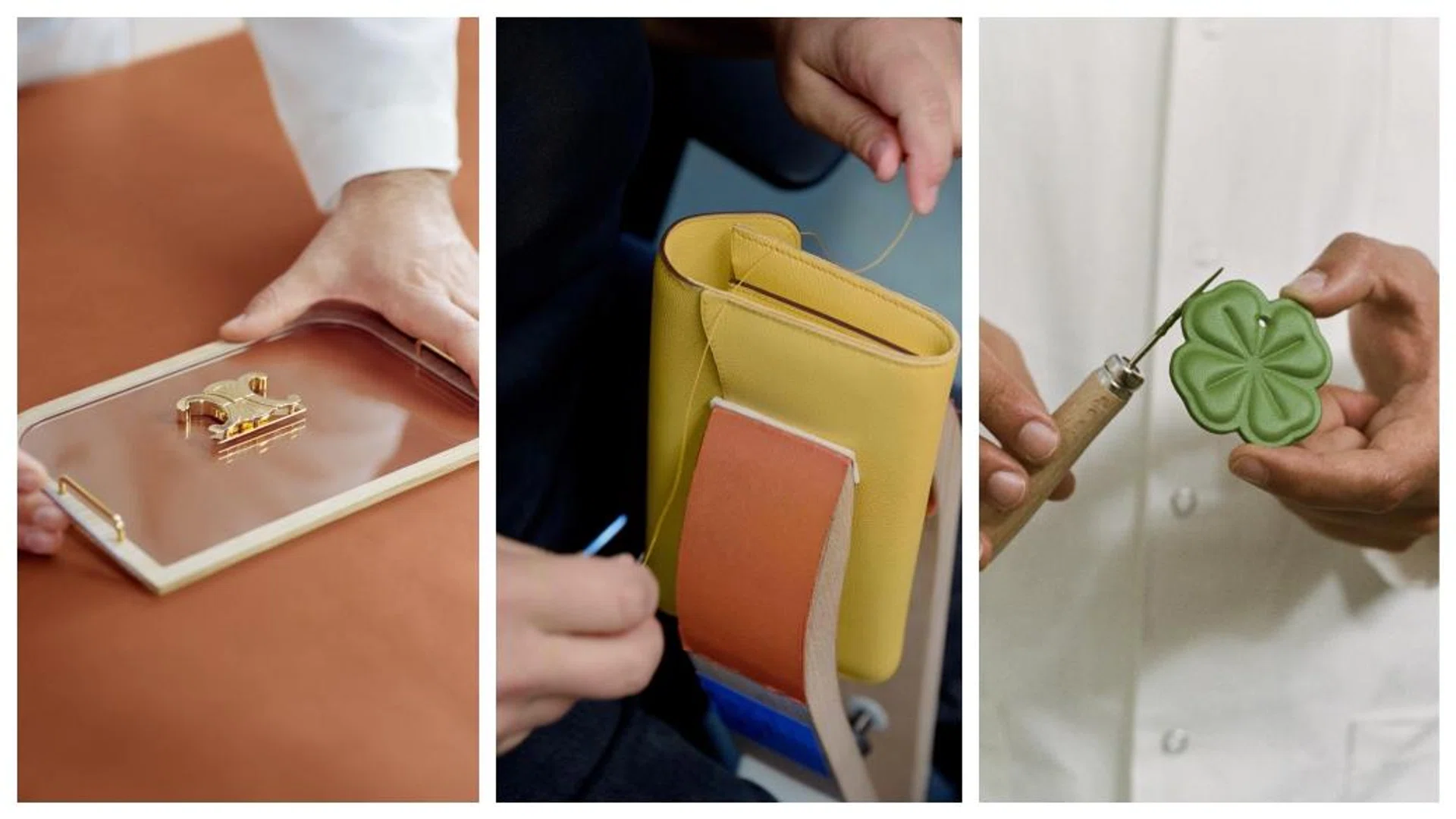
As the world turns back to analog culture, craftsmanship proves itself the backbone of luxury fashion. For many houses, substance has always come first.
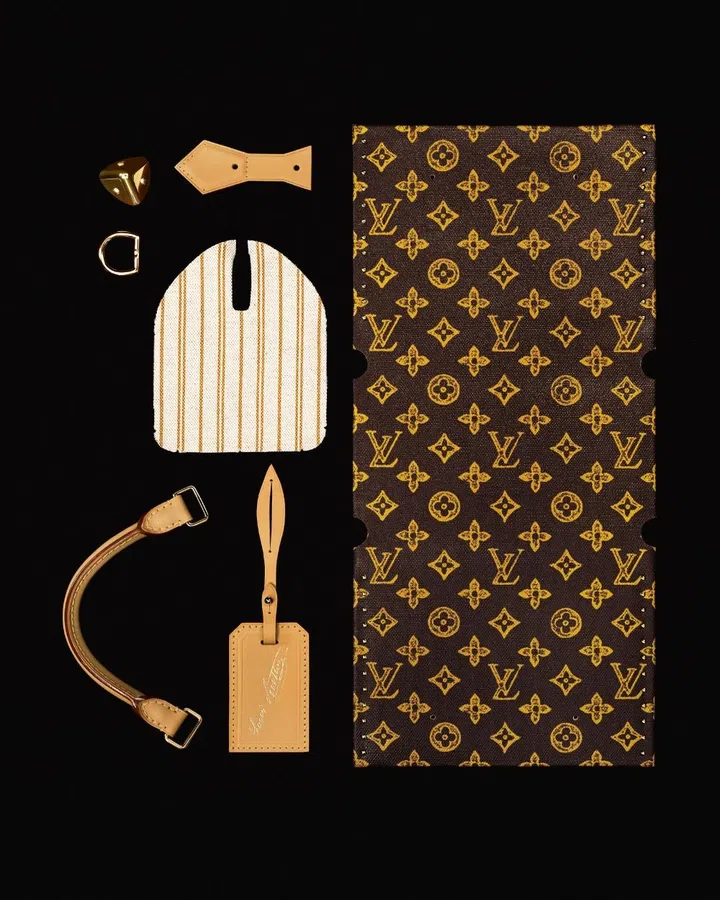
The lightness of many of Louis Vuitton’s bags attests to their savoir faire, but the brand’s emblematic Monogram is in itself an artistic marvel. Conceived in 1896, it’s often considered one of the first modern logos with its complex design: the brand’s initials – interlaced yet still legible – surrounded by stylised floral medallions to create an ornamental pattern. Originally woven on a jacquard loom in natural linen threads, it was recreated through pochoir – a stencil technique involving the application of pigments by hand, layer by layer, to ensure precision and depth – six years later. Also said to make the motif more resistant to humidity and light while maintaining suppleness, this can be said to be the blueprint to the Monogram that’s the standard today: delicately printed onto a cotton canvas base that’s coated in protective vinyl.
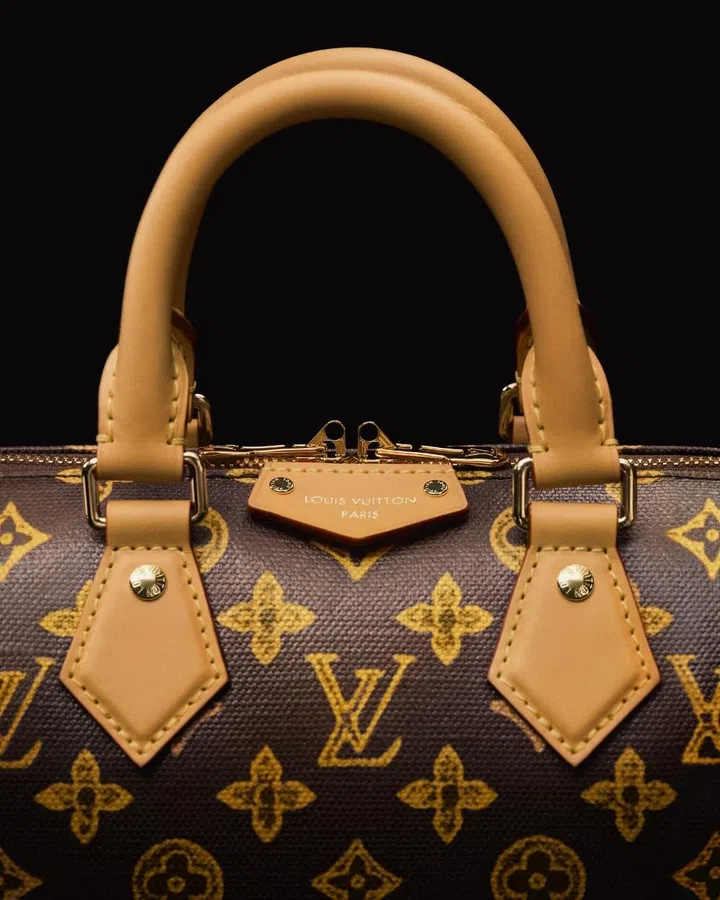
To kick off the 130th anniversary of the Monogram this year, Louis Vuitton has released three special‑edition collections spotlighting it. Among them is the Monogram Origine, which expresses the logo once again in tactile jacquard – woven from a linen‑and‑cotton blend – across all of the key bag styles. Featured here: the Speedy Trunk 20 in Ebene – French for “ebony” and a reference to the Monogram’s first colourway.
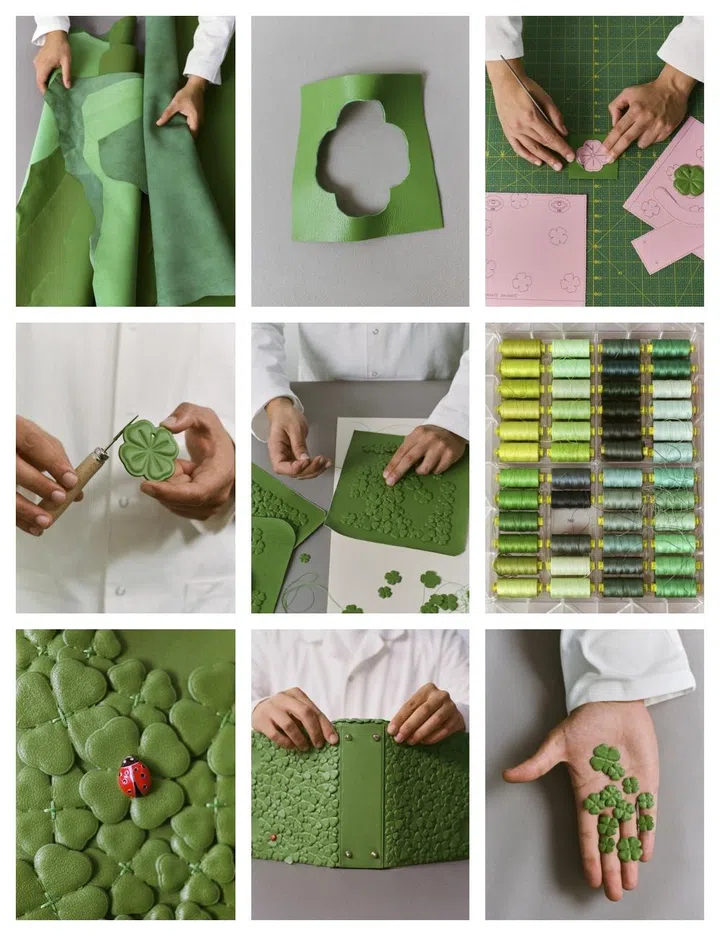
Issued for Spring Summer 2026, the Lady Dior Clover from Dior is a sweet homage to creative director Jonathan Anderson’s Irish roots and exacting eye: Every single leather applique – shaped like a four‑leaf clover – is first hot‑stamped to create its relief effect, then finessed and embroidered on by hand individually. A tiny metal ladybug is added for extra luck.
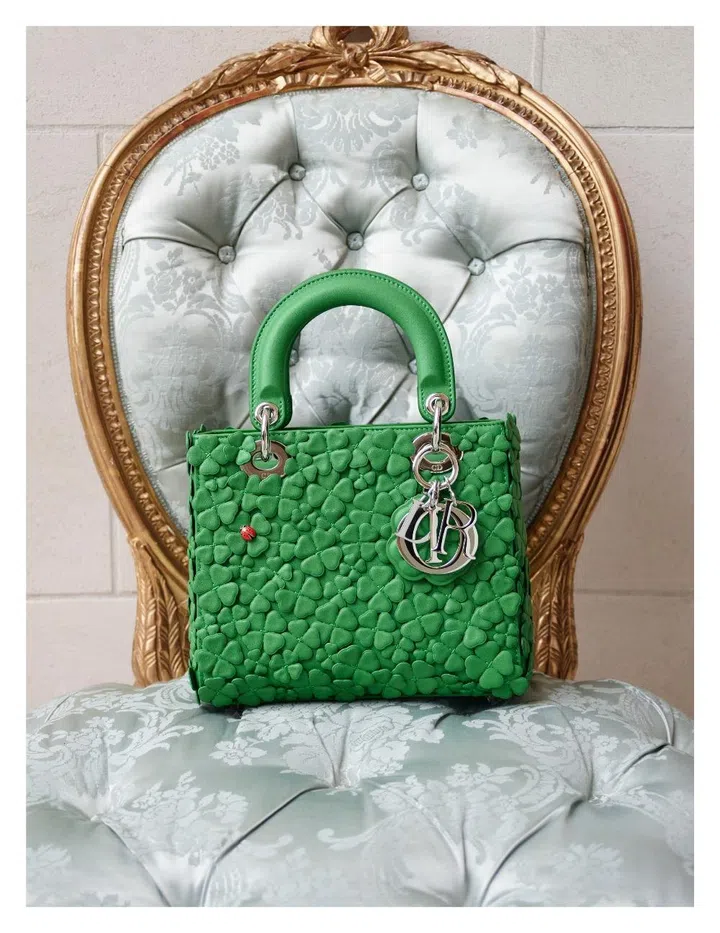
The luckiest bag, herself.

Five years ago, Hermes set up the Ecole Hermes des Savoir‑faire with the aim of keeping its leather goods know‑how and culture alive through generations. Besides training artisans, this educational arm offers a vocational diploma in leatherworking as well as a CQP – or Certificat de Qualification Professionnelle – in cutting and stitching. In September last year, the maison welcomed its 24th leather goods workshop, this time in the commune of L’Isle‑d’Espagnac in the southwest of France.
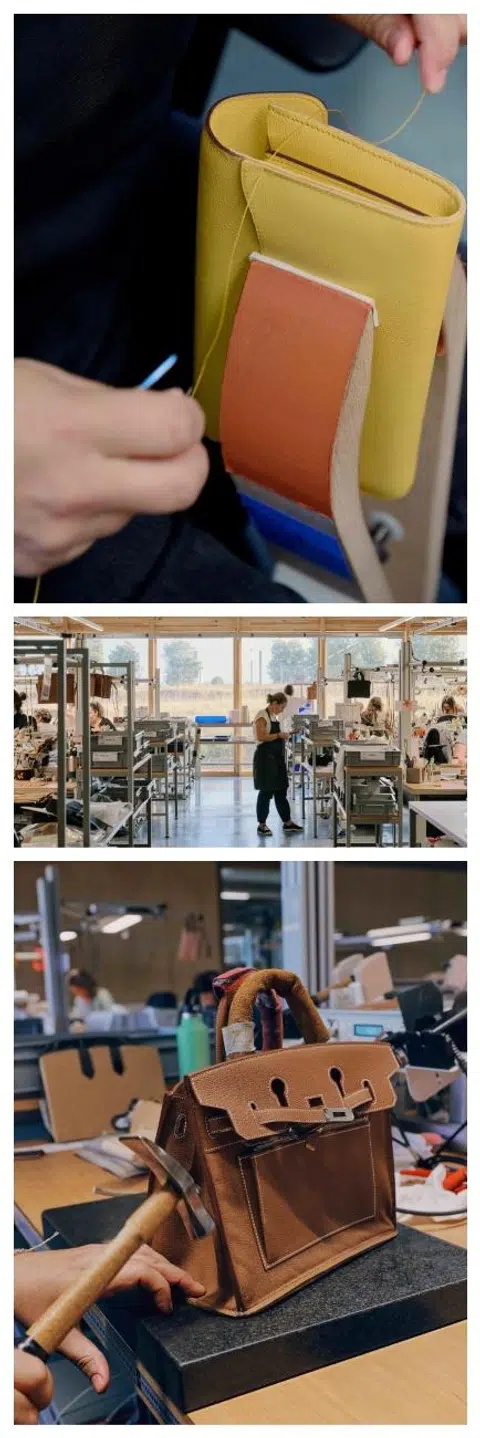
A scenic, positive‑energy building designed to meet Hermes’s sustainable real estate guidelines (all construction materials used are local and low‑carbon, for example), it further affirms the brand’s commitment to producing its bags – in this case, the Kelly and the Birkin, as well as small leather goods – exclusively in France, and supporting the local community while at it.

For all its hyper‑contemporary industrial aesthetic, The Plant is at its core about the human hand and nature. A production facility set up by Balenciaga in the town of Cerreto Guidi in Tuscany, Italy – a region with a long history in craftsmanship – last year, it’s an integrated manufacturing hub specialising in leather bags, particularly the most high‑end lines such as the Le City and Rodeo (pictured above).

Formerly an abandoned factory, the more than 86,100 sq ft‑wide complex was designed with regeneration in mind. More than 21,500 sq ft of photovoltaic panels that harness energy from the sun are used to provide for 20 per cent of its total energy consumption, for example, while the building’s thermo‑acoustic insulation is made of recycled textile fibres derived from scraps from Balenciaga’s sneaker manufacturing process. Meanwhile, seasoned artisans are matched with students through the Master Bag Maker programme to pass on savoir faire know‑how from one generation to the next.
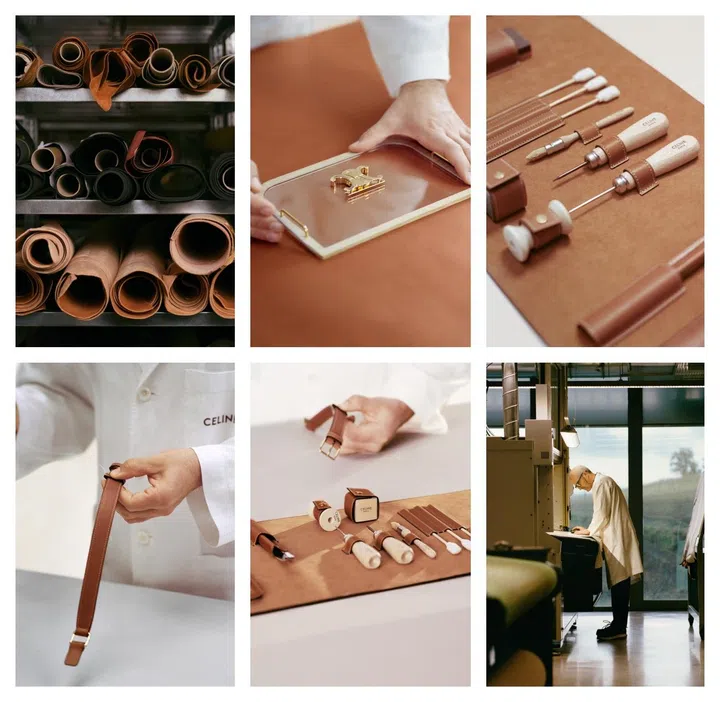
At Celine, the longevity of its leather goods takes pride of place – founder Celine Vipiana saw it as inherent to functional design, and made it a point to work with only the highest‑quality materials as well as meticulous artisans equipped with generations of experience and know‑how when she launched her first handbag in the 1960s. Now, more than half a century later, the same commitment remains.
