
The Relentless Rise of the 2000s It Bag: Why Your Old Handbag is Now a High-Value Investment
Bag it, then sell it.
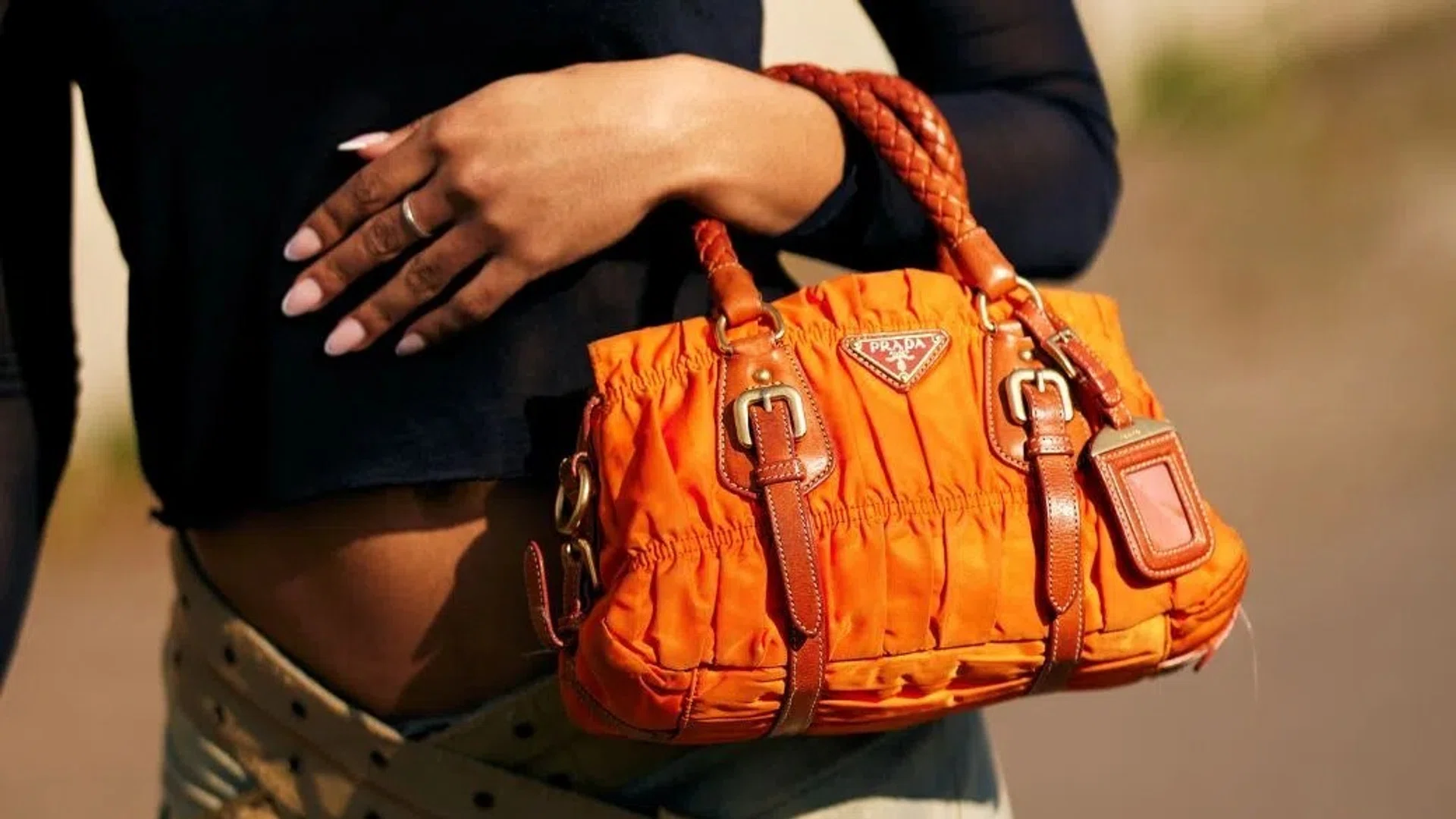
Once upon a time, the It bag was everything. In the early 2000s, it wasn’t just about being an accessory. The It bag was the status symbol; a tabloid fixture, and the ultimate shorthand for “I’ve made it”. Paparazzi shots of Paris Hilton with a Dior Saddle, Lindsay Lohan cradling her Paddington, or the Olsen twins lugging their Balenciaga Motorcycle bags were more than just flashes of celebrity moments. They were global style cues for a generation just coming online. It seemed to say: “To own an It bag is to have arrived”.
Twenty-five years later, the It bag is back, only this time, it’s older, wiser, and loaded with more power.
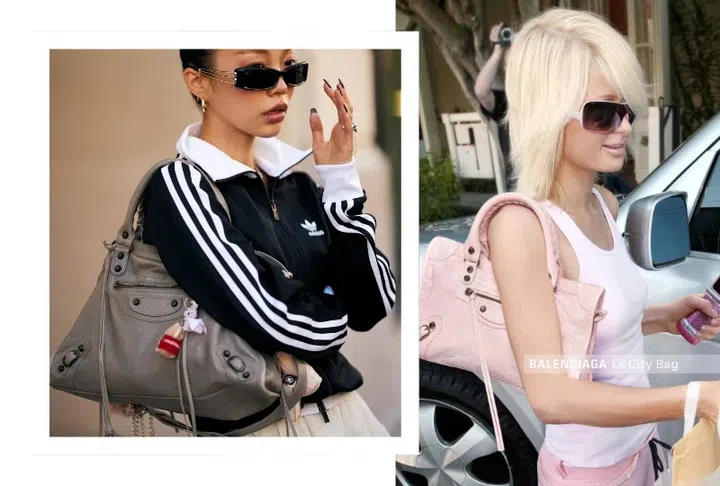
L to R: The Balenciaga City bag is seeing a resurgence of popularity amongst younger shoppers. Knowing their affinity with their audience, Balenciaga released a series of ad images where they had their bags composited on actual papparazzi photos from the 2000s.
From Balenciaga’s rebranded Le City (a nod to the original Motorcycle bag) to Chloé’s Paddington reboot and Michael Rider’s return to the Celine Luggage, the archival revival is in full swing. Louis Vuitton’s recent Express bag nods to the DNA of the Speedy and Keepall, and earlier this year, the brand sent the world in a cherry and sakura-driven shopping frenzy when it relaunched its wildly popular collaboration with Japanese artist Takashi Murakami. Meanwhile, Fendi has brought the Spy out of retirement, this time pictured on today’s It girl Amelia Gray. These reissues aren’t just existing as carbon copies either. Instead, they’re reimagined with a sense of knowing nostalgia, polished up for a generation who either wore them the first time or wished they had.
“This revival isn’t just nostalgia. It’s cultural recycling with purpose,” says Jaana Jätyri, luxury futurist and founder of Trendstop. “After years of quiet luxury, consumers want visible signifiers again .The 2000s It bag represents a playful, recognisable fashion language—a way to signal taste, status and cultural fluency.”
In other words, it’s not about the logo. It’s about being in the know.
Beyond the 2000s It Bag’s Surface
What’s striking about this moment is that these bags aren’t just riding on their looks. They’re riding on legacy. According to Miranda Gillespie, founder and CEO of Luxe.It.Fwd, a resale platform based in Australia, demand for vintage It bags has “definitely spiked” in the past year. “Even before Louis Vuitton announced the Murakami re-release, we were seeing prices for Multicolore Speedy bags jump by more than 120 percent.”
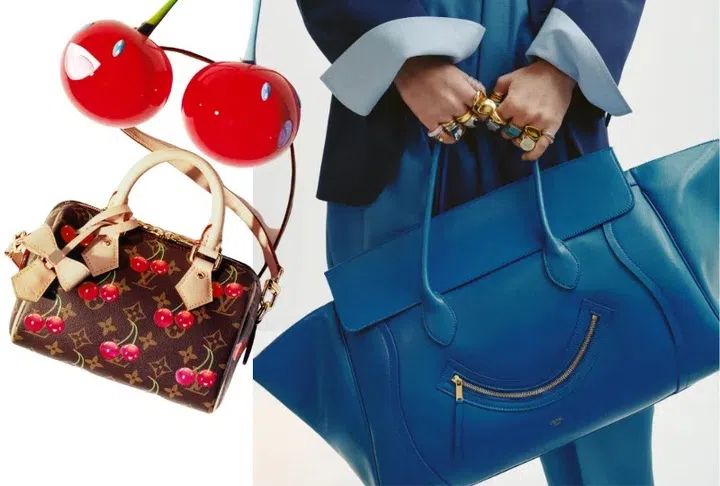
L to R: Reissued and reimagined sacs from Louis Vuitton’s collaboration with Takashi Murakami, and the iconic Celine Luggage bag.
The Paddington is another case study in redemption. “For a long time, it was considered dated and unsellable,” says Gillespie. “But since its reissue, interest has come roaring back. Gen Z shoppers love its chunky padlock as a quirky statement piece.”
At Singapore’s 2nd Street outpost, which opened to blockbuster queues, general manager Katsunori Kitai notes that the Paddington is among their top sellers, alongside flattened, longer silhouettes like the Gucci Jackie or the Dior Saddle. “Social media is the biggest driver,” says Kitai. “The value lies in the fact that someone’s favourite is using it.”
For millennial and Gen X customers, these bags carry emotional weight. “I bought my first LV Speedy with money from my after-school job,” says content creator Ruby Benson. “That bag was glued to my arm for years. I regret selling it. Carrying it felt like holding onto my inner teen self.”
Gigi Wang, a Singapore-based content creator, agrees. “The Chloé Paddington gets joked about for the heavy lock, but I love it for exactly that. It stands out, and more importantly, it reminds me of a time when fashion was fun.”
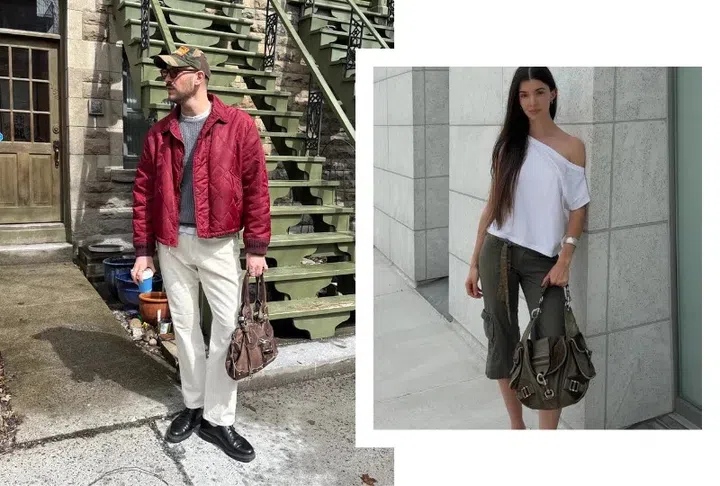
L to R: Bag collectors Nic Marna—pictured with his Paddington bag from Chloé—and Ruby Benson, who carries a John Galliano-era Dior bag.
Nic Marna, another collector, recalls the way bags gave him a way into fashion when other avenues felt closed. “I grew up drooling over magazines, but as a boy at the time, I didn’t feel like those clothes were for me. Bags were my entry point.”
There’s a kind of ownership—not just of a product, but of a moment in time—that vintage pieces give back to the wearer. It’s fashion as time travel, as a way of placing yourself within a lineage. Benson puts it best, saying that “carrying these pieces feels like holding onto a memory of my inner child while keeping my style current.”
For Gen Z shoppers though, the appeal is slightly different. They didn’t live through the Y2K era, which makes these bags feel fresh, collectible, and ironically cool. “Gen Z grew up in a resale-first culture where archive equals authenticity,” says Jätyri. “They remix vintage bags with thrifted looks and streetwear, making heritage feel more personal.”
From FYP to Shopping Cart
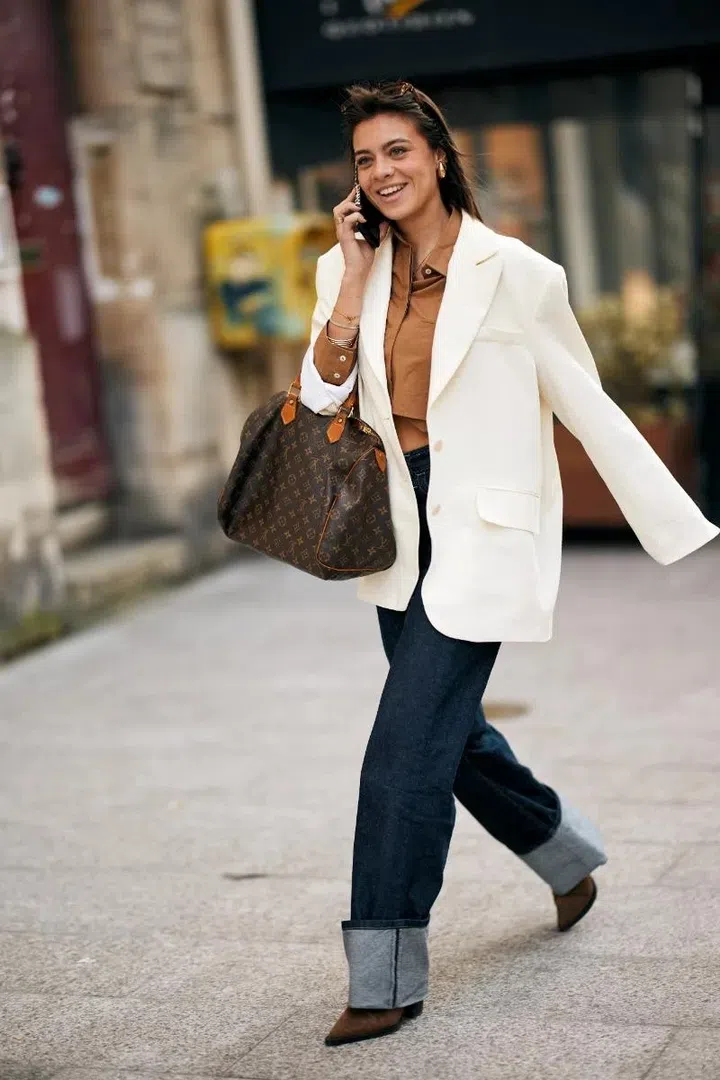
A show-goer at Paris Fashion Week carrying a vintage Speedy bag from Louis Vuitton.
Let’s be real: TikTok is doing the heavy lifting. “In the early 2000s, It bags were tabloid-driven,” says Gillespie. “Today, a single trending video can make a vintage style sell out overnight.” Jane Thompson, co-founder of luxury resale platform Blue Spinach, adds that while early-2000s bags were aspirational purchases, today’s shoppers often chase quick wins. That speed cuts both ways. “Trends now rise and fall in weeks, not seasons,” Thompson adds. “While this can create an explosive moment of demand, it also means saturation and decline happen much faster than before.”
Still, the volatility hasn’t hurt resale value. If anything, it’s amplified it. According to Kitai, the reissue boom has directly boosted OG bag value, telling us that “market prices clearly appreciate when a brand brings a style back. It creates instant demand.”
Marna likens the current moment to “dabbling in the stock market. I’m trying to anticipate what will go up and when to sell. It’s the first time collecting has felt strategic.”
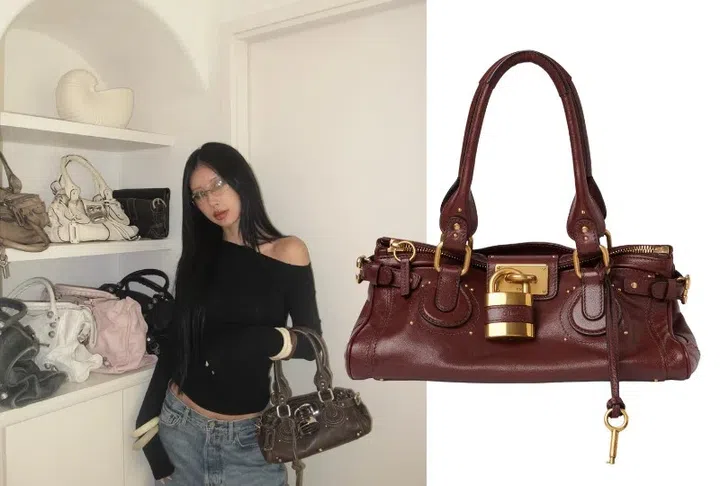
L to R: Gigi Wang with her collection of vintage bags. The Chloé Paddington bag gets a new lease of life as it makes its comeback this year in stores.
It helps, of course, that the brands are leaning into the movement. These reissues offer a familiar silhouette with updated appeal: lighter hardware, smoother leather, more ergonomic straps. They’re not trying to trick anyone into thinking they’re new designs. They’re betting on the power of recognition.
“It’s a mix of heritage and freshness,” says Gillespie. “Brands get to celebrate their archives while serving something ‘new’ to a generation that never had the chance to own the originals.” And in the process, they stoke desire for the real thing.
“Even when brands tweak the design,” she adds, “There’s something about owning the original that feels more authentic.”
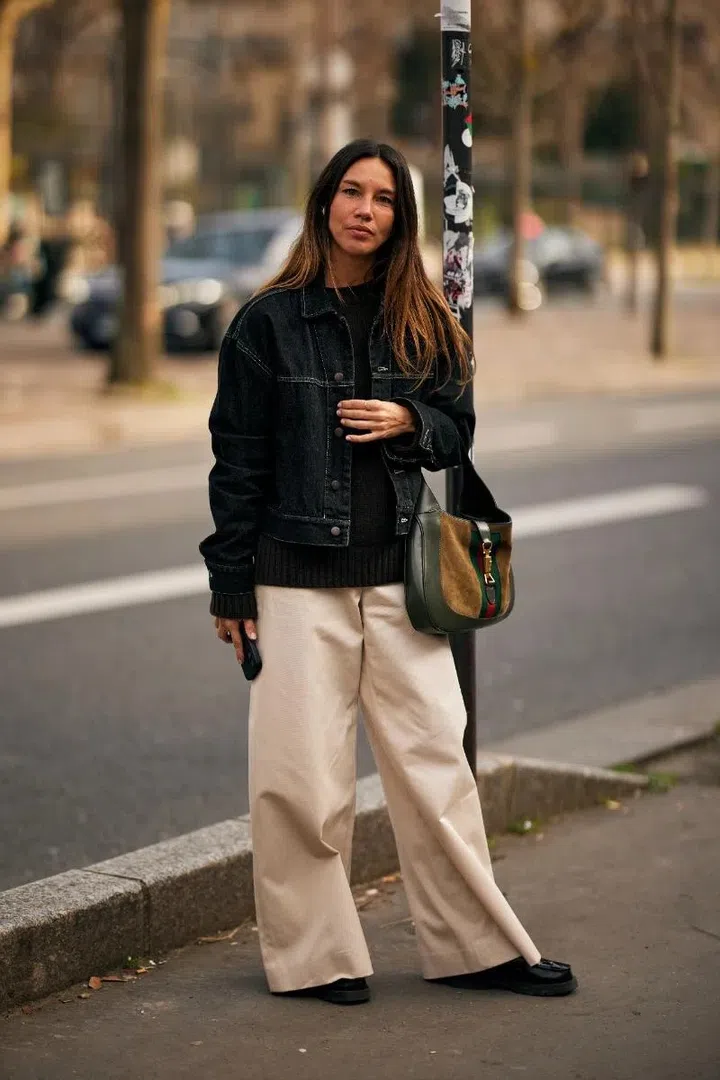
Gucci’s Jackie bag, which is pictured here on the streets of Paris, is one of the many It Bags making their comeback.
For collectors like Benson, Marna and Wang, the original always wins. Wang remarks, “I like that reissues bring these styles back into circulation, but nothing replaces the character of the OGs.”
That emotional resonance is driving up value. “Certain vintage styles are appreciating like assets,” says Gillespie. “Buyers know they’re putting their money into something that won’t just hold value, but might grow.”
Jätyri agrees: “Resale platforms primed this trend. Influencers showed the vintage pieces first. That built demand before the brands responded. It’s one of the few times consumer behaviour drove brand strategy, not the other way around.”
Thompson, too, acknowledges the power of consumer-led influence. “It’s no longer about brands declaring what’s in. The customer is more visually literate and historically aware than ever. They’re choosing pieces with memory, with meaning.”
This story first appeared on Harper’s Bazaar Singapore.