
My Dior: The Jewellery Comeback We've All Been Waiting For
The cannage motif has long been synonymous with the house of Dior, and it's getting the spotlight it deserves in their jewellery collection.
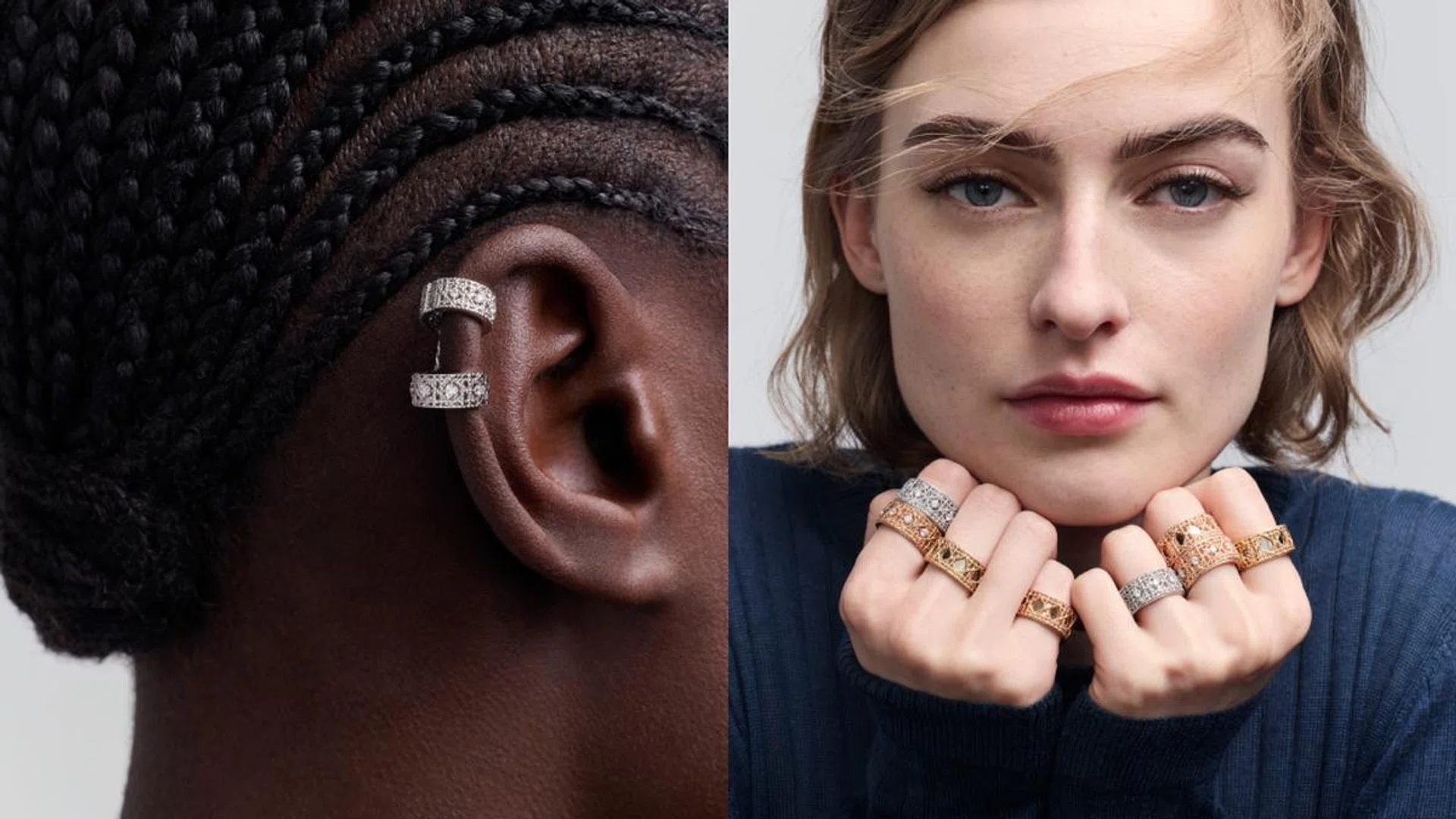
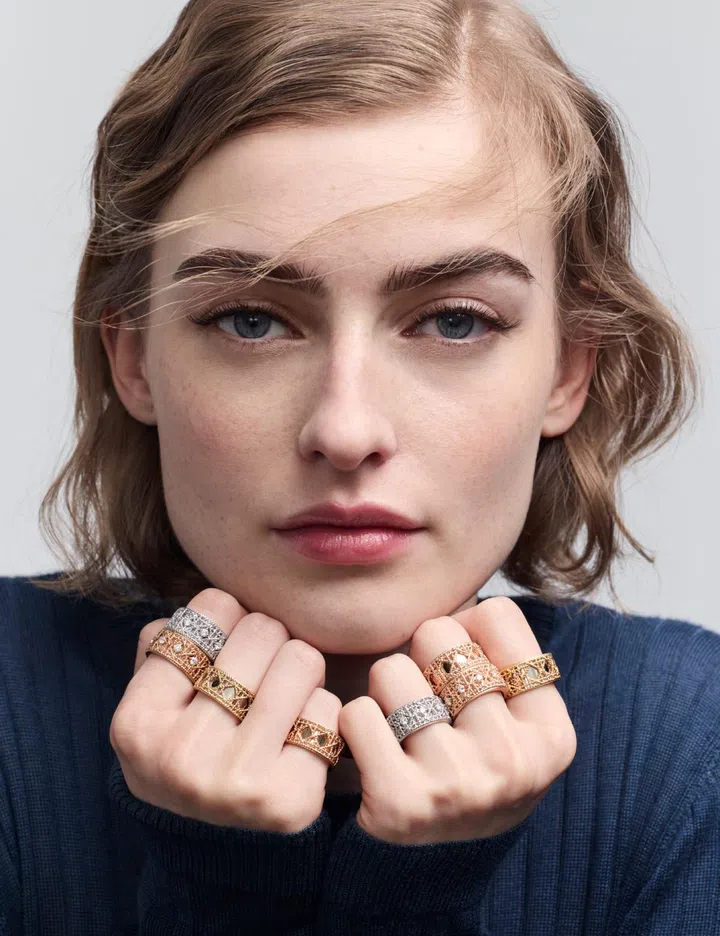
My Dior returns to Dior's jewellery department this September with the debut of 15 new designs.
Comebacks are tricky – they either hit the mark or fall short. But Victoire de Castellane, Dior Joaillerie’s genius artistic director, is clearly aiming high with the revival of My Dior. First launched in 2012 and paused six years later, the collection is making a return, with its signature nod to Dior's iconic Cannage rattan weave – a design feature inspired by the luxurious 17th-century-style Napoleon III chairs that Monsieur Dior used for his debut 1947 show.
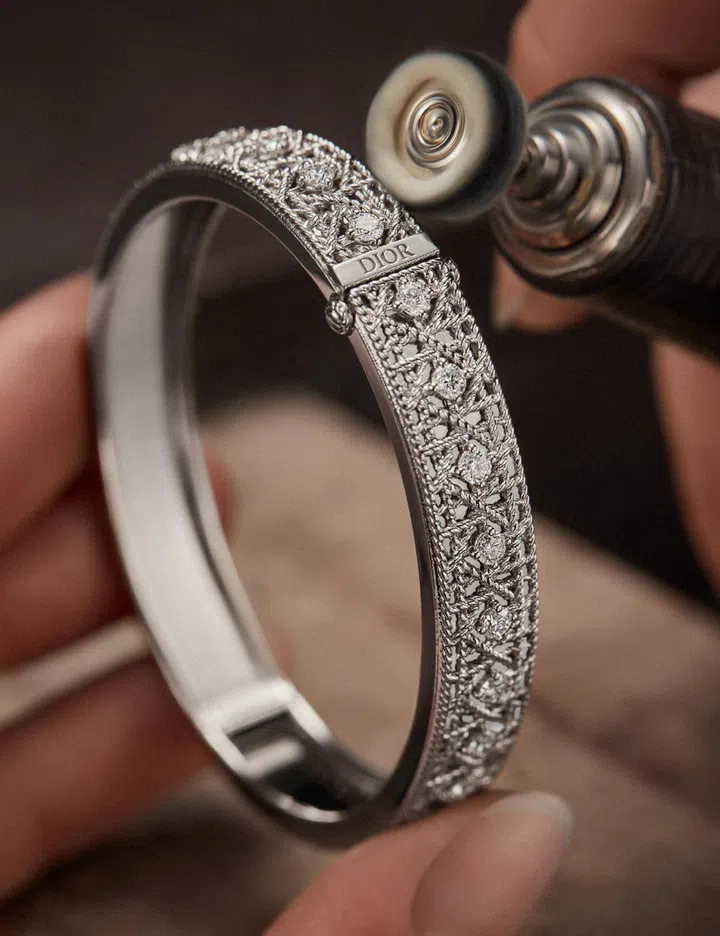
The Cannage motif's latticework design is set against a gold base to add depth to the pieces.
With its crisp geometric pattern of squares and diagonals, the Cannage motif has been embraced by various departments within the Maison. Most famously seen on the Lady Dior bag with its quilted leather design, the motif has also been featured on Dior Beauty product packaging and incorporated into ready-to-wear collections. It is only fitting that de Castellane has once again utilised the Cannage motif for her jewellery, reinforcing it as a timeless symbol of the brand’s creativity. This approach mirrors Chanel’s successful use of its matelasse motif for the Coco Crush line and Bulgari’s Tubogas in its collections.
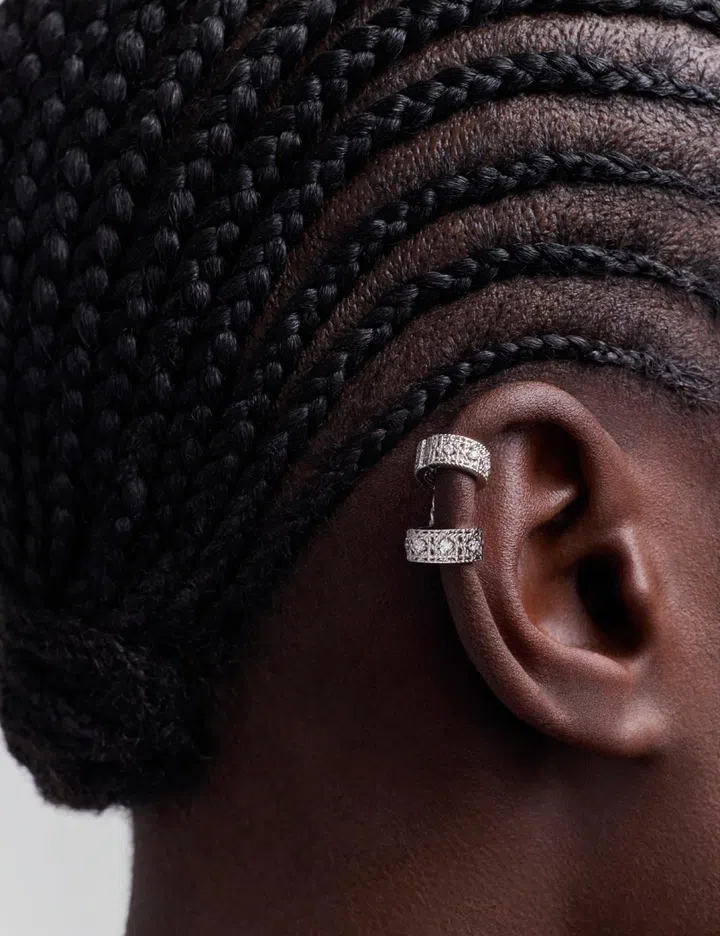
A standout piece in the collection is this stylish single ear cuff.
Now, the new My Dior collection presents 15 standout pieces, from rings to cuffs, all crafted in 18K gold (choose from white, yellow, or pink). Intricately sculpted Cannage patterns adorn everything from delicate hoops to chunky bracelets, demonstrating that latticework jewellery can be both elegant and versatile. While the intricate design may appear delicate, the collection adapts effortlessly to various styles. A standout feature is de Castellane’s use of shiny gold or lacquer layers at the base of the pieces. This technique cleverly conceals the skin beneath, creating a subtle “is it there or isn’t it?” effect, adding depth to the designs.
So, if you thought sequels were risky, de Castellane just made a pretty solid case that some are totally worth the wait.
My Dior 18K pink gold ring, $4,550
My Dior 18K white gold ring with diamonds, $13,900
My Dior 18K pink gold ring with diamonds, $13,000
My Dior 18K pink gold bracelet, price unavailable
My Dior 18K yellow and 18K white gold bracelet, price unavailable
My Dior 18K pink gold bracelet with diamonds, price unavailable
My Dior 18K white gold bracelet with diamonds, price unavailable
My Dior 18K pink gold single ear jewel with diamonds, $8,200
My Dior 18K pink gold single ear jewel with diamonds, $7,650
My Dior 18K pink gold earrings, $6,200
My Dior 18K white gold cuff with diamonds, price unavailable