
Fiqri Nur Haziq Abu Bakar On Learning How To Love
For F ZINE’s latest issue, we asked five Gen Z creatives to interpret its theme, Coming of Age, through a personal essay. Here, we have social worker and public policy professional Fiqri Nur Haziq Abu Bakar, who has long been interested in questions surrounding inclusion, community and belonging, with welfare for the marginalised and advocacy against violence particularly close to his heart. It would explain the 27-year-old’s pursuits so far: a diploma in nursing, a bachelor’s degree in social work and, more recently, a master’s degree in public policy from New York University. In this essay for F ZINE, he unpacks his attitude towards relationships as a 20‑something on a more personal level.
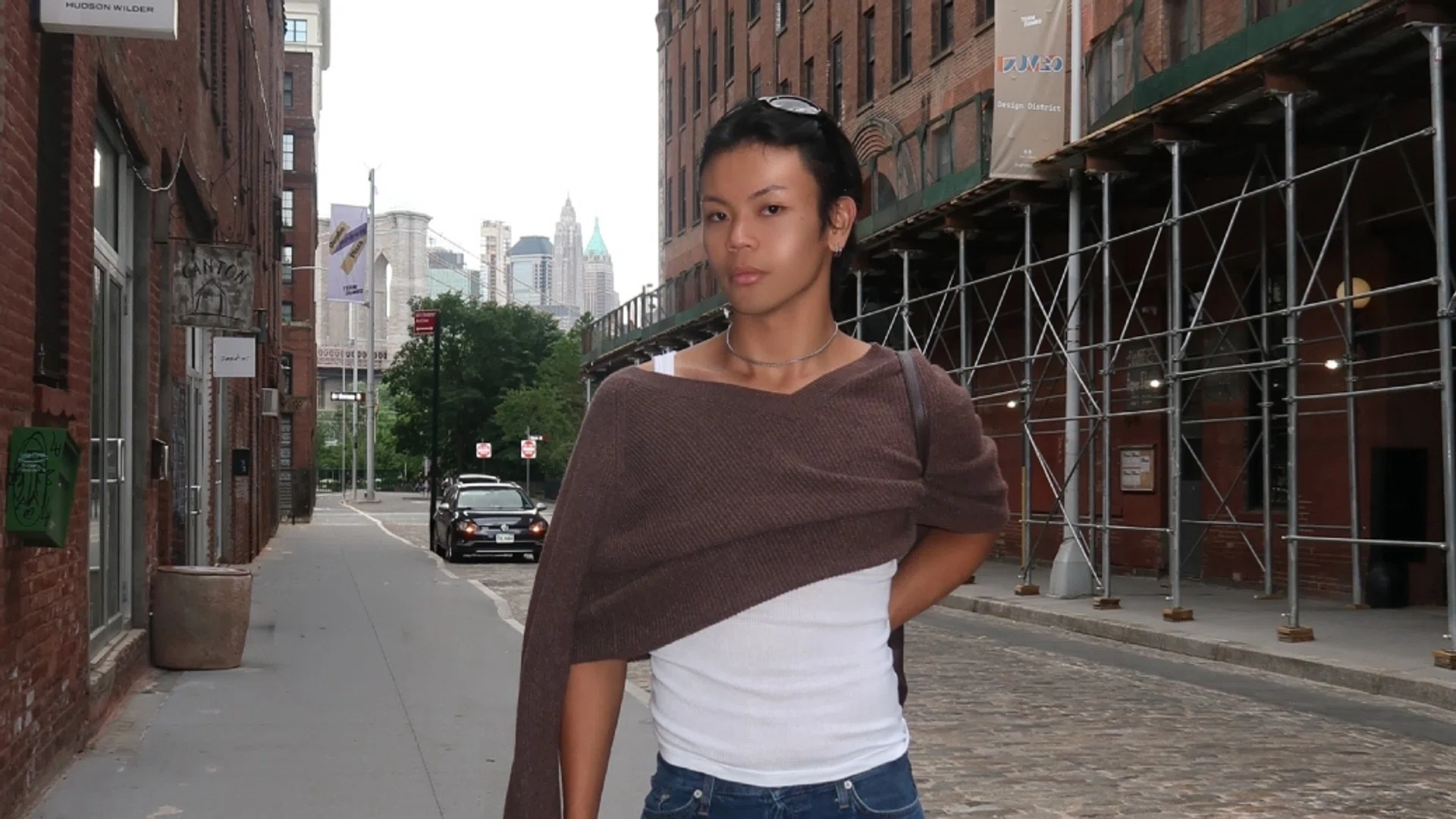
“Please invest your time, to learn to love me, even if it’s just a little bit. I promise I’m worth it.”
I wrote this plea on my phone for my eyes only back on February 17, 2019. How unfortunate that my yearning for love and belonging over the years has never faded; it has only amplified.
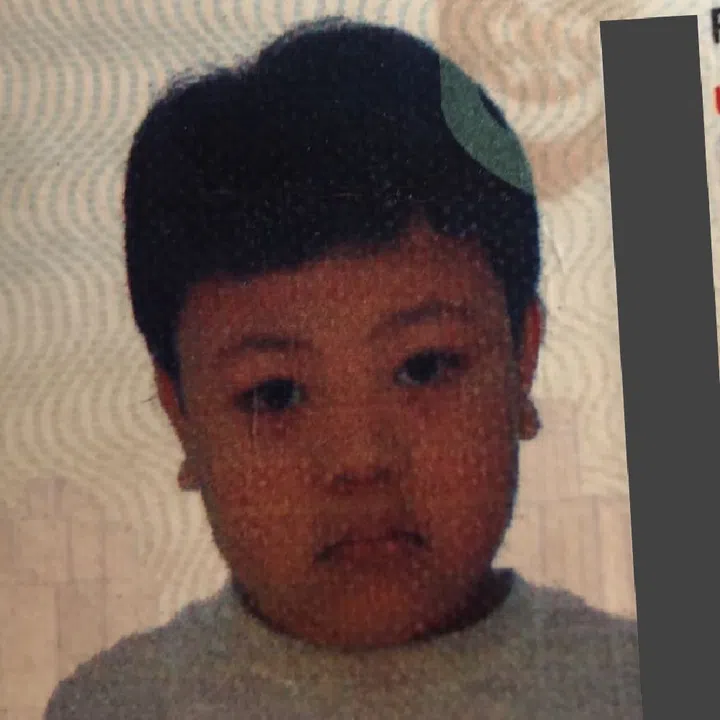
A childhood photo of the author
Today, I woke up aged 27. It feels like any other day. I am currently in a foreign country, having somehow convinced myself that being alone on my birthday abroad is better than being alone at home, in my own bed. It has been a birthday ritual since I was 13 to peruse a photo album of my younger self. How sad, I whisper under my breath. Remarkably, despite the tumultuous environment that characterised my childhood, photos of me from ages six to 13 show me wearing the biggest grin. Oh, it is a smile I miss dearly.
With each passing year, my body feels different. A heavy, dull sensation grows in my chest. Questions about love and belonging have plagued my twenties: What is life without connection? Will I ever be in love? Can true happiness exist without it?
Blowing out candles and making wishes has proven asinine; I have wished for things that never came true. Through adolescence and young adulthood, I spent most of my days alone, wishing for my phone to ring, for mornings brushing teeth side by side with someone dear, for a shoulder to lean on, for someone. If you asked me how I truly feel, I’d paint you this picture: I am floating on a vast body of water, moving passively with its every rise and fall, neither sinking nor swimming. As I grow older, though, the water begins to engulf me. Yet, I do nothing but wish for someone to bring me ashore and give me warmth.
I had never gone on dates back home in Singapore. So when I moved to New York City last August, I made a promise to myself to open up and possibly find love. Nobody knew me there; I thought I was a clean slate. But the transient nature of the city only intensified my isolation. Loneliness depleted my soul until my body felt like an empty shell. In an attempt to fill that void, I found myself in the beds of strangers, allowing my body to become a mere object. While others sought casual encounters, I, a novice, took everything too seriously.

A photo of Central Park in New York City during a biting winter taken by Fiqri
My phone did finally ping, but not like I had hoped for. “Breaking news: New York City is facing its coldest, snowiest winter in 11 years.” Everyone was advised to stay indoors, but by then, my shoebox apartment felt really suffocating. So I found myself in the middle of Central Park, a stain against a white canvas; the universe had a funny way of mirroring my internal void on the outside. I hadn’t worn enough layers, but I was almost grateful for the cold pricking my skin. Slowly, the physical pain diverted attention from the ache in my heart. There, amidst the storm, I finally allowed myself to cry.
Truth be told, love as a concept remains hard to grasp. Contempt, on the other hand, is much easier to understand. Your dad’s a wife‑beater. Your mum’s a whore. Caught in this crossfire growing up, my early understanding of safety was about thickening the soles of my feet to walk on the glass shards left around my home.
The love I was first introduced to by my parents was a rigid form of control, governed by rules:
To love was to never burden. To love was to remain silent. To love was to obey.
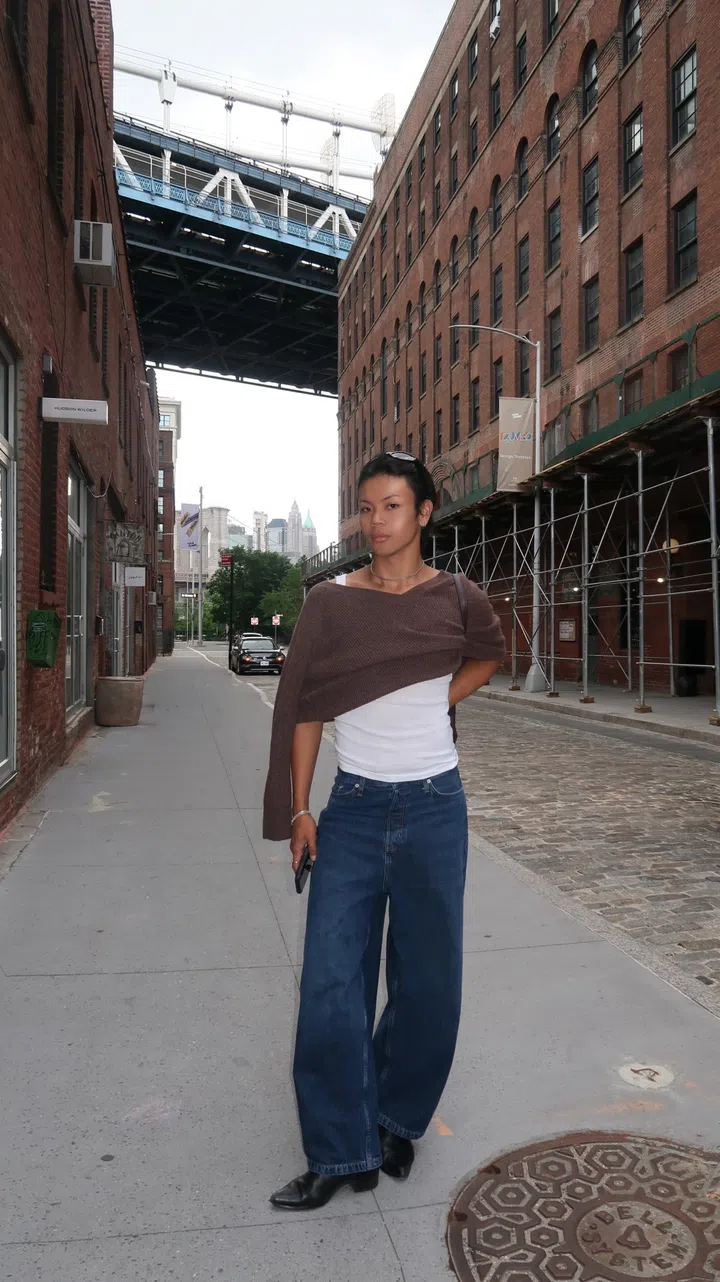
Fiqri in New York, the city where he felt more liberated to explore other facets of his identity.
But love, I’ve come to slowly realise, seems to demand that I break every single one of them. Love asks me to lean in. Love asks me to speak. Love asks me to risk becoming a burden just to be known. Alas, when you are a child of violence, your instinct is to protect your inner self. Baring yourself to another feels like subjecting yourself to more pain. Isolation feels safest. Not because it’s what the heart yearns for, but because it’s what the brain uses to keep you afloat.
Abashedly, someone caught my eye at a party recently. When they walked in, I had an immediate, visceral reaction: My body felt hot and my palms grew sweaty. I tried at every moment to talk to them without making eye contact. Usually composed, I was completely all over the place. I hate losing control.
“I have a crush,” I later admitted to a mutual friend. “That’s exciting!” they said. “No,” I replied. “It makes me sick to my stomach.”
Yet, this person appeared in my dreams. They were there, carrying me out of the freezing sea, keeping me warm. When we met up a couple of weeks later, anxiety flushed all over me. I could feel, not see, hands around my throat, asphyxiating me. So I dissociated and played pretend like I always do, hiding my truest feelings and intentions. I’d always been the passive one in my relationships, with friends and family alike. Even when I try to let someone get close to me, my body instinctively reacts; it’s as if it’s telling me that I am in danger.
Whenever attraction flares, I run naturally. I’d fixate on the person, but then use their flaws as a spark to burn down any desire I have for them before they can hurt me. They must not like me anyway, I’d tell myself, victimised by my own mind.
To love is to tear down the walls that keep you safe. You bare yourself so the person you love can see you as you are. But when your entire life has been built on self‑preservation, baring yourself feels like inviting pain. No one has ever seen beyond the epidermis of my life. I fear that when I’m gone, no one will remember me, the true me. Maybe one day, someone will… I left my whisper unfinished to a photo of my younger self.
At 27, I am beginning to realise that I am tethered to my pain, one that I learnt many years ago. That the pain exists only in my mind now, serving no purpose other than to diminish my existence. Maybe love is about severing ties with the child you’ve longed to protect, about relieving yourself of the pain you’ve carried. Even so, I am hopeful. Somewhere out there, love exists for and within me.
And if you happen to be reading this … however foolish wishes may be, I still wish you would come and… hold me warm.
If you are affected by domestic violence, or know someone who is, contact the National Anti-Violence and Sexual Harassment Helpline at 1800 777 0000 (24 hours).
This essay was slightly edited for length, clarity and style. The views expressed are solely those of the author. It first appeared in F ZINE’s Vol 10 issue.