
Out Of Office: Sam Chua, Gymnastics Coach And Former USS Performer
In this edition: the 29-year-old Singaporean who went from competing as a SEA Games wakeboarder to performing at Universal Studios Singapore, and is now carving out his own path across performance, coaching and creative pursuits.
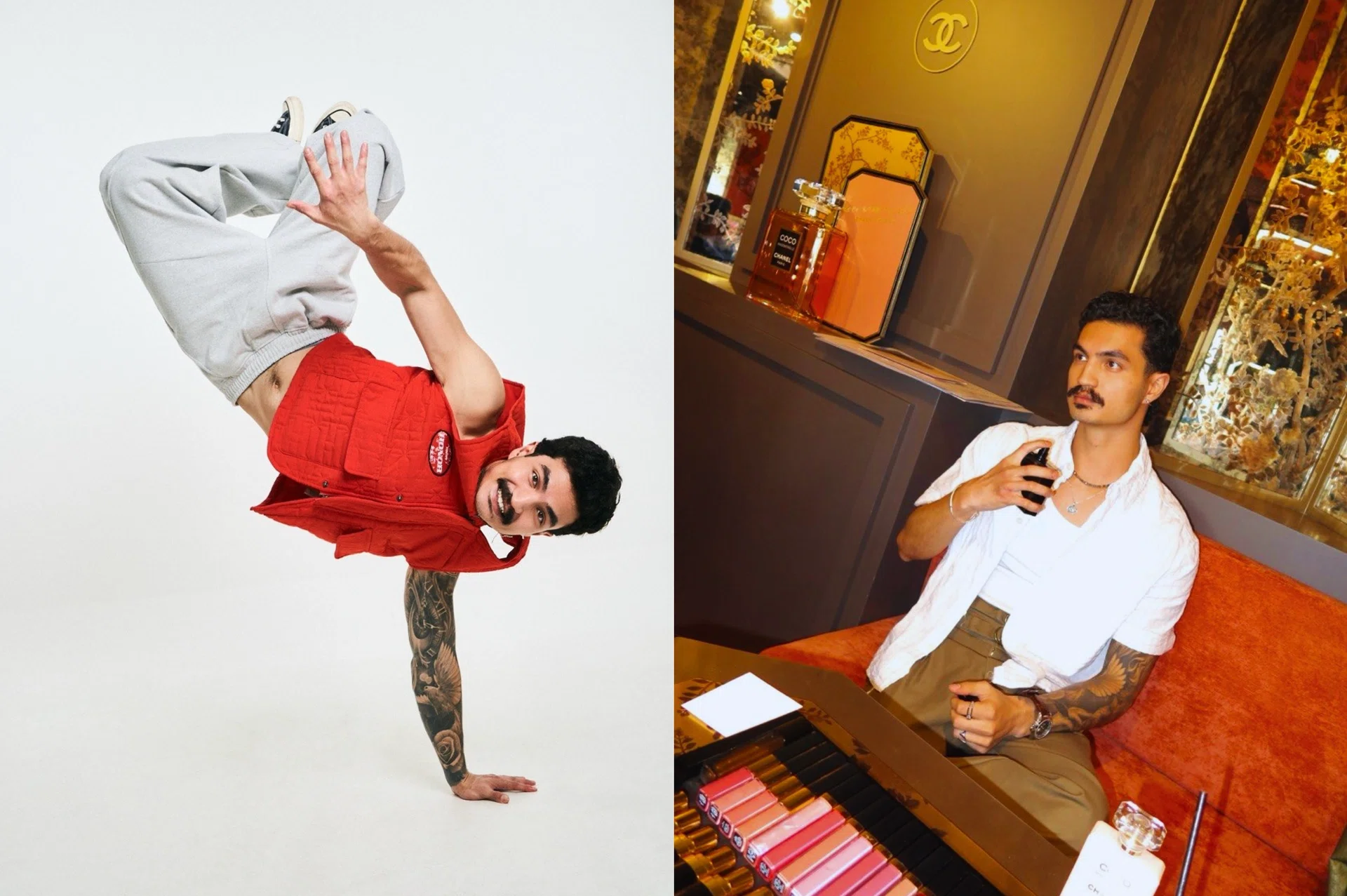
Out Of Office is a new series that follows Singaporeans who’ve logged off the standard career script to chase their own versions of success – consider this a study of work, ambition and life beyond the default settings.
WHO: Samuel Chua, 29, freelance performer and gymnastics coach.
WHAT HE DOES: Sam wears several hats as a performer, athlete and coach. After competing in wakeboarding and working as a full-time performer at Universal Studios Singapore (USS) from 2022 to 2024, he now pursues freelance opportunities across acting, modelling, dance and live performance while coaching gymnastics part-time. Outside of work, he’s exploring content creation, with interests spanning fashion, dance, and music.
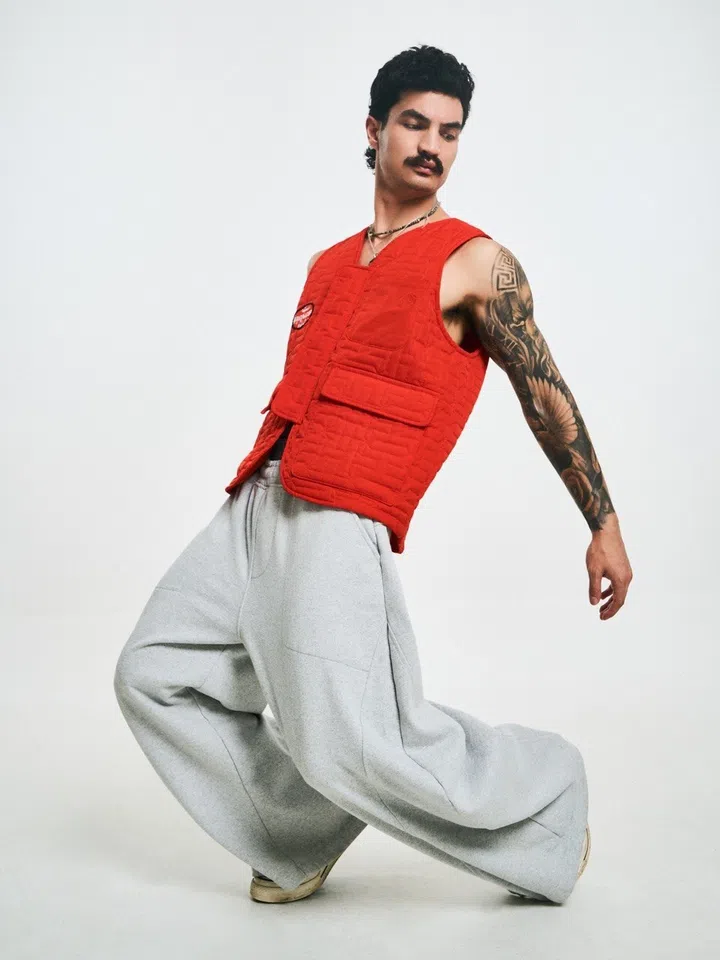
WHY KNOW HIM: Sam has been moving since the age of four, when his parents enrolled him in gymnastics. What began as an outlet for his boundless energy eventually led him to competitive wakeboarding, where he represented Singapore at the SEA Games in 2015 and 2017. Along the way, he also pursued theatre at Lasalle College of the Arts, graduating with a BA (Hons) in Musical Theatre before landing a full-time performing role at USS.
But his career hasn’t exactly followed a straight line. After sustaining an injury, Sam transitioned into gymnastics coaching, returning to the sport that first started it all. He now balances part-time coaching with freelance performance work and his own creative pursuits, navigating the uncertainties of an industry where opportunities aren’t always guaranteed. Here, Sam shares what it takes to build a career around movement, the realities of working in the performing arts, and why he believes it’s worth taking a chance on yourself.
You started gymnastics at four years old and later competed in wakeboarding at the SEA Games. How did you get involved in these different disciplines, and what drew you to pursuing them more seriously?
Sam Chua (SC): “My parents noticed how active and agile I was as a kid, so they enrolled me in gymnastics. I started competing locally and internationally, and I always believed in its benefits as a foundation for other sports.
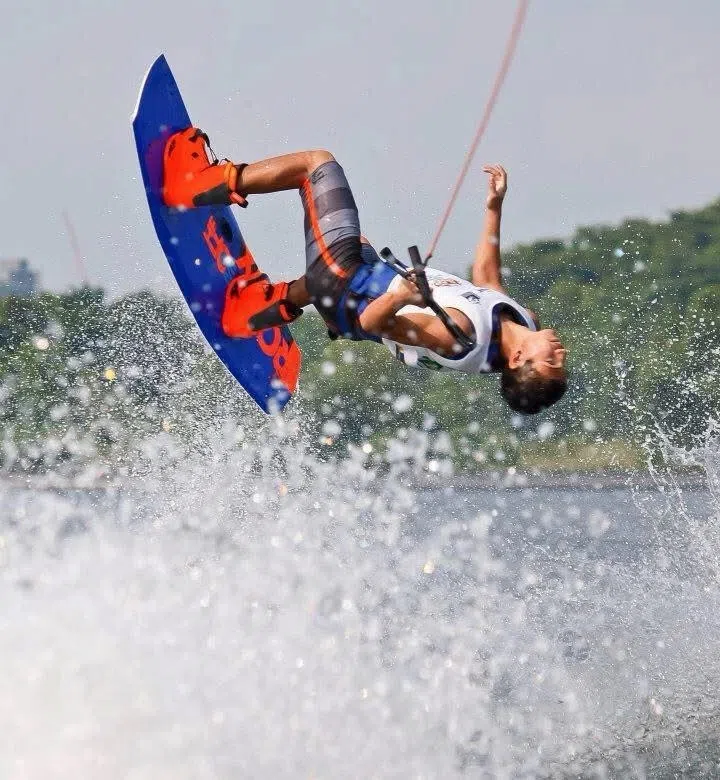
In 2010, my sister introduced me to wakeboarding through her friend Sasha Christian (Singapore’s first Asian Wakeboarding Champion), who was looking for potential riders. What started as a leisure sport eventually became competitive, and I went on to compete at the SEA Games in Singapore in 2015 and Malaysia in 2017.
What kept me going wasn’t just the competition or trying to win. It was the community and the people I met along the way. Once a competition was over, everyone was friends again, sharing tips and cheering one another on. That was one of the best parts of the experience.”
How did you land the role at USS and what did the job involve behind the scenes?
SC: “I applied online and submitted an audition video. I booked a studio to practise the choreography and added some of my own style to show a bit more of my personality. I didn’t think too much of it after submitting, so receiving the email congratulating me on getting the full-time contract was exciting.
My main role was as a specialised dancer in Rhythm Truck 2.0, a show combining dance, acrobatics and instruments. It was a high-intensity production that involved endless rehearsals, sometimes starting as early as 5.30am or ending at 9pm or 10pm. We also had to learn multiple roles and choreography variations to prepare for different situations, such as bad weather or an injured cast member.
Outside rehearsals and performances, I had to keep up with my own body conditioning and maintenance to stay fit and avoid injuries.”
What was your favourite part of working as a performer at USS?
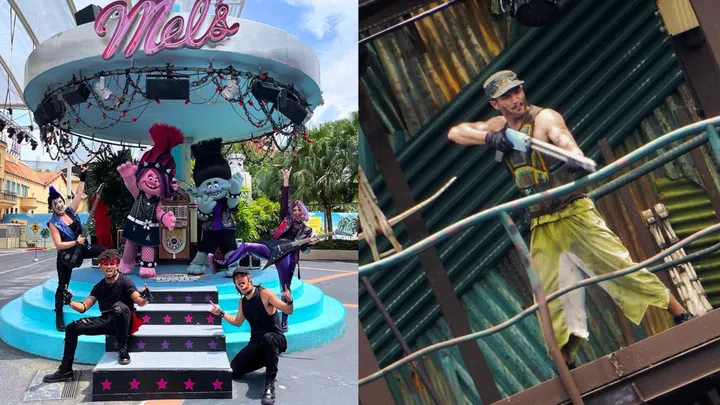
SC: “Working as a full-time performer felt as if I wasn’t working at all. It kept me on my toes, and every day was exciting. One of my fondest memories was performing in Rock and Trolls for the first time. Being around other creatives inspired me in ways I couldn’t have imagined. I loved being able to tell stories through an art form and interact with audiences, giving them energy and welcoming them into the world of the show.”
You eventually transitioned into gymnastics coaching after sustaining an injury. What drew you back to the sport, and what does your work as a coach involve?
SC: “I transitioned into teaching gymnastics because it was the next best thing I could see myself doing while still being creative and, most importantly, educating others and sharing my passion. Safety is always the priority in coaching. If I feel a student isn’t ready for a particular skill, I’ll revisit the fundamentals first. A typical lesson includes warm-ups, stretching, skill work and body conditioning, before ending with games that reinforce what they’ve learnt.”
What’s the most rewarding part of coaching?
SC: “It’s being able to build my students’ confidence and help them develop a stronger mindset when facing challenges or learning new skills. I don’t force them to get a skill right immediately. Instead, I guide them step by step and build enough trust and confidence for them to eventually get there. I’ve had students who were shy and less confident at the beginning, but through consistent hard work and determination, they pulled through. It’s not just about attaining the skill, but the effort and determination that go into it.”
You’ve worked across competitive sport, professional performance and coaching, which are quite different career paths from a conventional office job. What are some of the realities of making a living in these fields?
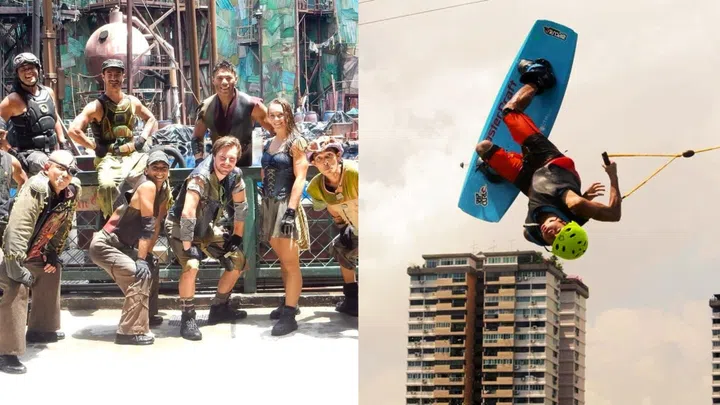
SC: “I think I’ve been blessed with the opportunities I was given by my parents. Without their utmost support I wouldn’t be able to pursue what I am doing today. I’d say if you are working in a theme park like USS as a performer, it is the most stable performing job but along [with it] comes a lot of working hours and you should take time to fully rest and recuperate. You are also easily replaceable in an organisation that big, with everyone competing to stay on top of their game. You have to be disciplined enough to maintain good health and work ethics.”
What do you think it takes to pursue a career in sports seriously in Singapore?
SC: “I think with the right mindset and sheer grit, you can go far in pursuing a career in sports in Singapore. But if you want to continue growing and improving your skills, a lot of the time, you need to gain experience and exposure from outside your usual environment. I say this because I used to train between Singapore and Thailand, and I think being exposed to what’s out there makes you hungrier, more inspired and more driven to achieve your goals.”
How do you see your career evolving from here?
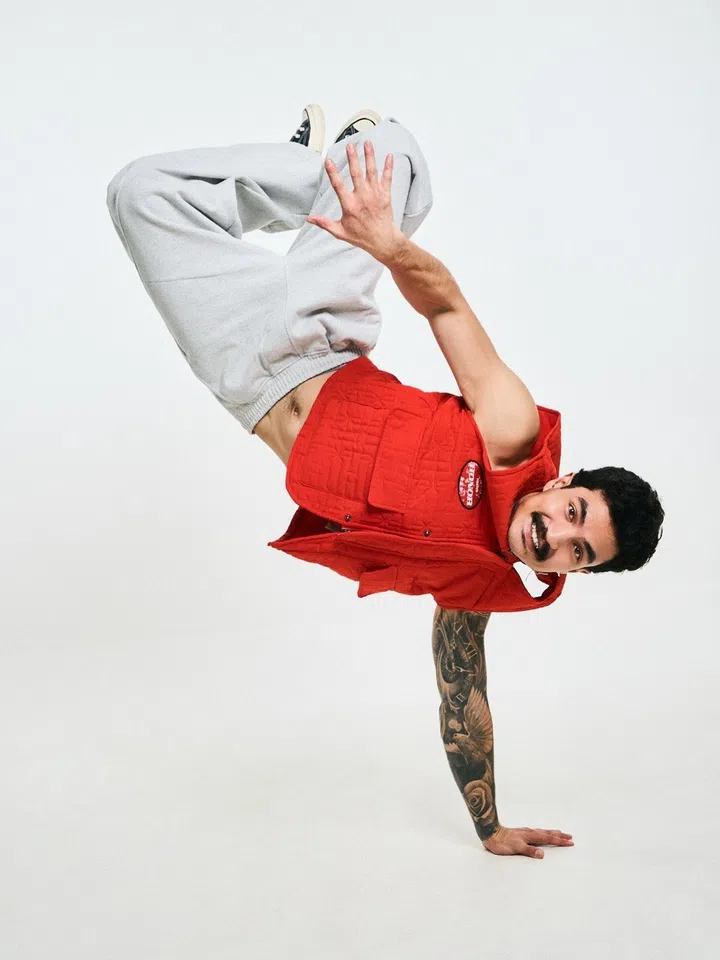
SC: “To be honest, I sometimes feel like a jack of all trades and master of none because I love doing so many things. It’s a blessing and a curse at the same time, haha! Right now, I’m working on my social media content, which includes singing reels, fashion, dance and lifestyle. It’s still a work in progress, and I have so much respect for content creators. They inspire me, and I hope to one day do the same for my own audience.”
What’s next for you? Are there any upcoming projects you’d like to explore?
SC: “I recently just did a gig for the after-concert Egress event for Big Bang. The next upcoming project would be for BTS when they come. Alongside that, I’ll continue teaching and sending out auditions because I still want to pursue a career on screen as an actor, stuntman and all-round performer. Competition is steep, but it’s still worth a shot because you never know who you’ll meet along the way!”