
We Used To Meet Here: Singapore’s Creative Third Spaces
A look into third spaces that helped shape Singapore’s creative communities — and what happens if they disappear.
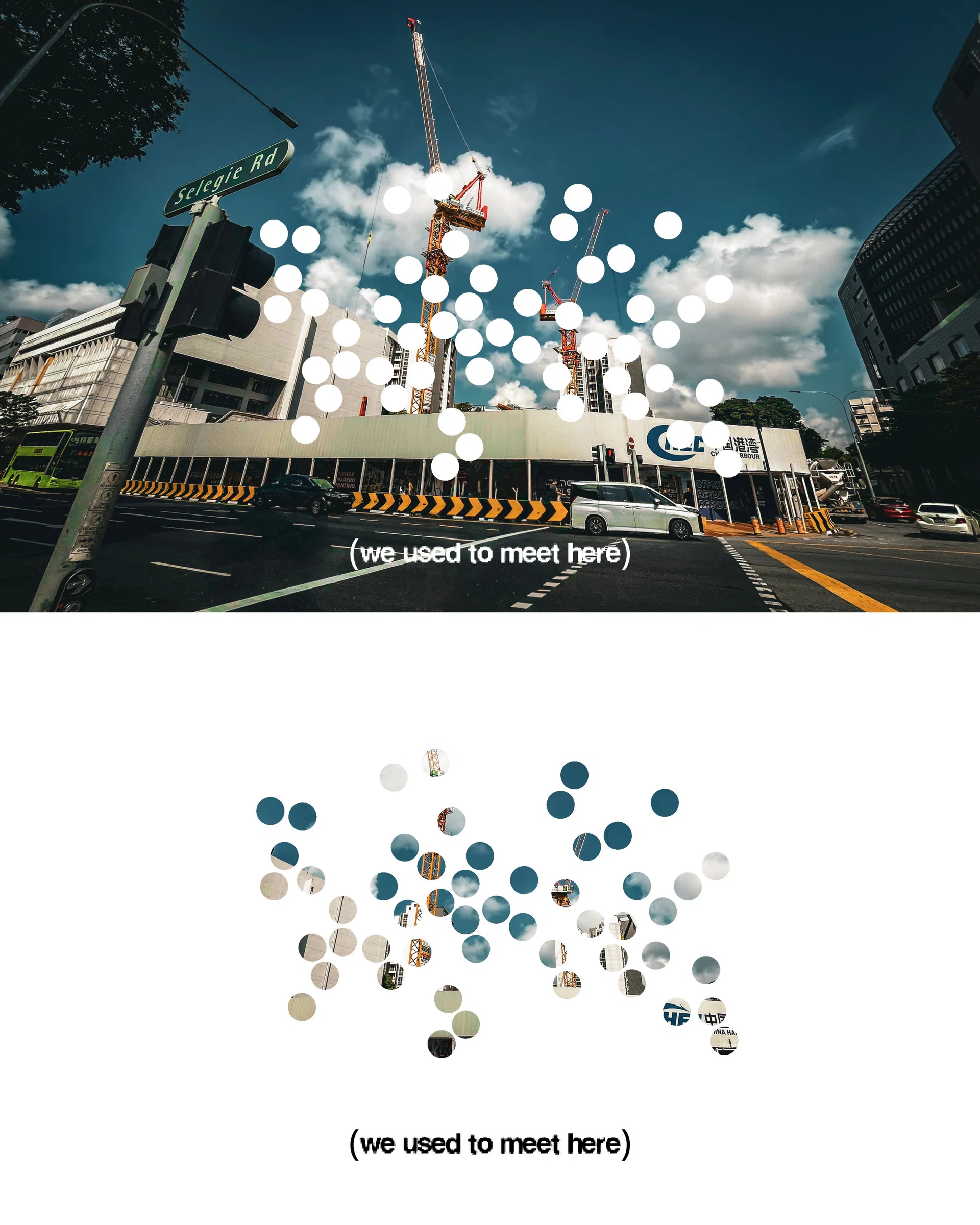
Hidden behind construction barriers and the constant churn of machinery, Peace Centre now exists as only a memory. Once vibrant with graffiti, music, and movement, it was a place where Singapore’s creative community gathered during its final moments not just to create, but to belong.
Before the crowds, the coverage, and the inevitable “catch it before it’s gone” posts, Peace Centre had already begun to shift. Once the building was largely abandoned and slated for demolition, street artists were invited in and given free rein over its soon-to-be-demolished walls. In a city with few designated spaces for street art, the response was immediate. Walls filled up quickly, rooms took on new purpose – most notably its toilets – and corridors began to feel inhabited again. What was meant to quietly disappear instead lingered, even if only for a moment, as something alive.
It existed in a paradox of sorts. In a place like Singapore where every space is meticulously planned and tightly controlled, Peace Centre briefly slipped outside of that system. There were no formal entry points, no fixed idea of what it needed to become. Its inherent lack of structure was what allowed for something rare to surface, a place where participation no longer required permission or approval.
It is this slow accumulation that gives third spaces their value, and also what makes them so difficult to replicate once they are gone. A third space is not intentionally designed into existence. It forms slowly through repetition, through return, and through people showing up. That is why it is fragile, as the conditions that allow it to emerge are the very ones that make it easy to lose.
That shift became more visible when PlayPan, a social movement aimed to drive positive change through “play for good”, stepped in. They introduced a temporary model that opened up parts of the building to artists, young creatives, and small businesses. Units were offered for free or at heavily subsidised rates, creating a rare condition where cost – often the biggest barrier – was temporarily removed.
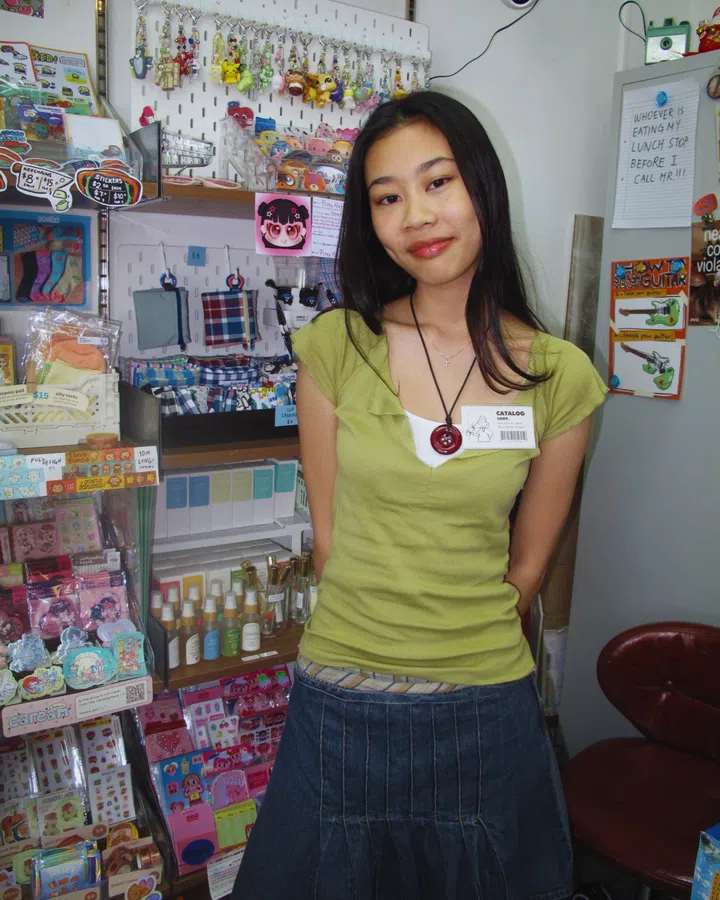
Roby, co-founder and former artist at Blueprint Art House.
This allowed youths, emerging brands, and independent artists to inhabit a space they otherwise might not have had access to. Blueprint Art House, made up of SOTA students and alumni, was one such example. Using the space to exhibit and sell their work, they turned it into a kind of living archive of their practices and experimentation.
“It was so fun,” recalls Roby, co-founder and former artist at Blueprint Art House. “Creating work there in its final months was so spontaneous, we just worked on everything as we went, week by week. It was super unplanned, but there were so many other artists in the space to give their support.”
That sense of support – casual, unstructured, yet constant – is what gave the space its pulse.
In its final months, Peace Centre experienced a sudden surge of attention. People who had never stepped foot inside began to visit and share what it had become. It’s a pattern that’s played out across Singapore before, where spaces only seem to enter public consciousness at the point of closure. Independent venues like The Projector saw a similar wave of attention, with many only discovering it when it was already on its way out.
This raises a difficult question. If that attention had come earlier, could the outcome have been different? Or are spaces like these – unregulated and artist-led – able to survive and remain long term, regardless of how much they are valued in hindsight? But maybe that’s not the only question worth asking.
Because what Peace Centre also showed is that people will show up, when given the space to.
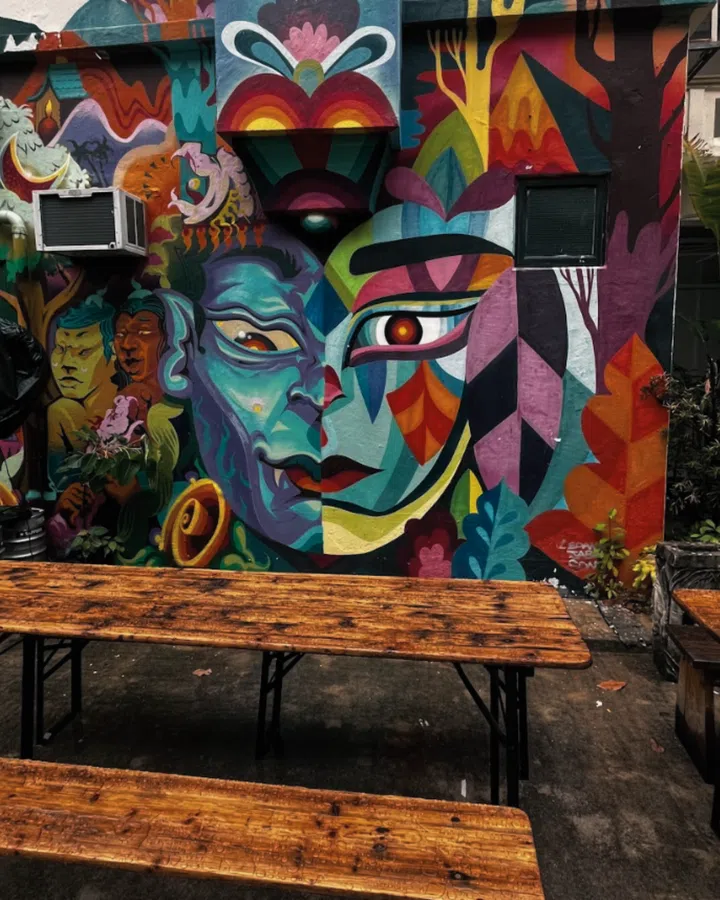
That’s what makes Pearl’s Hill Terrace feel different.
Unlike Peace Centre, it hasn’t reached its end yet, with its future remaining uncertain, currently being held in suspension. Following community resistance, redevelopment plans were pushed back to 2028, extending its lifespan while still holding the possibility of what comes next.
But instead of slowing things down, that uncertainty has done something else. It has made people lean in.
There’s a renewed energy across the building. New tenants have moved in, including Avant Culture Club, a record store that opened its first physical space there just this March. For them, Pearl’s Hill isn’t just a location but part of a larger ecosystem of people choosing to be more engaged with their community.
“It’s one of Singapore’s last remaining creative enclaves,” its founder shares. “People simply need to show up – that’s the only way we can show that spaces like Pearl’s Hill Terrace are worth preserving.”
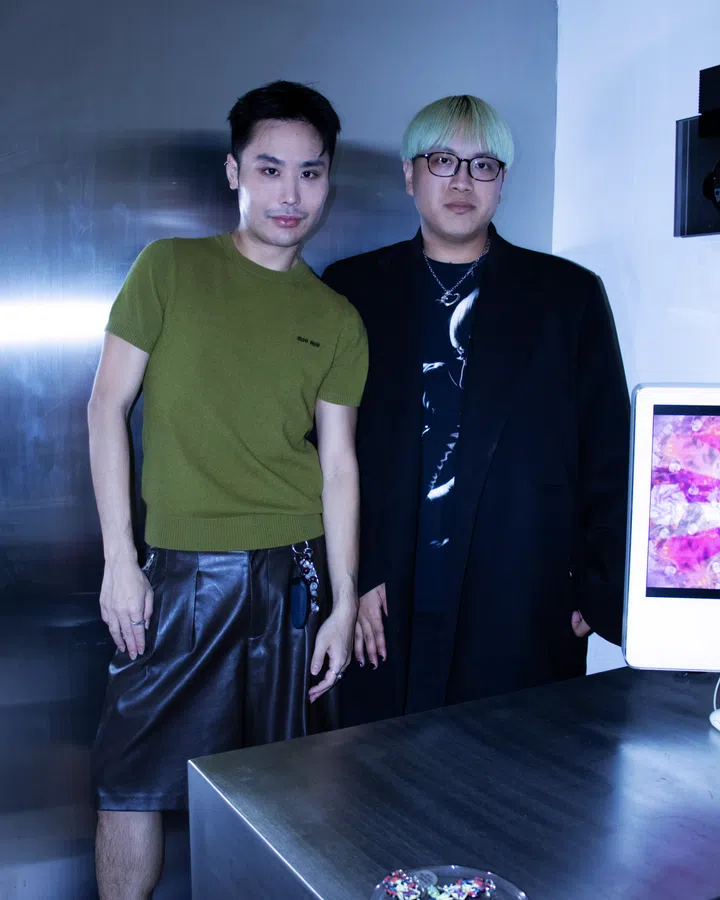
The people behind Avant Culture Club
At the centre of it all is Kult Yard, an outdoor bar that acts as the beating heart of the space. Sitting right in the middle, it reflects what Pearl’s Hill has become over time: a layered mix of music, late nights, and everyday moments that don’t need formal programming to feel real.
“If there’s a will, there’s a way,” says its owner, Zac Mirza. “This hill has a lot of history behind it—it’s a safe haven for creatives. Why would you want to break that apart? There aren’t many places that can offer that kind of space where people just come together.”
And that’s the thing. Spaces like this don’t survive because they are preserved perfectly. They survive because people continue to use them, return to them, and build something within them, even when the future is uncertain.
Peace Centre might be gone, but what it held didn’t disappear with it. It moved. It reshaped itself. It found new ground.
Maybe that’s what makes a third space last – not permanence, but continuity. Spaces shape the communities that gather within them, but communities decide what carries on, even when the space itself doesn’t.
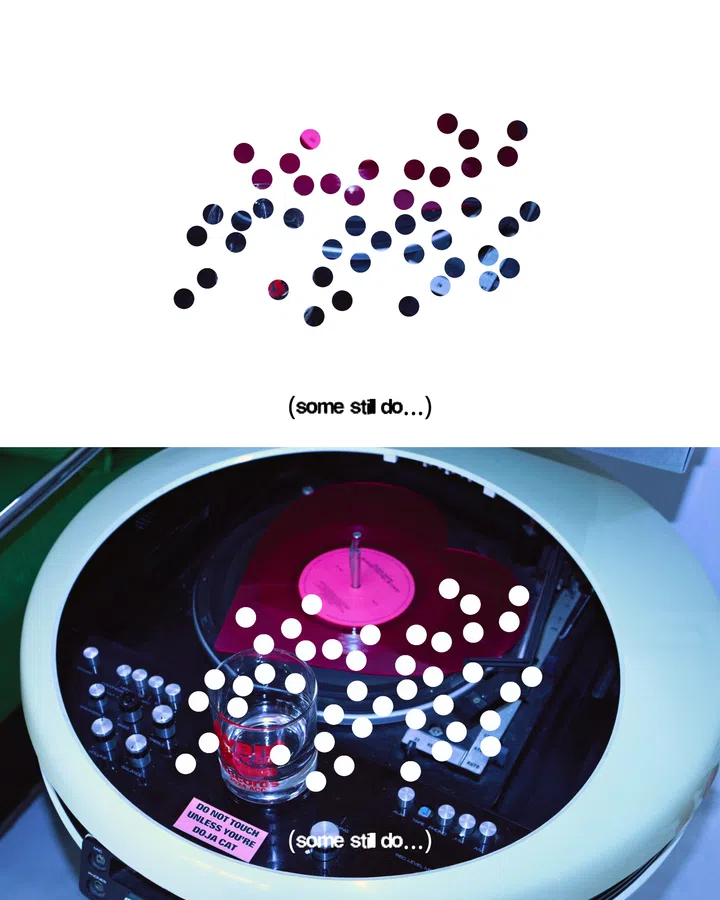
And while some people might walk by and say, “Hey, we used to meet here,” some still do.
This story was produced as part of F ZINE Labs – a youth-focused creative talent development platform by F ZINE that provides emerging creators with opportunities to experiment, develop industry-relevant skills and gain exposure through real-world publishing and media environments.
Through our ongoing partnership with LASALLE College of the Arts – now into its sixth year – selected final-year students from the school's Diploma in Creative Direction for Fashion programme were invited to develop original editorial projects exploring topics they believe matter to their generation, with standout works published on F ZINE's platforms. In keeping with the spirit of the initiative, the story has been published with minimal editorial intervention in order to preserve the creator's original voice and perspective.
The views, opinions and perspectives expressed in this story are those of the student creator and interview subjects, and do not necessarily reflect those of F ZINE.