
Why Studying Abroad Is A Mixed Blessing
After moving to London for a master’s degree in art history and archaeology at 24, Kelly Janine reflects on the highs and lows of this unconventional path.
Back in 2021, I was an undergraduate studying English Literature and Art History at Nanyang Technological University, where I came across Road To Nowhere: The Quick Rise And The Long Fall Of Art History In Singapore by art critic and curator T.K Sabapathy. The memoir traces his education and chronicles the development of art history in the region from the 1950s onwards.
It’s a book that still lingers in my mind, particularly one section in which Sabapathy says: “when students approach me expressing interests in pursuing studies in art history, I unhesitatingly tell them to pack their bags and leave for institutions in Australia, Europe or the U.S.A. as facilities for such studies do not exist here.”
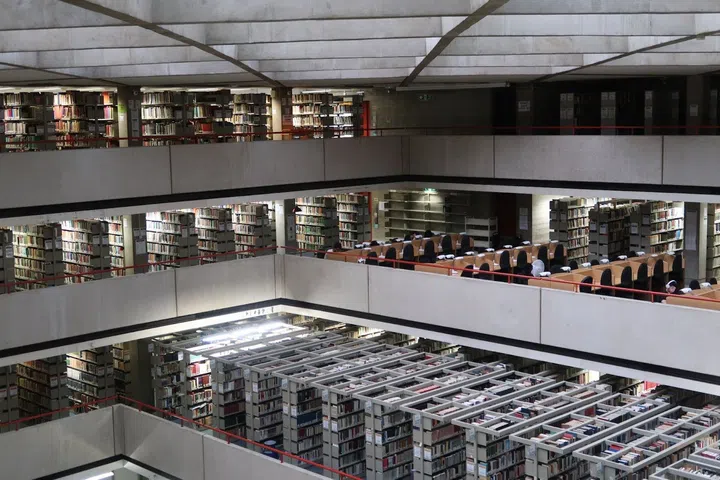
The SOAS Library, a major resource for studies on Asia, Africa, and the Middle East.
Why London?
Sabapathy’s words struck me deeply at the time. I had similar aspirations career-wise and a passion for Southeast Asian material culture from the pre-modern to contemporary. But there’s yet to be a local institution offering postgraduate studies for my interests. After consultations with academic advisors, I set my sights on the School of Oriental and African Studies (SOAS) in London for its library and specialised courses in global art history, curation, and heritage studies.
Then came the months-long process of writing proposals for college admissions, applying for funding, and anxiously waiting for a decision. News of a scholarship offered by the SOAS-Alphawood programme eventually came, and the next thing I knew, I was flying to Heathrow airport with 30 kilograms of luggage.
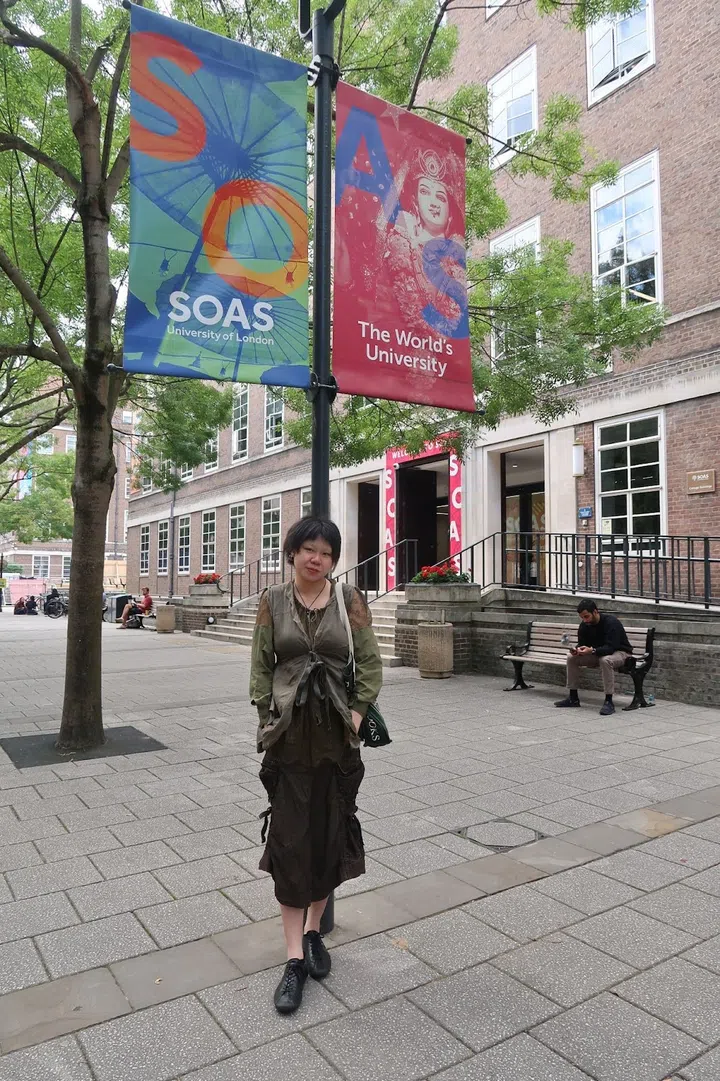
Visiting the SOAS campus in Bloomsbury, London.
What Studying Abroad Was Like
But was the grass greener on the other side? Not exactly. Adapting to London’s weather, cost of living, and post-Brexit social environment was stressful. Encountering phone-snatchers, transport strikes, and microaggressions in the Big Smoke is nothing out of the ordinary. Adjusting to the demands of a postgraduate degree in a new university’s system was another learning curve. While it wasn’t hard to make friends with people from different backgrounds, forming a reliable support system took time and effort. Homesickness didn’t hit me as hard, but navigating two time zones to maintain long-distance friendships made me lose more sleep than expected.
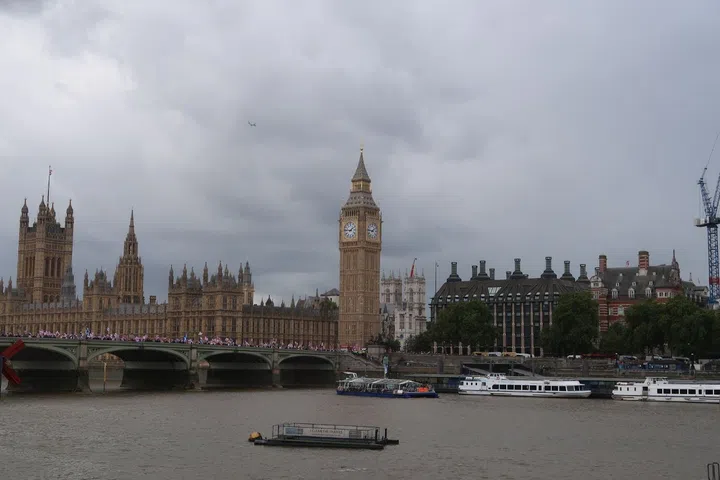
View of Westminster bridge during Tommy Robinson’s anti-immigrant march.
On the flip side, it was eye-opening to experience London’s music and art scenes through gigs, galleries, and exhibitions. Access to the British Library’s Southeast Asian manuscripts with a free reader pass also meant that I could request to see artifacts up-close and write my thesis on the objects in their collection.

Visiting the British Library to study an accordion-fold Buddhist funerary manuscript from 19th-century Thailand made out of khoi-bark and gold-foil.
Frequent visits to the British Museum, Royal Asiatic Society, and the Victoria & Albert (V&A) Museum further supported my coursework on the politics of displaying non-Western cultures and broadened my knowledge of the colonial histories behind Southeast Asian antiquities in Euro-American institutions.

A gold reliquary, headdress, and betel nut container once belonging to Burmese royals on display in the V&A Museum’s Southeast Asian gallery.
Class field trips to religious spaces like the Wat Buddhapadipa in Wimbledon made for thought-provoking discussions on transferring Thai Buddhist culture and monastic practice outside of Asia.
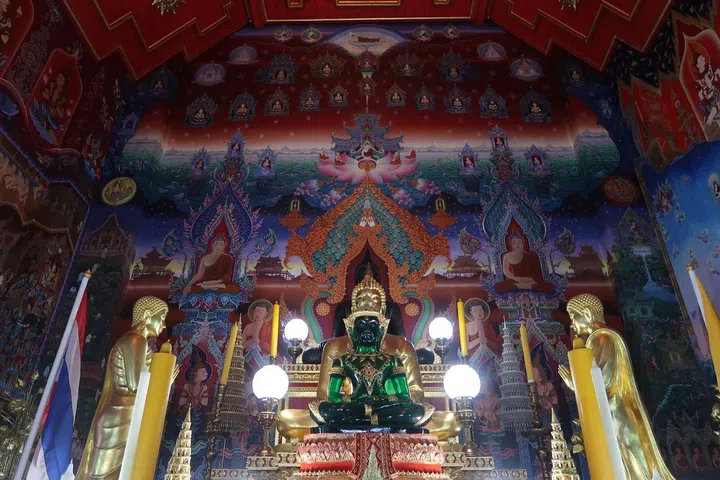
Inside the ordination hall of Wat Buddhapadipa in Wimbledon, London.
It was also eye-opening to experience countryside towns and cities in England and Europe as the pace of life is slower compared to in central London and Singapore.
Financially, studying in London adds up. If it weren’t for my scholarship’s generous funding, the cost of my one-year abroad would’ve been around £64,6445 (S$110,747). Here’s a rough breakdown:
Tuition fees: £25,320 (S$43,348)
Confirmation of Acceptance Deposit: £4,000 (S$6,848)
Visa and health insurance on application: £1,266 (S$2,167)
Stipend allowance per annum: £18,700 (S$3,2014)
Postgraduate Hall Accommodation: £14,381.50 (S$2,4621)
Flights in September 2024 and 2025: £1,021 (S$1,749.25)
Budgeting expenses, cooking meals from scratch, and constant hypervigilance is the reality of living in London alone as a femme-presenting person—especially when earning money for international students is complicated. Though part-time jobs are an option, it’s hard to land one that accommodates class timetables and you’d have to balance school on top of those 20 working hours per week.
Academically, it’s rigorous given the volume of weekly readings to complete. Every module’s assignments had roughly the same deadlines. Once April came around, I had to propose my dissertation topic and write a 10-000 word paper by early September.
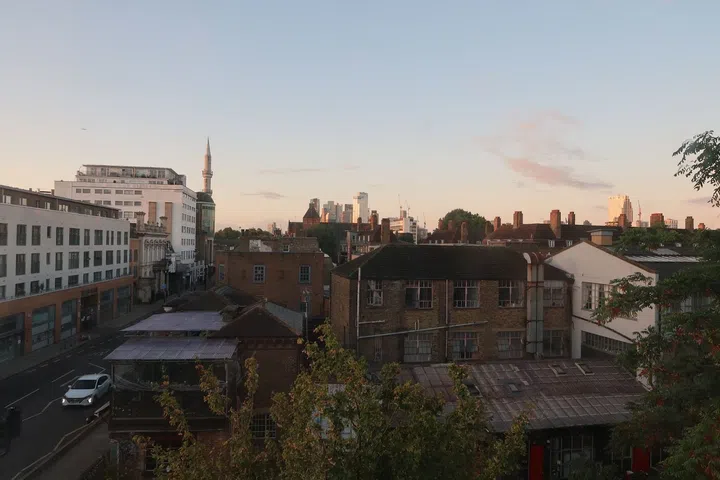
Watching the sunrise at my friend’s flat right before leaving for Singapore.
Then came the hard goodbyes, stressful packing, and sobering return flight a week after online submissions. It’s a disorientating feeling to navigate and nothing quite prepares you for it. Singapore still looks the same as I left it, but experiencing it now feels vastly different.
So, was it worth it?
Despite how taxing the past year has been, I find my time in London rewarding because of the challenges I overcame and the like-minded people I’ve met. The chance to study pre-modern Southeast Asian art history (with artefacts and no bell-curves), experience cultural exchanges, and rewire my brain were only possible because I left Singapore.
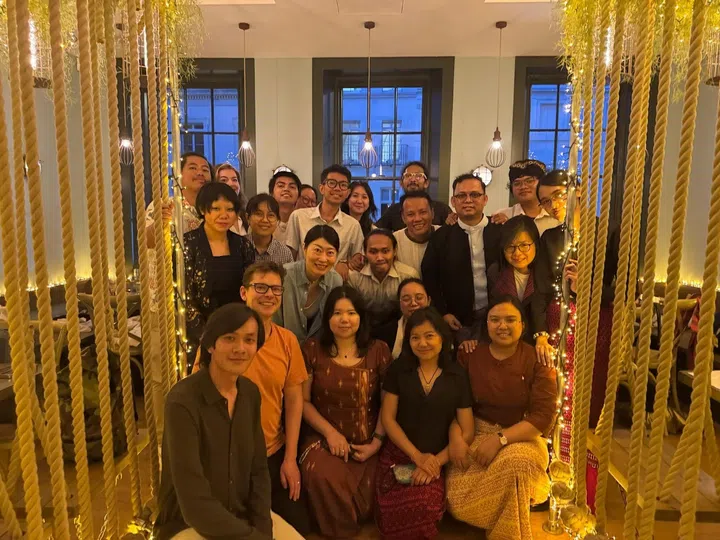
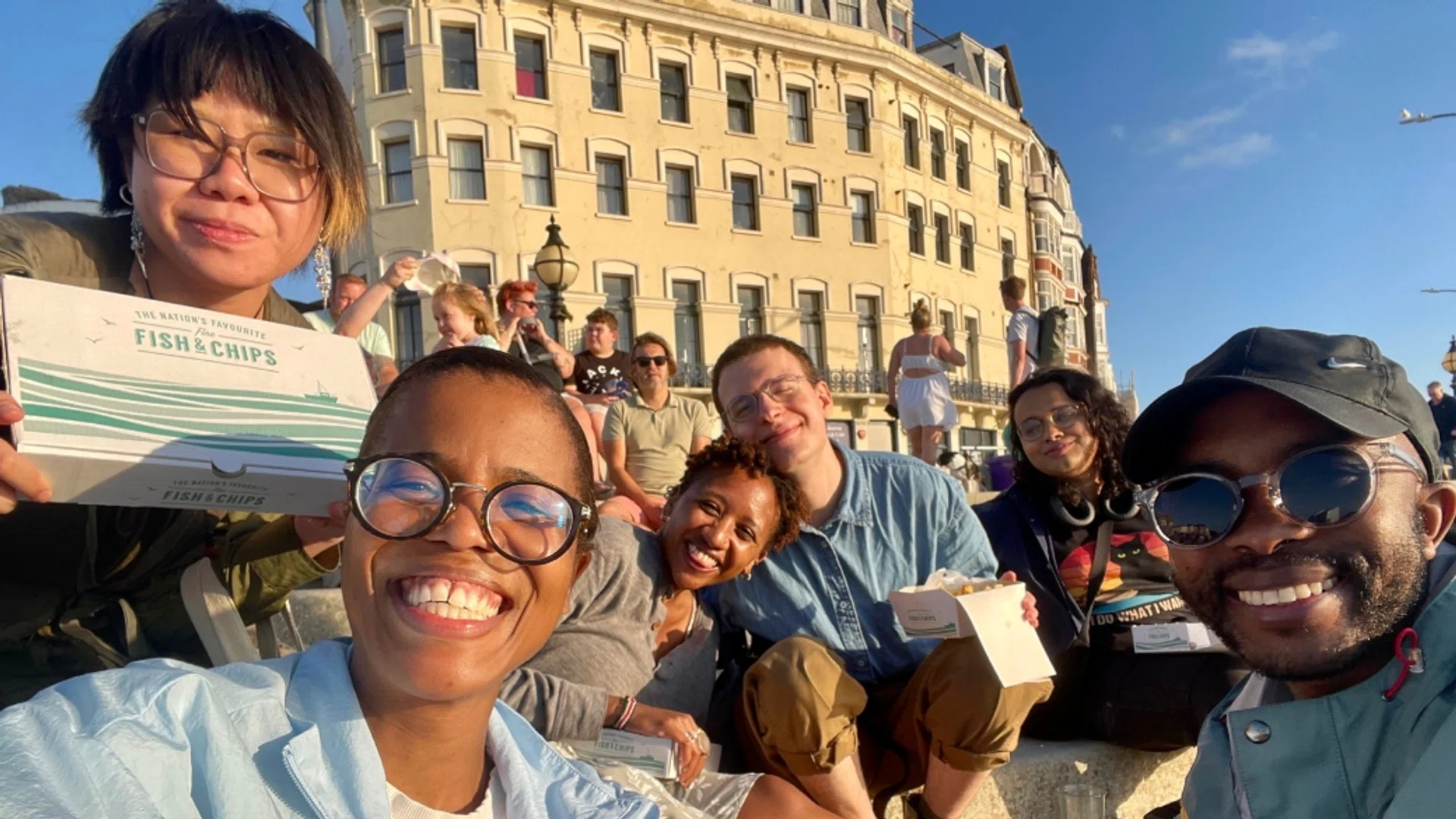
2025 cohort of the SOAS-Alphawood programme.
My verdict on whether studying abroad pays off comes down to intentionality and the willingness to sacrifice comfort for personal growth. It’s choosing self-actualisation without letting a hefty price tag get to your head every day. It’s one thing to absorb critiques from esteemed academics who push your thinking further. Independently shouldering more responsibilities and advocating for yourself to take up space in a big city is something altogether.
Contrary to what’s on social media, being an international student comes with twists and turns. Sometimes, you’ll struggle to be present and the guilt of being away to work on yourself creeps in. Sometimes, your insecurities heighten and you question everything—from how well you speak English to the cultures you’re perceived to represent. Sometimes, you’ll find connection with a ragtag bunch of misfits who redefine your sense of belonging.
Advice For Those Looking To Do The Same
Nonetheless, completing a postgraduate degree is a heavy investment that doesn’t guarantee a higher salary or employment in today’s competitive job market. Without careful financial preparation and a clear sense of direction, studying abroad might create more problems: homesickness, drained savings, and opportunity costs (or overqualification for some entry-level roles too). Especially for arts and cultural institutions, full-time jobs and contract roles require certain employment backgrounds, educational qualifications, trustworthy referrals, and writing samples (iykyk. I consider myself lucky to find work in a sector I’m passionate about soon after returning to Singapore).
To be fair, taking the road less travelled isn’t pointless. It’s meaningful once you’re certain about your ambitions, capable of supporting yourself financially, and brave enough to take leaps of faith provided the opportunity to study abroad arises. If this sounds like your cup of tea, hop on that flight for a change of view. A dream is often solo.
*Disclaimer: The views and opinions expressed here are those of the author and do not necessarily reflect the official position of F/Zine or its editors.