
Why We’re All Obsessed with Blind Boxes: The Labubu & Pokémon Craze Explained
Cute, chaotic, collectible… and lowkey addictive?
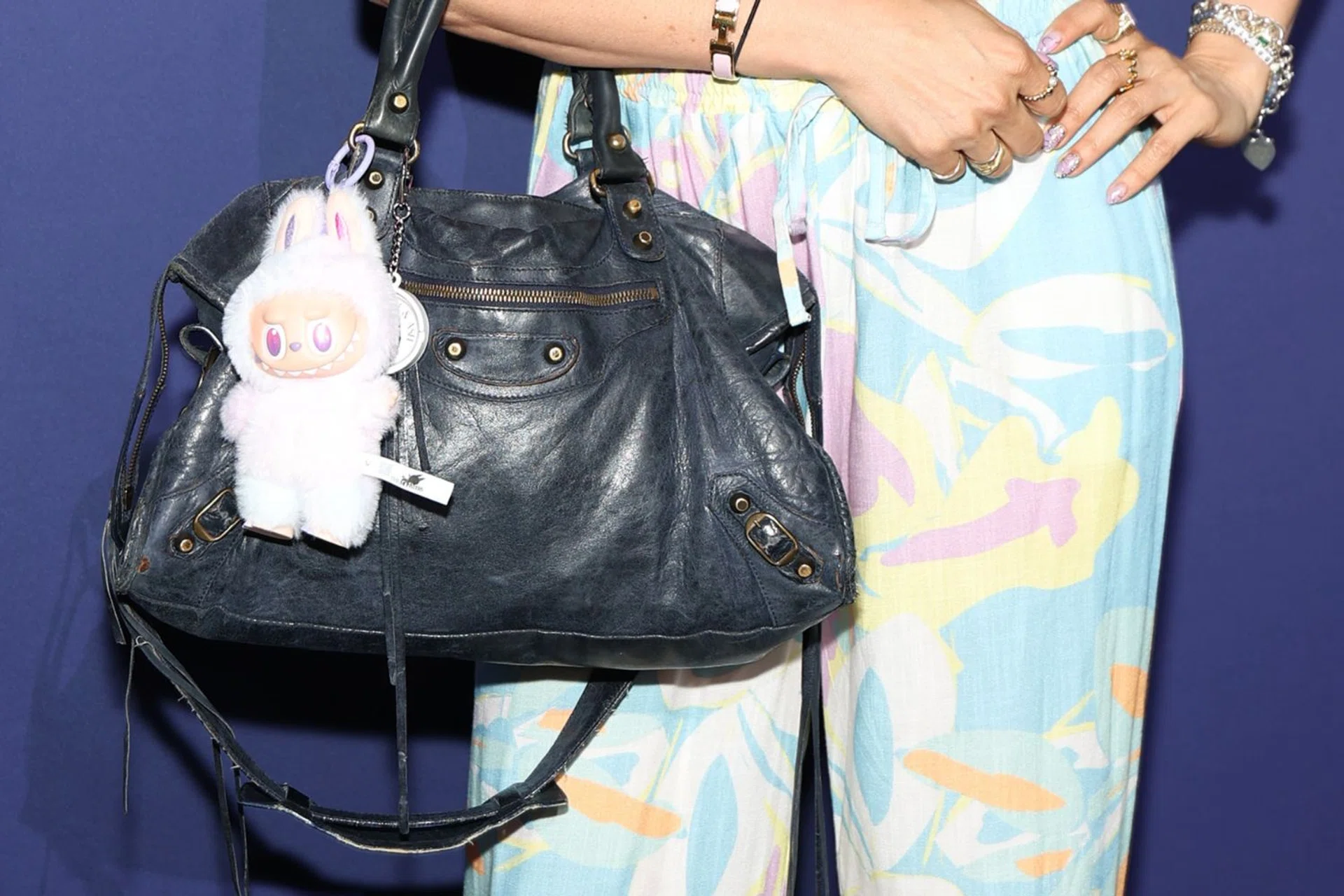
Walk into any Don Don Donki or ActionCity outlet, and chances are you’ll spot someone hovering over a shelf of cute, cube-shaped boxes, debating whether to “just get one more.” Maybe you’ve even been there yourself with palms sweating, heart racing, hoping this is the box with the character you’ve been eyeing.
Well, you’ve just entered the world of blind boxes. They are the wildly popular collectables that are part toy, part mystery, and 100% addictive.
What’s in the box?
At first glance, a blind box is just a sealed package with a mystery item inside. It could be a series from Pop Mart’s Skullpanda, a set of Sanrio figurines, or Tokidoki’s unicorn-themed collectables. But the thrill lies in not knowing which character you’ll get until you rip it open.
Each series typically has a lineup of six or more designs. In some series, there’s that one “secret” figure that everyone wants and almost no one gets. You can’t choose your figure, you can’t peek, the odds may or may not be in your favour, and that’s the point.

From cute collectables to cravings
So, why are blind boxes so addictive?
It comes down to the way they mess with your brain’s reward system. The uncertainty of not knowing what’s inside and the thrill of possibly scoring that one rare figure trigger a spike of dopamine, the chemical responsible for pleasure and motivation. It’s the same neurochemical reaction associated with gambling, and blind boxes employ it masterfully.
“The use of variable rewards, the same psychological mechanism behind gambling, taps into a dopamine feedback loop that drives impulsive, repeated purchases. This unpredictability keeps consumers coming back, often chasing a rare item despite knowing the odds are low,” said financial consultant Sissi Goh.
Then there’s the collector mentality. Completing a full set feels satisfying, almost like finishing a puzzle. But when shops don’t sell the full set and you keep getting everything but the one you want, it just makes you want to buy more to even out the odds. This is what psychologists call the “sunk cost fallacy”. The more time or money you’ve already invested, the harder it is to stop.
Add in a dash of FOMO, especially when you see others unboxing their lucky pulls on TikTok or Instagram, and you’ve got the perfect storm. For some, it’s not just about the toy but rather, the chase, the thrill, and the flex.
A toy or an investment?
Surprisingly, blind boxes aren’t just a black hole for your bank account. They can also be a form of investment. Some collectors treat them like trading cards or sneakers, flipping rare figures for profit.
Chris Lum, Head of Sales of Saxo Singapore, shared with us, “Blind boxes can be seen as a form of alternative investment similar to pokemon cards or other collectibles. Like every investment, its value will depend on supply and demand. If the demand for some of these items like Labubu, for example, persists, then it can be a form of investment.”
Limited collaborations, like Pop Mart x Disney or Tokidoki x Hello Kitty, often become collector’s gold. Over time, as these editions get discontinued, their value can rise. But like all forms of speculative investments, there’s risk and market hype fades. What’s hot today might be bargain-bin material tomorrow.
“[Investing in blind boxes] is speculative at best and shouldn’t be confused with a sound investment strategy. Blind boxes are inherently high-risk. You have no control over what you receive and rare items are intentionally scarce. The secondary market is also volatile and heavily driven by hype, meaning that values can crash as quickly as they spike. Additionally, there’s low liquidity. Selling a figure isn’t as simple as selling a stock: you need to find the right buyer at the right time. Unless you have deep knowledge of the market and are prepared for losses, blind boxes function more like gambling than investing. They can be a fun hobby with upside, but not a reliable or strategic way to grow wealth,” highlighted Sissi.
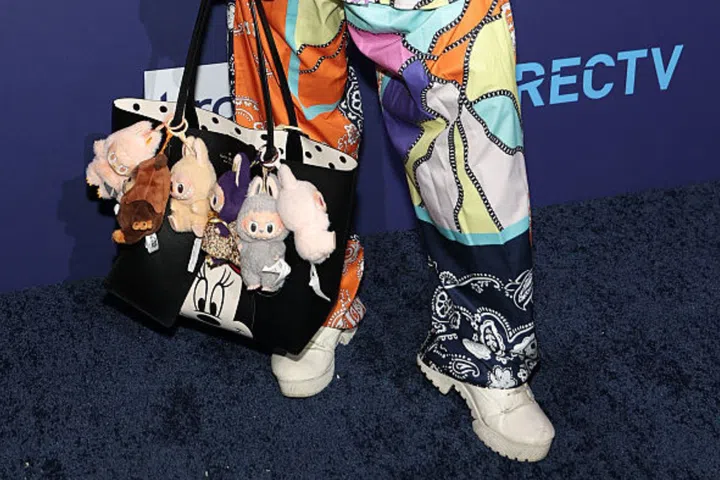
When the hobby becomes a habit
For most people, blind boxes start as a fun way to treat yourself. But when you find yourself spending hundreds just to hunt down one missing figure, it might be time to take a step back.
“Over time, these seemingly small purchases add up, leading people to underestimate how much they’ve actually spent. ... More concerning is how blind boxes normalise impulse spending and distort value perception, particularly among younger consumers, making it easy to overlook the financial cost,” said Sissi.
Here are a few ways to manage the urge:
Set a budget. Before walking into a store, decide how much you’re willing to spend and stick to it. Treat it like an entertainment expense, not an investment.
Trade smart. Join local collector communities on Telegram, Reddit, or Discord where you can trade dupes instead of buying more boxes.
Delay gratification. Try waiting 24 hours before making a purchase. That “gotta have it now” feeling often fades with time.
Be honest with yourself. Are you collecting because you love the designs or because you’re chasing the thrill?
The bottom line
Blind boxes are a perfectly engineered dopamine machine. With their blend of surprise, rarity, and aesthetic appeal, it’s easy to see why so many have fallen for them.
There’s nothing wrong with enjoying a little mystery once in a while. But like bubble tea or Shopee sales, moderation is key. Keep it fun and intentional, but don’t let the box control you. After all, the real flex is knowing when to stop.