
Young Bosses Share Their Playbook For Kicking Off Your Business Like A Pro
Because entrepreneurship requires more than just a risk-taking streak – it needs solid advice
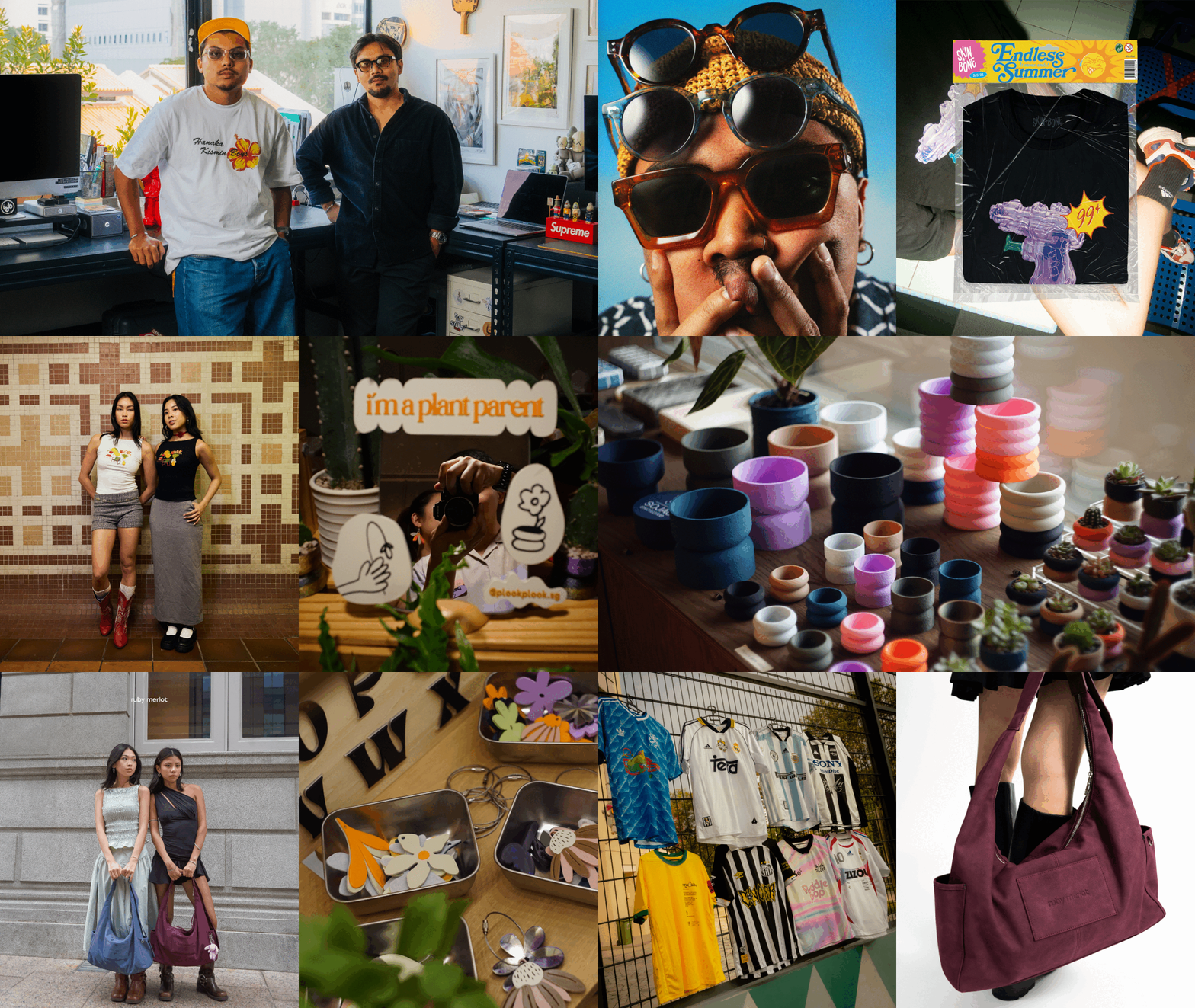
Say what you want about Gen Z, but these young entrepreneurs are flexing hard – and the numbers are proving it. A 2020 WP Engine survey revealed that 62% of Gen Z planned to start a business, while Square cranked that up to 84%. In fact, a 2022 survey from United Minds and KRC Research shows Gen Z’s craving for entrepreneurial freedom is way higher than the average employee.
Here in Singapore, young founders are rising to the occasion, launching businesses in the wake of the pandemic. Whether they were inspired by lockdown life (hello, candle and loungewear boom) or just needed that final nudge to make it happen, the entrepreneurial energy is real.
So, what’s the secret sauce to navigating this new business landscape in 2025? We caught up with a fresh crop of entrepreneurs who’ve cracked the code, and they’re spilling the tea on how to make it big.
LIYANA HASHIM AND IWANI HASHIM OF WACKY WEARS AND MARGO MANNER
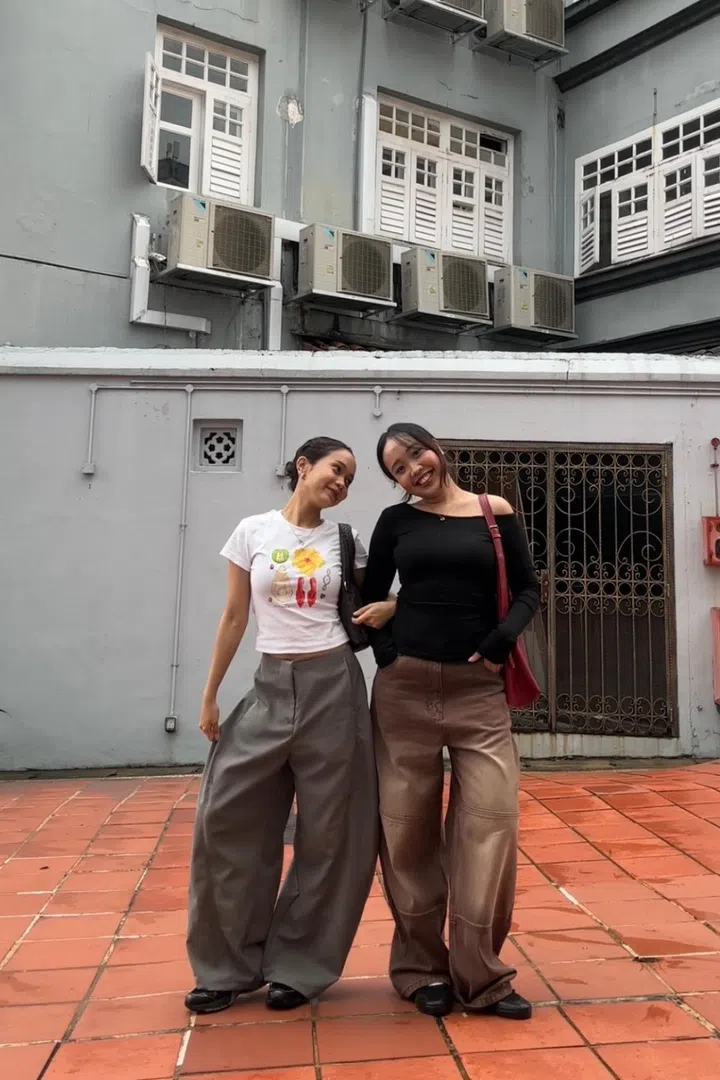
Liyana Hashim (right) and Iwani Hashim
Sisters Liyana Hashim, 27, and Iwani Hashim, 25, are the creative forces behind Wacky Wears, which started in August 2020 as an earring brand to support their university expenses. It soon evolved into a streetwear label offering positive affirmation tees and caps, with a focus on sustainability through a pre-order model. Liyana manages the brand full-time, while Iwani, a product designer, brings her creative expertise to the table. Building on their shared passion for art, the duo is launching Margo Manner in January 2025, a female-focused line exploring traditional art forms like watercolours.
PREDICT DEMAND AND CUSTOMER INTEREST
For Wacky Wears, one of the biggest hurdles in the beginning was predicting demand. “In the early stages, we were conservative with our inventory to avoid excess stock and waste,” says one of the founders. But that came with its own challenge: balancing the books. “Cash flow was crucial since we were still in our early stages, so finding the right balance was difficult.”
To overcome this, they launched pre-order campaigns for most of their initial collections. “This allowed us to gauge interest in different designs and better understand demand before committing to stock. The insights from these pre-orders helped us make more informed decisions for our ready-stock collections,” they share.
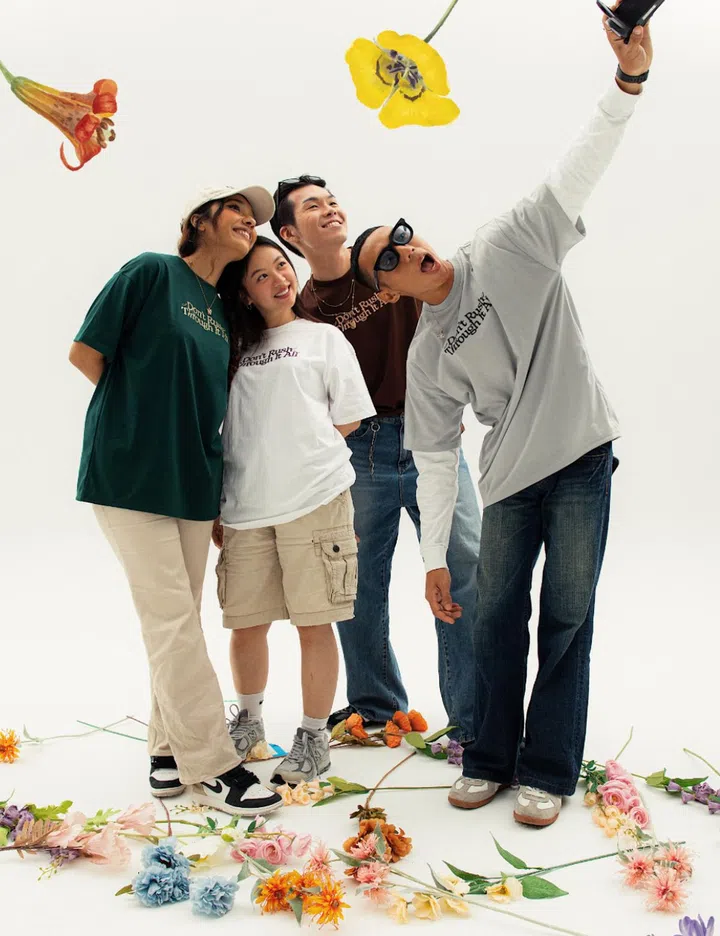
Wacky Wears is a co-ed streetwear label offering positive affirmation tees and caps, with a strong focus on sustainability through a pre-order model.
START SMALL AND BE PREPARED FOR RISK
Wacky Wears was self-funded from the very beginning. “We started while still in university, using savings from freelance work and part-time jobs,” they explain. They launched their brand with just $500 – an amount that seemed small but felt like a big leap. “It wasn’t a lot, but at the time, it felt like a huge risk, especially since we were cautious about money due to our financial background,” they admit. Looking back, they’re glad they took the chance.
Their advice to young entrepreneurs thinking of self-funding is clear: “Get your personal finances in order first. Be prepared to lose the initial amount you invest, and make sure it’s an amount you can afford to part with. Take the leap, but don’t be too hard on yourself if things don’t work out right away. The fact that you tried is already a huge achievement.”
ENGAGE YOUR AUDIENCE: LET THEM BE PART OF THE DESIGN PROCESS
Wacky Wears turned to their Instagram Stories for one of their most successful campaigns – the By You series, where they let customers vote on colourways and T-shirt designs. “We realised that customers love being involved in the process! It makes them feel like they’re truly part of the brand,” they explain. This engagement-driven tactic led to the creation of the My Own Pace design, which quickly became a fan favourite and played a big role in shaping their brand’s identity.
“After all, we’re designing for our community, so it only makes sense to include them in the journey,” they say.
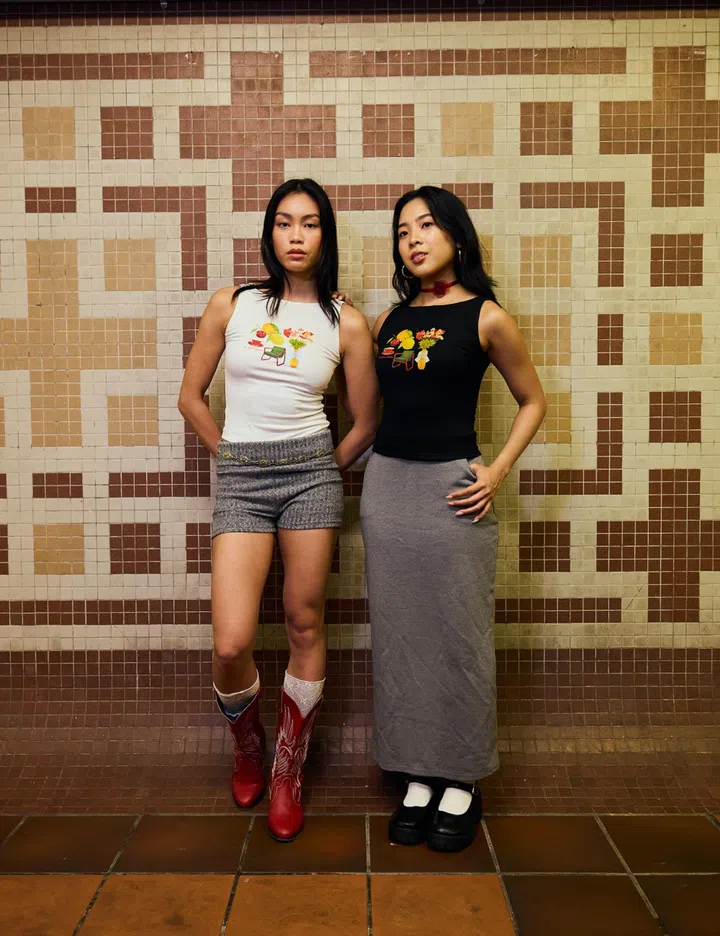
The sisters' latest venture, Margo Manner, launched in January 2025, is a female-focused line that explores traditional art forms like watercolours.
SEEK PEER SUPPORT
Although they didn’t seek formal mentorship or government grants, networking with other entrepreneurs has been invaluable. “We’ve met so many founders through collaborations and often exchange advice and insights. It’s reassuring to share challenges and learn from each other’s experiences. It makes the journey feel less alone.”
FIND A MENTOR
Reflecting on their journey, Wacky Wears shares one key piece of advice they wish they had followed earlier: “Get a mentor! Having guidance from someone with experience would have been so helpful early on.” They recommend platforms like ADPList, which offers free mentorship opportunities where young entrepreneurs can connect with experienced mentors for advice.
ANIQ HARITH AND AKIFF ASYRAF OF BIFOLK ESSENTIALS
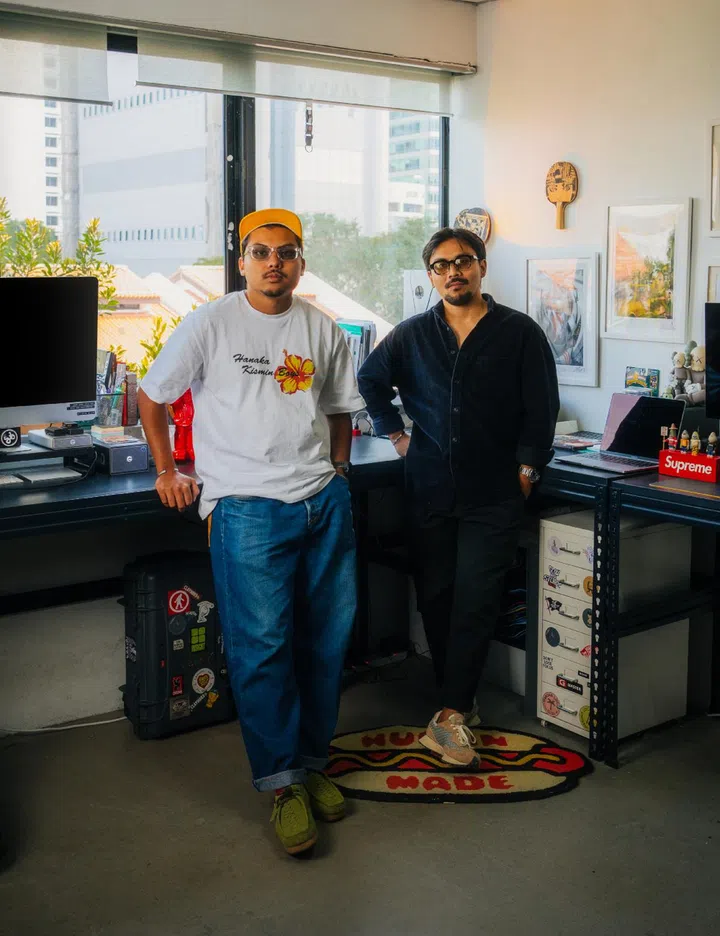
Aniq Harith (left) and Akiff Asyraf (right)
Brothers Aniq Harith, 26, and Akiff Asyraf, 32, launched Bifolk Essentials in December 2024 with a vision to blend prescription sunglasses with fashion-forward designs. Drawing inspiration from 1980s retro style and influenced by icons like Virgil Abloh and Kanye West, the duo created a brand that combines practicality with exclusivity. Operating on a limited product drop basis, Bifolk's eyewear merges sunglasses and spectacles into one frame, offering versatility while showcasing their creative expression and passion for breaking boundaries in the local art scene.
DON'T PUSH PERFECTION
One of the biggest challenges for Aniq and Akiff in the beginning was ensuring that their product met high-quality standards while still standing out with bold, sleek designs. Aniq explains, “Entering a market with established brands meant that we needed to make a strong first impression. We spent months testing and refining every sample to ensure we were confident in the final product.”
In addition to product quality, starting the business itself came with a host of unknowns. As Akiff puts it: “Technically, starting the business and every process was a challenge because it was all new. The only way to learn is to do – find the flaws and improve on them.”
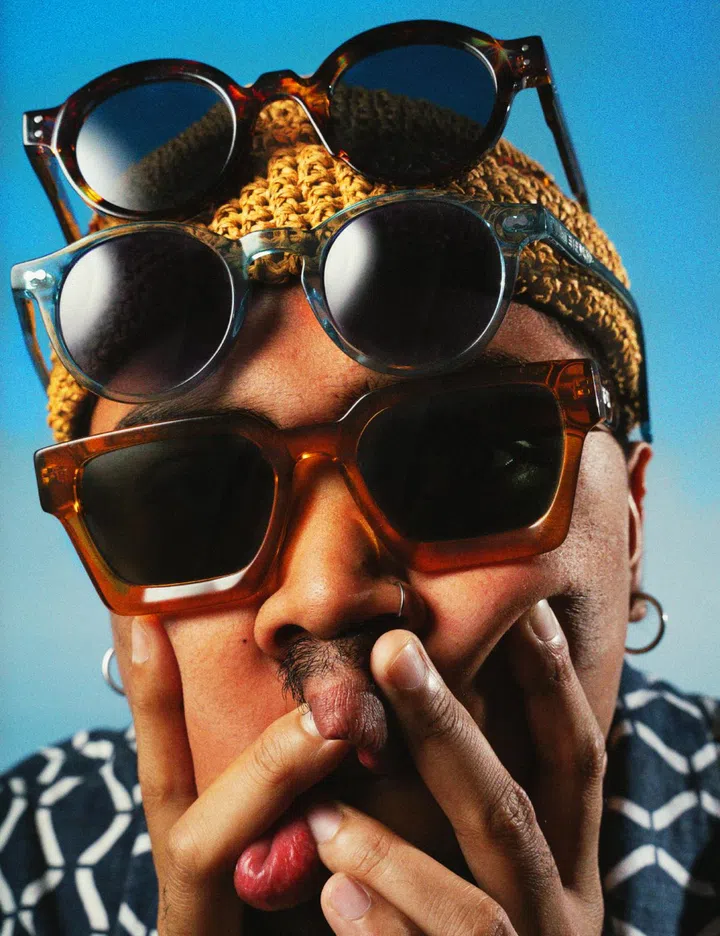
Bifolk Essentials’ fashion-forward designs draw inspiration from 1980s retro style, with influences from icons like Virgil Abloh and Kanye West.
FUNDING THE BUSINESS: START SMALL AND REINVEST
For many young entrepreneurs, securing funding can be a daunting task. But Bifolk Essentials took a different approach – they self-funded everything, starting with small investments and gradually reinvesting all profits back into the company.
Aniq shares, “We started with a modest budget, setting aside money each month and reinvesting all profits after our first launch.” Their advice to others looking to fund their ventures? “Before investing heavily, assess demand. Create a sample or prototype, gather feedback, and refine your product. If you can satisfy nine out of 10 feedback points, you're ready to move forward.”
They were also fortunate that Aniq’s photography and design skills helped cut costs on product shoots, but even a basic iPhone and AI tools can be powerful assets for content creation.
CREATE RESONANT CONTENT AND BUILD INFLUENCER RELATIONSHIPS
While neither Aniq nor Akiff had prior experience in marketing or social media strategy, they quickly realised the power of leveraging their strengths – Akiff’s networking abilities and Aniq’s creativity.
Akiff says, “My ability to connect with people helped drive sales, while Aniq’s creativity allowed us to produce unique content that resonated with our audience.” They quickly discovered that Instagram Stories had higher engagement than regular posts. According to Akiff, “If you put effort into your content and it’s dope, the market will come and appreciate it. Stories are a great way to keep people engaged.” And knowing a few influencers to amplify your message never hurts, either!
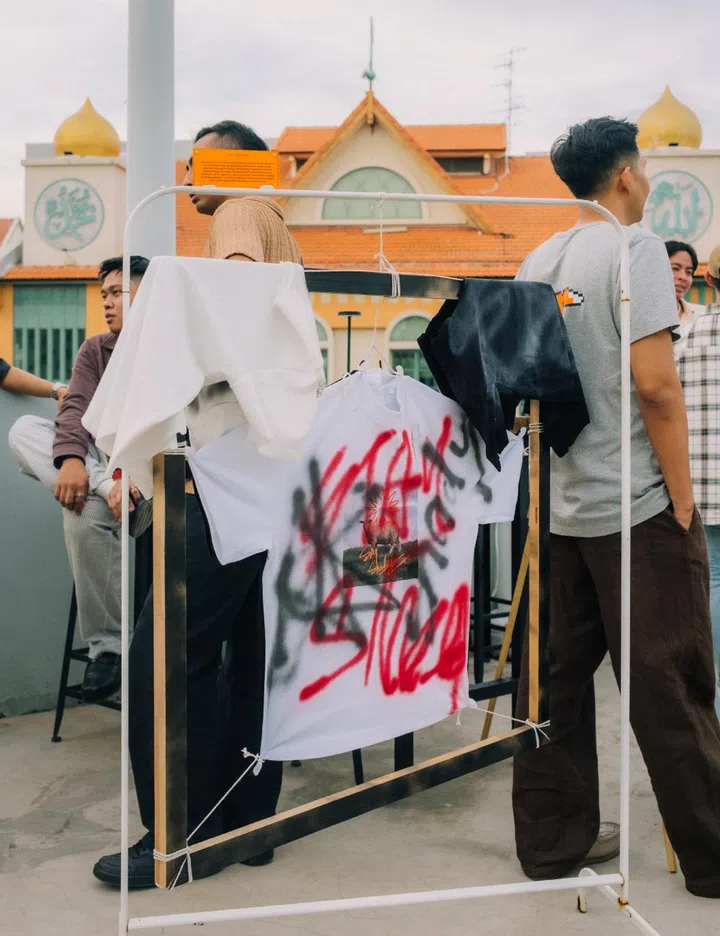
A scene from the Bifolk Essentials collaboration launch party with homegrown bandana label Nuno.Essentials in January, where the brands showcased street-inspired installations.
RELY ON YOUR NETWORK
Although Aniq and Akiff didn’t seek out formal mentors or government grants, they found immense value in their creative network. Akiff explains, “We had friends in the creative space who gave us valuable input on branding and design. Their insights helped us build a brand that stands out in a crowded market.”
They didn’t dive deep into formal resources but took comfort in knowing that support, like government grants and incubators, was available if needed. “Knowing that there are these things in place gives us the confidence to keep building our business,” says Akiff.
DON'T BE AFRAID TO FAIL
Looking back at their journey, Aniq and Akiff agree on one key piece of advice: “Just go for it.” They believe that success is built on trying, failing, and learning.
As Aniq says, “You won’t know if something works until you try. Every failure is a step closer to success. Fail as much as you can while you’re young and fit – you’ll thank yourself later in your late 20s and early 30s.”
JIWAHN HAN OF RUBY MERLOT
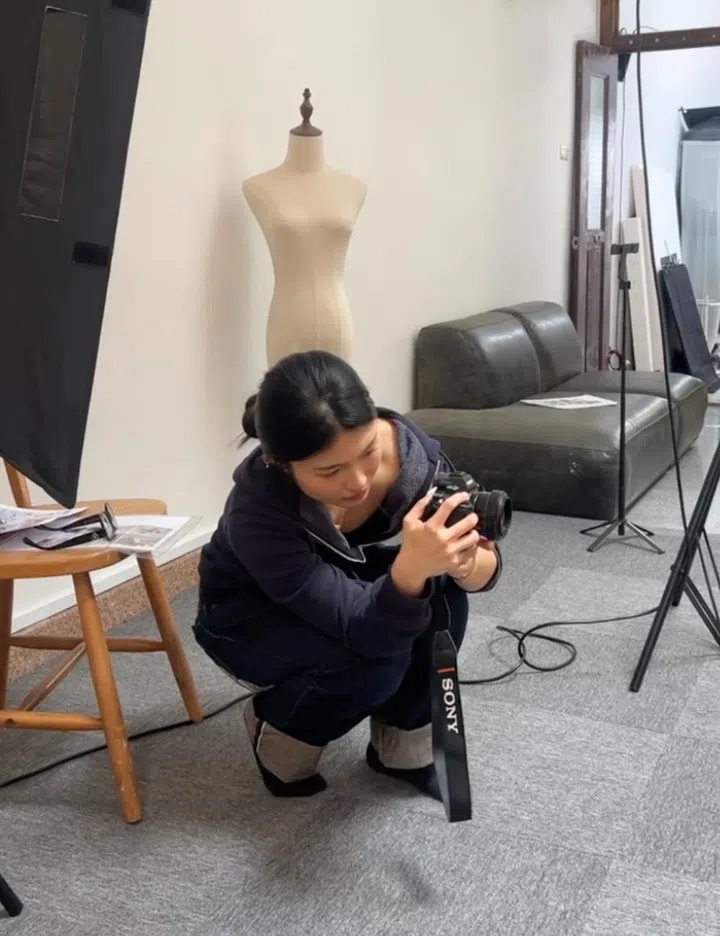
Jiwahn Han
Jiwahn Han, 23, a former visual arts student at the School of the Arts Singapore and current Business Administration student at the National University of Singapore, draws inspiration from her European exchange and the stylish crowd at Fashion Week to create Ruby Merlot. Aimed at the modern hustler, her bags are a blend of bold colours, functional design, and thoughtful details like roomy interiors and D-ring hooks for essentials.
BUILD BRAND TRUST FROM THE GROUND UP
One of the toughest hurdles Han faced was building brand trust as a new, independent label in Singapore’s competitive market. "In a crowded market where consumers have endless options, I knew it wouldn’t be easy to stand out,” she shares. "To overcome this, I prioritised storytelling and branding from the very start (and honestly, it’s still a work in progress!).”
Han’s approach? She made sure Ruby Merlot wasn’t just about selling products, but about creating an emotional connection. “Rather than going for overly polished shoots, I focused on capturing real, intimate moments that felt relatable,” she explains. And for that personal touch, each Ruby Merlot bag comes with a handwritten label that says 'Made with love for ___,' filling in the customer’s name. It’s a small detail that speaks volumes about the brand’s commitment to customer connection.
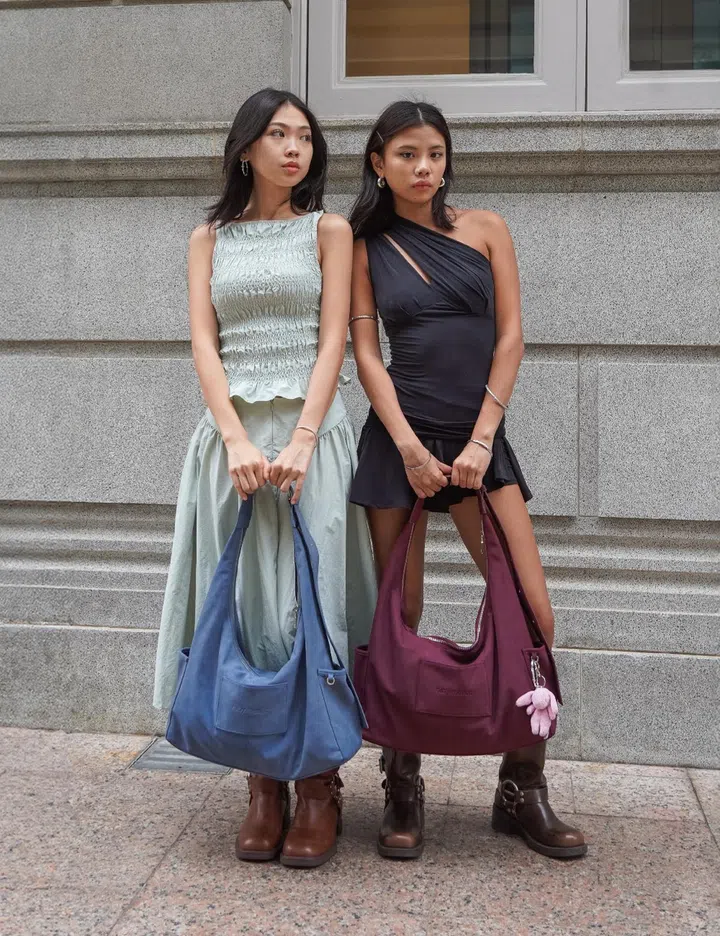
Ruby Merlot was self-funded, built entirely from personal savings, allowance, part-time jobs, and internships.
MAXIMISE YOUR RESOURCES: FUND SMART, FUND LEAN
When it came to funding, Jiwahn’s journey was all about being resourceful. Ruby Merlot was self-funded – no external investors, just personal savings, allowance, part-time jobs, and internships. “It was definitely a challenge to stretch every dollar, but it also forced me to be intentional with my spending!” Han recalls.
SKIP THE GLOSSY ADS AND KEEP IT REAL
For Han, social media has been a game-changer. "What’s worked really well for us is partnering with influencers who genuinely resonated with Ruby Merlot’s brand identity," she says. "This made the content feel more authentic and relatable, which helped build trust with potential customers." Casual, behind-the-scenes content, like 'What’s in My Bag' and 'Day in the Life' videos, became the brand’s go-to marketing strategy.
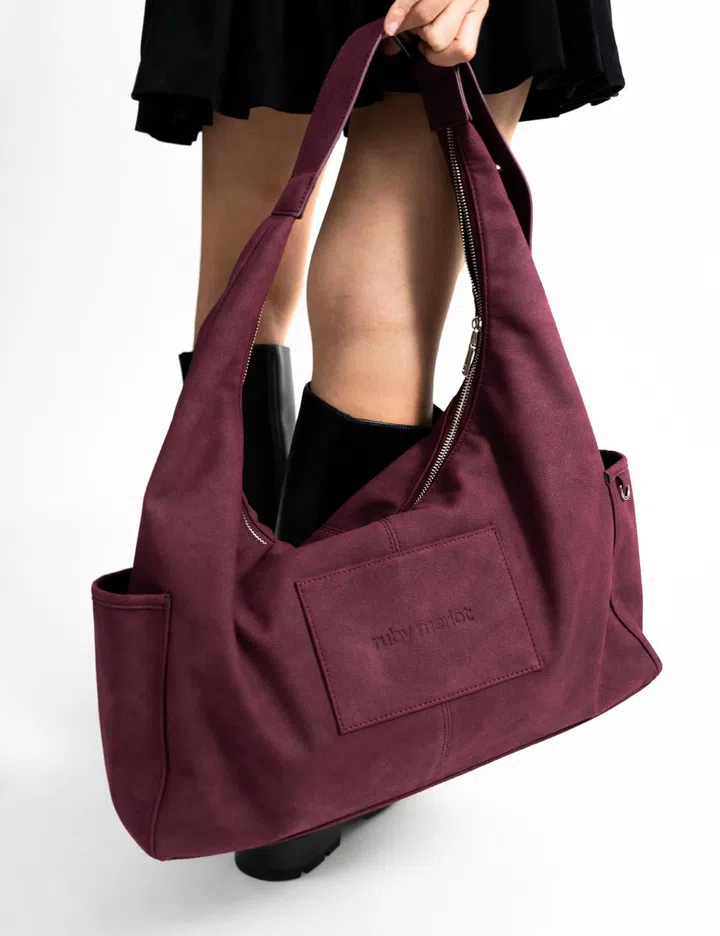
Ruby Merlot bags combine functional design, and thoughtful details like spacious interiors and D-ring accents for added versatility.
SELF-LEARN AND SEEK INSPIRATION FROM GLOBAL ENTREPRENEURS
As a self-funded business, Han has turned to podcasts for guidance. “I’ve relied heavily on self-learning through podcasts like Diary of a CEO and Working Hard, Hardly Working,” she shares. These resources, while based overseas, offer insights that are still highly relevant to her business.
The biggest takeaway from these podcasts? "If you have an idea and truly believe in it, you should just execute it. It’s easy to overthink and wait for the 'perfect' moment, but the best way to learn is by taking action, testing, and iterating along the way."
TAKE ACTION, DON’T WAIT FOR PERFECTION
When asked about advice for her younger self, Han offers a simple yet powerful piece of advice: “Just do it, it doesn’t have to be perfect.”
ANDREW NG OF SKIN+BONE

Andrew Ng
Andrew Ng, founder of Skin+Bone, turned a school project into a thriving streetwear brand in 2020. Drawing on nostalgia, his designs target millennials and older Gen Zs, with collections like Bad Company, which satirises childhood treats. The 30-year-old handles everything from design to production, ensuring each piece is unique. Tees and collectibles range from $40 to $80, packaged to evoke a nostalgic trip down memory lane.
BUILD YOUR BRAND AWARENESS SLOWLY, BUT SURELY
“The biggest challenge I faced in the early stages was building brand awareness,” says Ng. “It’s not easy to go viral. I had to slowly build my following, be present, and take part in local art markets with friends.”
His advice for others? “Wear your merch, talk about it, and get the word out. Every small step helps. And don’t shy away from doing everything yourself—especially when you’re running a one-man show.”
MASTER THE ART OF SELF-FUNDING
When it comes to funding, Andrew took a practical approach: “I got a full-time job to fund my part-time job. If you’re not ready for investors or loans, take your time. Work for someone else before becoming your own boss. It’s a safer route, and you’ll learn a lot along the way.”
He cautions: “Don’t rush the process. Sometimes slow and steady is the best way to go.”
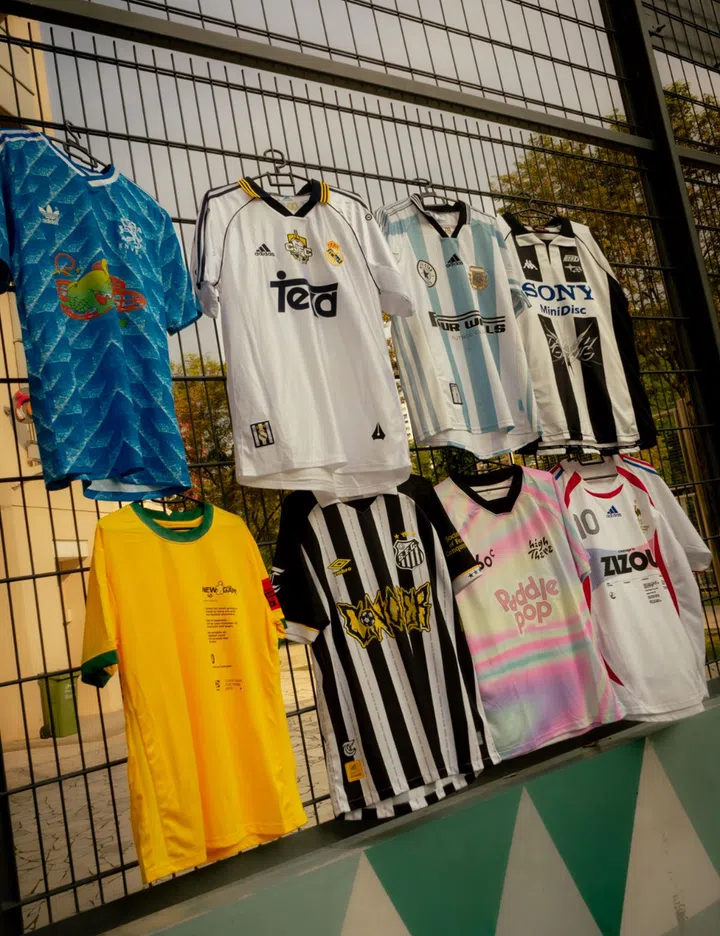
Andrew recommends getting hands-on with marketing by investing in the right art and flea markets, noting that success isn't always immediate.
FOCUS ON GRASSROOTS MARKETING
When it comes to marketing, Andrew recommends getting hands-on: “Invest in the right art markets and flea markets. It’s not always an instant success, but connecting physically with your audience is invaluable. You can’t replicate that on social media.”
He also found that traditional social media tactics weren’t as effective: “Instagram ads didn’t work for me. They don’t give you a clear understanding of who’s actually engaging with your content.” Instead, Andrew focuses on creating content that tells a story: “I share my daily struggles and wins, not just the product. That’s been really effective in building my brand.”
LEARN FROM OTHERS AND BUILD YOUR NETWORK
Networking has been essential for Andrew: “Being a one-man show means you have to reach out to others in your field. Don’t be afraid to chat over coffee, ask questions, and learn from others. Build those connections early.”
He stresses that art alone won’t make you successful: “Your art is important, but knowing how to sell it is just as crucial.”
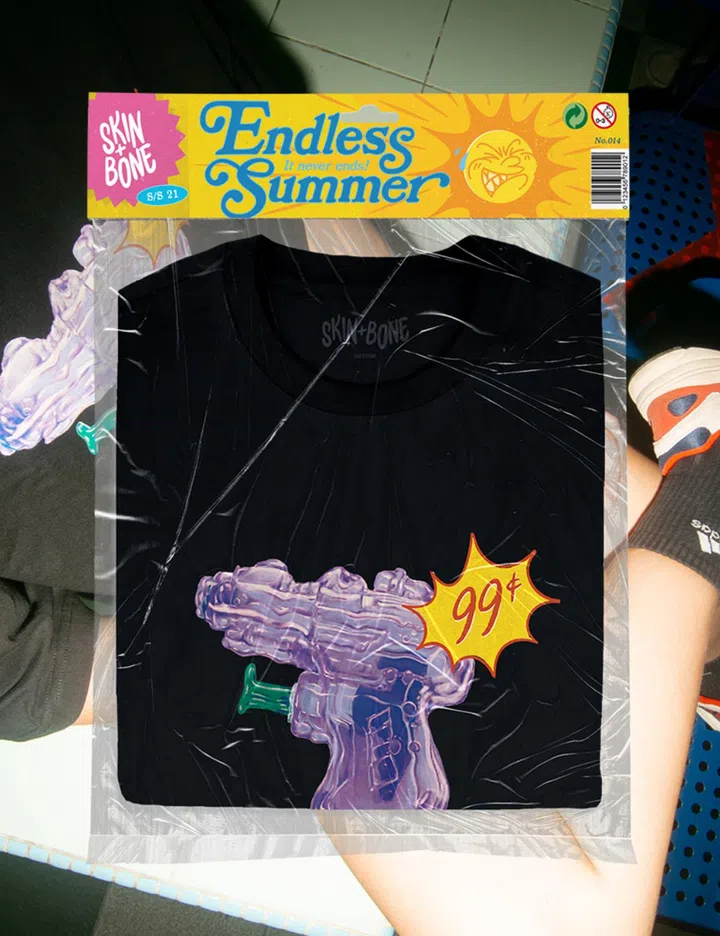
Fun, satirical designs and clever marketing define Skin+Bones products, creating a unique way to engage with their audience.
EMBRACE MISTAKES AND KEEP MOVING FORWARD
Looking back, Andrew’s biggest advice to his younger self would be: “You’ll make mistakes, and sometimes they’ll cost you time and money. But it’s part of the journey. You can’t avoid them, but you can learn from them.”
His final tip: “Keep honing your networking skills. You can’t succeed in business without knowing how to connect and sell your work.”
JODIE POH AND BENJAMIN LIM OF PLOOK PLOOK
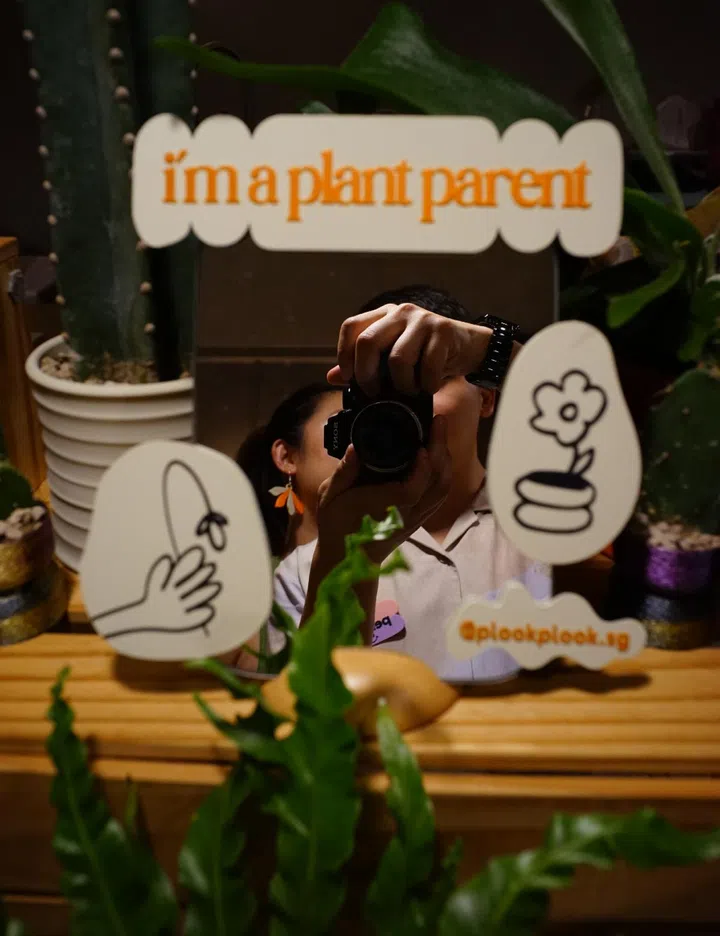
Jodie Poh (left) and Benjamin Lim (right)
Plook Plook, founded by creative duo Jodie Poh and Benjamin Lim, both 30, in March 2024, is the result of their shared love for photography and design. What started as a thoughtful gift – a self-designed plant pot – quickly blossomed into a thriving homeware business. Specialising in 3D-printed designs that combine aesthetics with functionality, Plook Plook’s offerings, such as planters with concealed drip trays and the 'Pillars of Joo Chiat Lamp' series, provide clever solutions to everyday problems while celebrating local heritage.
STAY MOTIVATED THROUGH ADVERSITY
Starting a business comes with its fair share of challenges. For Poh and Lim, staying motivated through adversity was key. “We faced numerous challenges, both related to the business and external factors,” says Poh. "The lack of experience in production and uncertainty about stock demand were major hurdles. But we kept at it, working late nights, iterating on designs, and focusing on what we could control.”
The duo also faced difficulties in marketing their products at local markets. “Some markets were not as well-organised, leading to lost time and money. But we didn't let it stop us,” Lim shares. “We analysed every experience – good or bad – and used it as a chance to improve.”
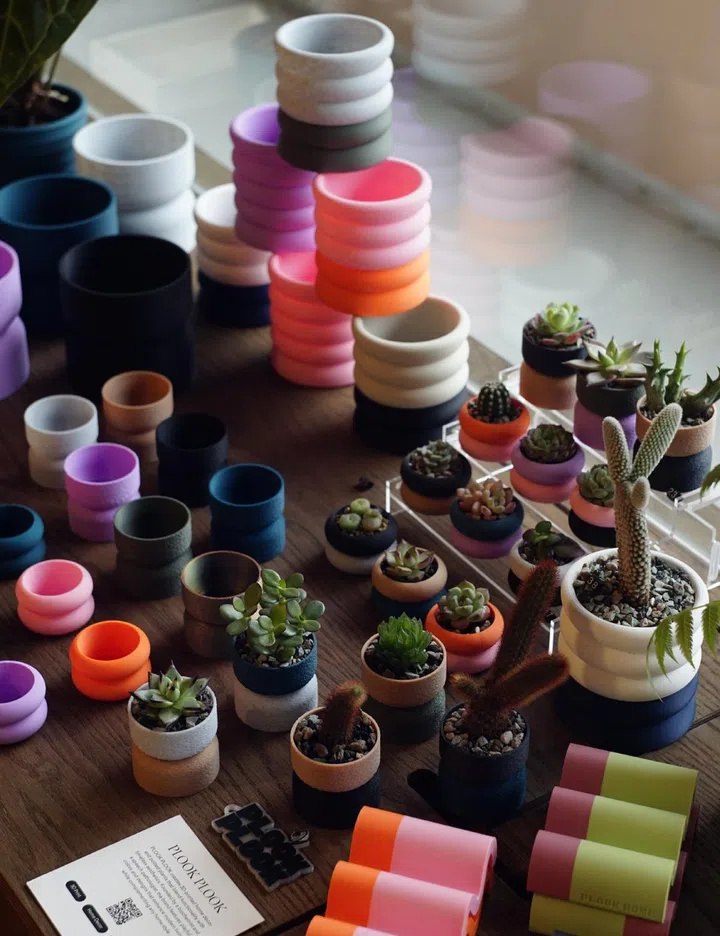
Plook Plook specialises in 3D-printed designs that seamlessly blend aesthetics with functionality.
BE FLEXIBLE AND LEARN FROM MISTAKES
Starting a business isn’t a straight path, and being open to change is crucial. "Initially, we started by designing self-made planters, but over time, we shifted to homeware, which we were passionate about exploring," says Lim. "The business evolved naturally, with opportunities guiding us in new directions."
They also found that their original business concept had to change as they adapted to the market. “We didn’t start as a design studio, but over time, we’ve co-developed products for other businesses, which led us to expand beyond our original plan,” Poh explains. "The key was to remain flexible, embrace change, and not be afraid to pivot."
PRIORITISE SPENDING ON WHAT MATTERS MOST
Poh and Lim funded their venture themselves, working full-time jobs while building Plook Plook in their spare time. "Start-up costs can add up, but we kept it lean. The CAD software and 3D printer were our major investments,” Lim notes.
Their advice to other young entrepreneurs? "Manage your expectations and keep expenses in check," Poh advises. "Don’t get carried away spending money on things that won’t generate revenue. Focus on areas that matter most – your product and customer base."
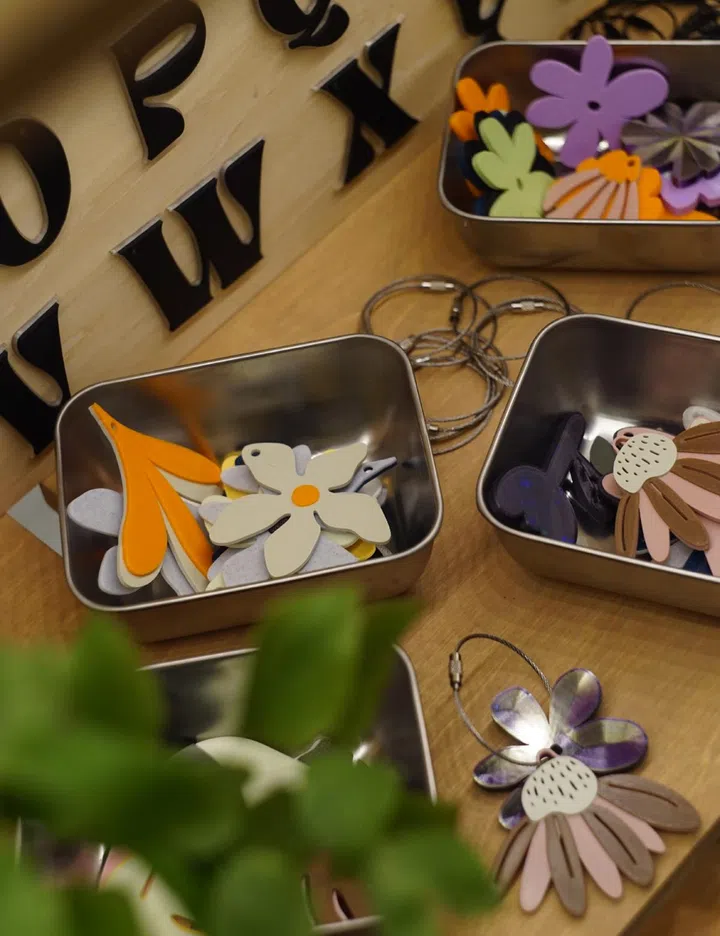
According tot he duo, Plook Plook focuses on creating well-designed, high-quality products that keep customers coming back.
LET YOUR PRODUCT SPEAK FOR ITSELF
Marketing doesn't always mean paying for ads. "The best marketing is letting your product do the talking," Poh says. "We focus on creating products that are well-designed and high-quality, and people come back because of that."
Poh and Lim have been able to expand their reach through collaborations with larger companies like Whytespace and Sojao. "These partnerships gave us exposure to new audiences and opportunities to grow," Lim shares. “Word of mouth and authentic customer satisfaction have been our strongest marketing tools.”
JUST START, DON’T WAIT FOR PERFECTION
Looking back, Poh’s advice to her younger self would be simple: “If you have an idea and believe in it, just go for it. You don’t have to wait for everything to be perfect. You’ll refine your process as you go.”
For young entrepreneurs, both Poh and Lim emphasize the importance of starting with what you have and improving along the way. "Perfection comes through practice and experience, so don’t wait for the perfect moment to launch," Lim concludes. "Jump in, learn, and evolve."
VANESSA HAN OF CRUDDY
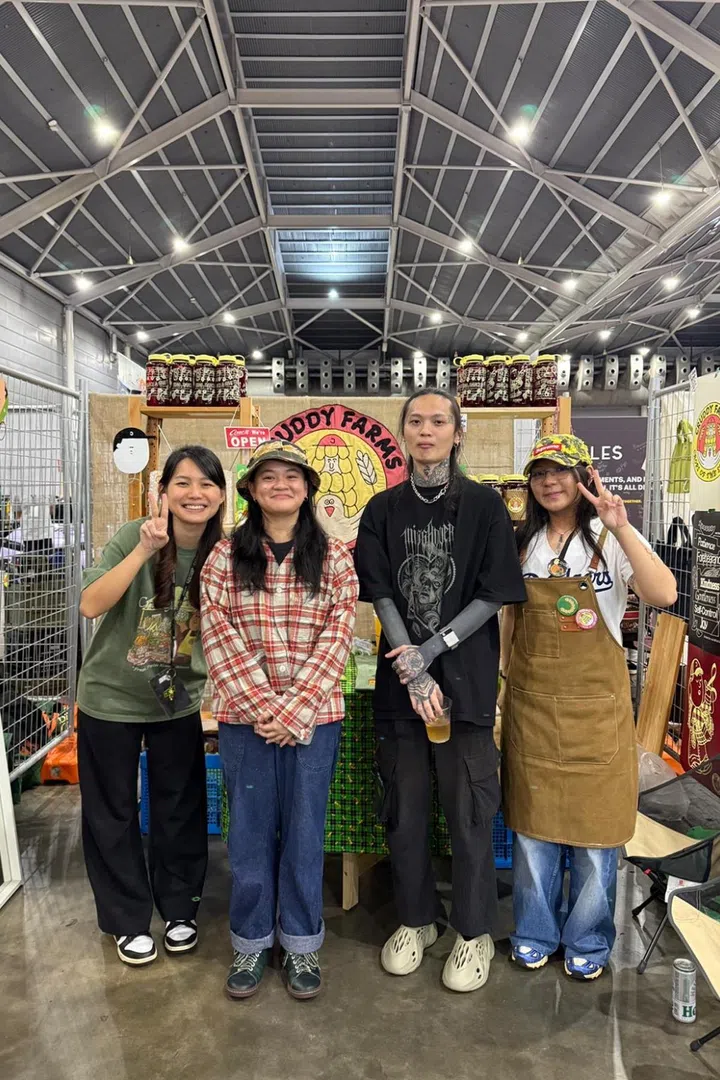
Vanessa Han (second from left)
Cruddy is a Singapore-based creative brand that blends streetwear with an artistic, lighthearted approach. Founded by Vanessa Han in 2017 and later joined by her best friend Oh Shu Wen, Cruddy started as a passion project to reimagine graphic tees beyond the traditionally masculine aesthetic. What began as a small venture has since evolved into a dynamic creative studio, working on collaborations with major names like Uniqlo, Double Up Coffee, and the Singapore Kindness Movement. With a growing portfolio of wearables and stationery – featuring its signature mascot, Greg – Cruddy remains rooted in its mission to make art feel approachable and fun.
BE RESOURCEFUL AND KEEP EXPERIMENTING
Finding the right suppliers and navigating the creative process can be overwhelming at first. Han recalls how she traveled across Singapore to check out tee samples, but over time, connections and the internet helped streamline the process. “We just didn't stop coming up with ideas and designs (good and bad), and we're lucky that we have great supporters who have shown us love for what we do,” she says. Embrace trial and error, and don’t be afraid to ask industry peers for advice.
START SMALL AND REINVENT YOUR INCOME STREAMS
Funding doesn’t always come in the form of big investments. The duo started Cruddy with just $2,000 from Han's dad and later reinvested earnings from her full-time job. Diversifying income streams also proved essential – offering illustration services in 2021 helped sustain the business without upfront costs. Her advice? “Maybe if you are looking to start as an illustrator or artist, start with building your body of work and share it as much as you can. I’m confident that it will gain interest and the ball starts rolling from there.”
STAY VISIBLE – BOTH ONLINE AND OFFLINE
Marketing doesn’t have to be complicated. Cruddy primarily relies on Instagram and in-person events to connect with customers. While Han acknowledges she doesn’t follow specific social media strategies, she shares a key insight from a marketing-savvy friend: “At least post something every day so people know you still exist.” Whether online or offline, maintaining a consistent presence keeps your brand relevant.
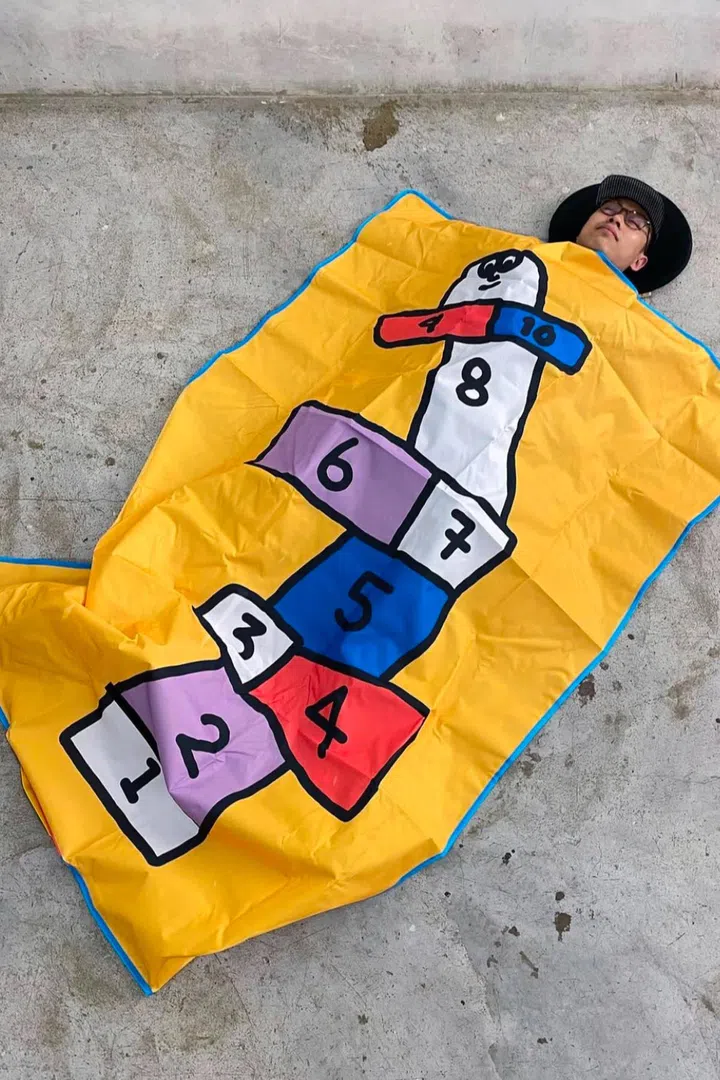
Cruddy captivates customers with its playful and charming graphics, bringing a lighthearted touch to streetwear and lifestyle objects.
NOT EVERY BUSINESS RESOURCE WILL BE THE RIGHT FIT
Entrepreneurship courses and incubator programmes can be valuable, but they’re not for everyone. Han attended a startup programme in 2021 and humorously admits, “It helped me realise I’m not a good business person. So don’t take business advice from me.” The lesson? Find what works for you—whether it’s structured mentorship, hands-on learning, or simply figuring things out along the way.
YOU CAN’T DO IT ALONE – BUILD YOUR SUPPORT SYSTEM
No entrepreneur succeeds in isolation. Han’s biggest advice to her younger self? “You can’t do it on your own. Accept the help that comes your way and be grateful for the people around you who support what you do.” Surround yourself with people who believe in your vision, and don’t be afraid to lean on their expertise and encouragement.