
Get Your S*** Together: When Is The Right Time To Apply For A BTO With My Partner?
Are you actually ready to settle down, or just feeling the pressure to snag a BTO queue number? We speak to local creative couple Clara Hong and Timothy Suen, alongside counselling director Theresa Pong, for the lowdown on taking that leap.

“Should we apply for a BTO?” – the classic phrase that has quietly replaced the traditional knee-drop proposal in modern Singapore. Whether you’ve been in a long-term relationship and are ready to settle down, or are simply discussing future plans with your partner, the BTO (built-to-order) HDB flat talk is something almost every couple has experienced. And as (un)romantic as this question seems, it’s easily one of the most important conversations a couple should be having.
But how do you know exactly when to take the plunge?
To find out, we speak to Theresa Pong, a counselling director with over 16 years of experience, and the founder of The Relationship Room, a Singapore-based private practice that specialises in relationship and marriage counselling. Alongside her, we also hear from content creator Clara Hong and Hartcopy founder Timothy Suen – a local creative couple who have been in the same shoes. Ahead, they share more about their BTO experience and advice on navigating conversations surrounding this leap.
See also: Get Your S*** Together: So…You Want to Break Up. Now What?
What are some conversations that couples should have before considering applying for a BTO? Also, what are some things that are usually overlooked but are important to address?
Clara Hong: “The obvious conversations to have would be about finances and marriage, but I personally think the most important conversation would be about how they envision their life to look like in the future. Lifestyle and spending habits, personal boundaries like how much alone time one needs, life values, how they intend to split household responsibilities and even whether they want children in the future.
Of course, you don’t have to agree on all aspects, but the basics should still be there and you should still be able to communicate openly and work through these differences as a team. These might seem like small things, but once you share a home, they can be sources of conflict if they are not addressed early on.”
Timothy Suen: “Marriage is obviously the biggest conversation, but discussing a shared future in your early 20s can be daunting. I’d emphasise planning your timeline early, especially as weddings, key collection and renovation costs can fall close together. Career paths are another consideration, as CPF contributions and employment type can affect housing loan eligibility. It’s also important to discuss how you’ll split financial responsibilities.”

Courtesy of Clara Hong and Timothy Suen
Theresa Pong: “One often overlooked area is how couples handle disagreements. Can they have difficult conversations without becoming defensive or shutting down? Can they listen to each other and work through differences respectfully? A strong marriage is not one without conflict, but one where both partners can navigate challenges together while maintaining respect and care for each other. How they handle difficult conversations before marriage can offer valuable insight into how they will manage challenges in the future.”
How long should a couple be together before deciding to apply? Is there a rough timeline to follow or a specific milestone they have to achieve in order to feel a sense of certainty when making this decision?
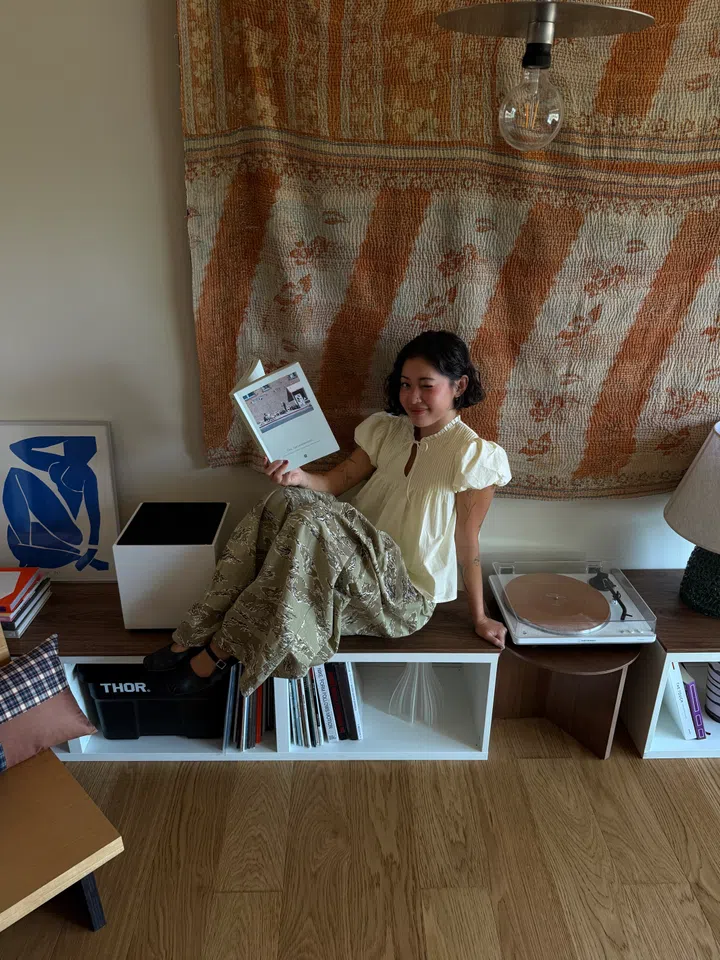
Clara in her cosy reading corner at home
Clara: “Personally, I don’t think there’s a magic number of years that determines whether a couple is ready. You could be together for two years and have a really strong understanding of each other, or be together for ten and still have unresolved issues. For me, it’s less about how long you’ve been together and more about what you’ve experienced together. Have you seen each other through difficult periods? Do you know how your partner handles stress, conflict, or uncertainty? Have you had honest conversations about your future? I think a good indication of readiness is when you’re both choosing to build a future together because you genuinely want to, rather than because you feel like it’s the next logical step in your relationship.
Tim and I had been dating for 4 years before deciding to go ahead with the BTO application. We both felt secure and confident about each other then, with many conversations of shared goals for our future.”
Timothy: “I’d say at least two years, although there’s no fixed timeline. It’s about experiencing enough of each other beyond the honeymoon phase. Travelling, spending extended periods together and navigating disagreements can reveal habits and pet peeves you wouldn’t otherwise notice. Ultimately, you need to know whether these are things you can live with before envisioning a future together.”
Some couples apply for a BTO early due to the long waiting time, even if they’re not planning to get married anytime soon. How should couples weigh the practical benefits of applying early against whether they’re emotionally ready for that commitment?
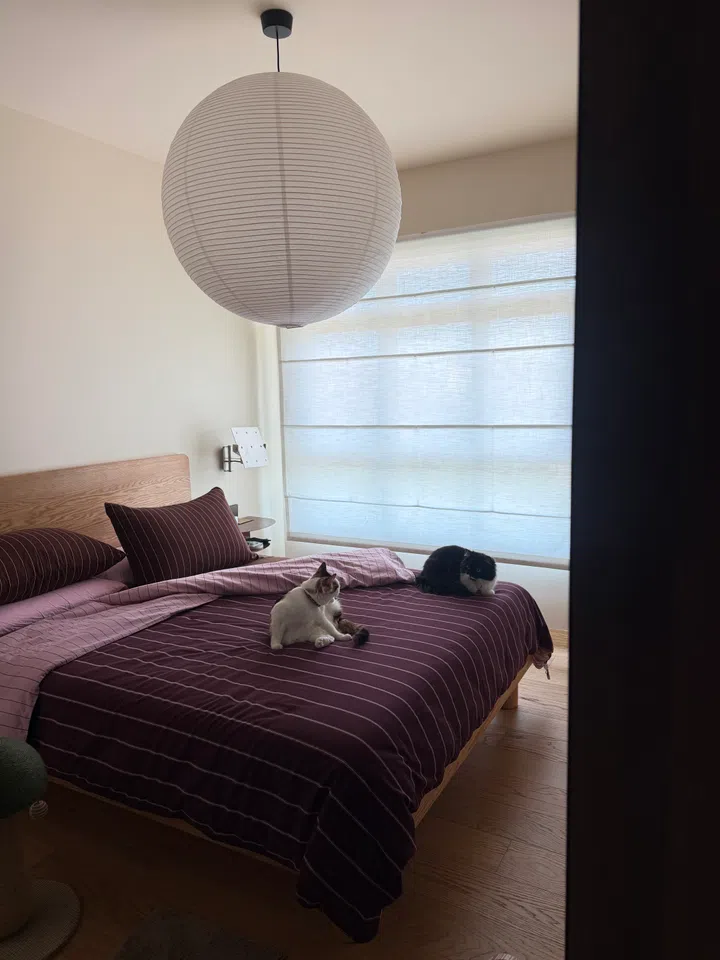
One of Clara and Timothy’s adorable pet cats
Clara: “It’s really important to separate wanting a home and wanting to build a life with someone – A BTO is both a huge financial and emotional commitment. I wouldn’t say couples need to have everything figured out before applying, because realistically, nobody ever does. But both parties should at least feel confident about the direction their relationship is heading in. I think couples should ask themselves: If there weren’t such long waiting times or pressure to secure a flat, would we still feel ready to take this step together?””
Theresa: “It is understandable that couples want to apply early because of the long BTO waiting time. Planning ahead can be practical and beneficial, but couples also need to consider whether they are ready to build a life together.
If both partners have built a strong foundation and are committed to a shared future, applying early can be a sensible step. However, if there are unresolved doubts about the relationship, it is important to address them rather than hope they will disappear with time.
The key is to balance practical housing considerations with relationship readiness. A BTO can be part of planning a future together, but the strength of that future depends on the foundation the couple builds before marriage.”
Is it important for couples to live or spend extended periods of time together before applying for a BTO? Otherwise, how can they assess their living compatibility?
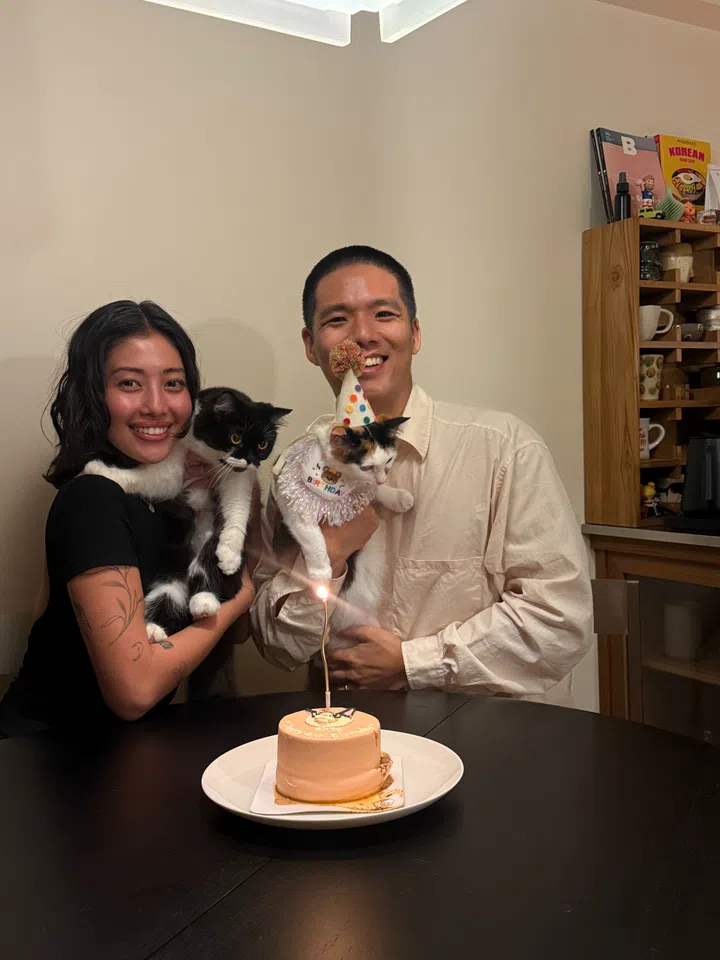
Clara: “I definitely think spending extended periods of time together helps! Travelling together, especially for longer trips, can reveal so much about a person’s habits and personality that you might not otherwise notice when you’re just going on dates. You get to see how they handle unexpected situations, how they manage their routines, and whether your lifestyles are compatible.
That said, I don’t think you necessarily have to live together before applying for a BTO. There are other ways to understand each other’s habits, like spending time in each other’s family homes or having conversations about how you envision your shared space. And honestly, I think some things you only discover once you actually move in together. What’s important is being willing to adapt, compromise, and figure things out along the way.”
Timothy: “Yes and no. Ideally, living together helps you understand your partner’s habits and everyday routines. But Clara and I never lived together until we rented a place after marriage, about a year before moving into our BTO. I wouldn’t say it’s essential. Travelling together and spending extended periods with each other can be just as revealing.”
How financially prepared should couples be before applying for a BTO? Is having enough savings and a stable income sufficient?
Clara: “Once our BTO application was successful, Tim and I set up a budgeting sheet and worked backwards to gauge how much we had to save every month in order to afford the wedding, house, and renovation that we wanted. Back then, we had just graduated university and were working our first few full-time jobs. We weren’t paid much at all but we managed to be disciplined and save 50% of our salary each month.
Many people also tend to focus on the cost of the flat itself without fully considering everything that comes after, such as renovations, furniture, appliances, and household expenses. Having recently gone through the process of setting up our own home, I can definitely say that the smaller expenses add up very quickly! Ultimately, I think it’s less about having a particular amount saved and more about being financially transparent with each other, planning realistically, and making sure you’re not stretching yourselves too thin.”
Timothy: “Stable incomes and sufficient savings are a good starting point. I’d recommend setting a financial goal and working backwards from your BTO and wedding timelines to determine how much to save monthly. Ideally, add a 30% buffer because shit happens especially during renovations. Having dedicated savings also makes spending on things feel less stressful and guilt free. Spending 3K on a sofa from a pool of dedicated savings vs own savings feels worlds apart.”
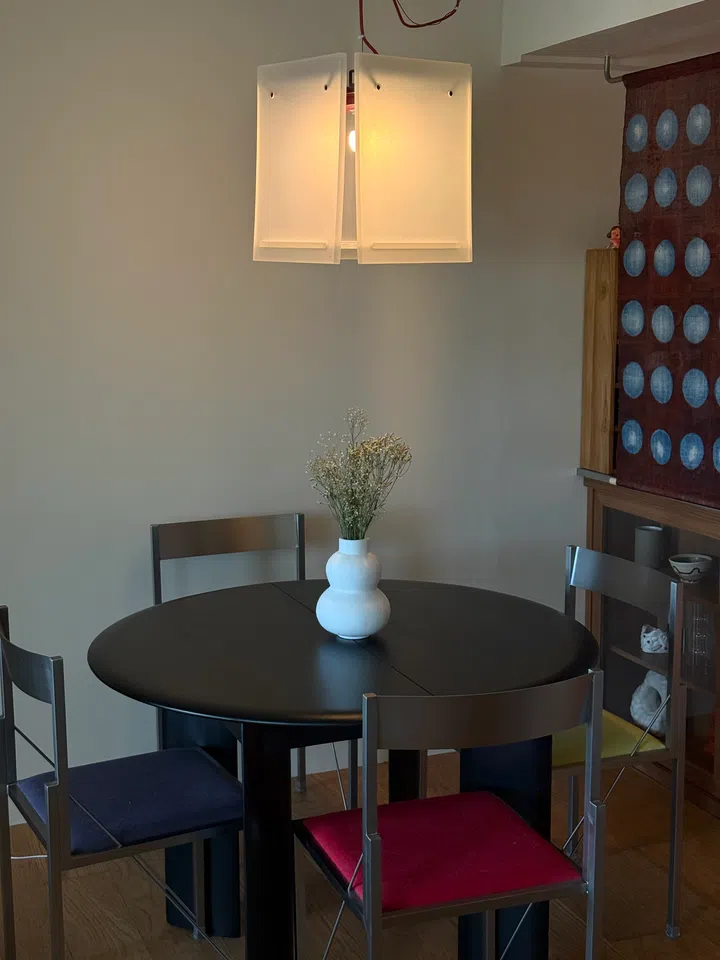
A glimpse of Clara and Timothy’s aesthetically pleasing home
Theresa: “Couples may have different attitudes towards spending and saving. Being open about these differences helps them understand each other’s priorities and agree on how to manage their money together.
Before applying for a BTO, couples should discuss the following questions:
- Can we comfortably afford the flat and its ongoing expenses?
- How much emergency savings should we maintain?
- How would we manage financially if one of us lost our job or took a career break?
- Do we want children, and how would we share childcare responsibilities and costs?
- Would either of us consider becoming a stay-at-home parent, and how would we manage the resulting change in income?
- How will we make financial decisions when our priorities differ?”
What happens if one person is ready to apply for a BTO and the other isn’t? How should couples navigate that difference without one person feeling pressured into making a commitment they’re unsure about?
Theresa: “When one partner is ready to apply for a BTO and the other is not, it is important for both to understand each other’s concerns rather than rush into a decision. One may be worried about the long waiting time, while the other may have concerns about finances, the relationship or readiness for marriage.
Both partners should have an honest conversation about what they need to feel ready and whether there is a way forward that respects both their concerns. If they struggle to navigate these conversations or find themselves going in circles, seeking professional help from a marriage counsellor or couples therapist can help them better understand each other and work through their differences.
Ultimately, the goal is not for one partner to convince the other, but for both to make an informed decision they feel comfortable with. Being able to discuss difficult issues, respect different perspectives and work towards a shared decision is an important foundation for a strong marriage.”