
Out Of Office: Elliott Ong, Co-founder of Pasarfish
Out Of Office is a new series that follows Singaporeans who’ve logged off the standard career script to chase their own versions of success – consider this a study of work, ambition and life beyond the default settings. In this edition: Elliott Ong, co-founder of Pasarfish, an educational platform that aims to get Singaporeans acquainted with marine ecology through what’s on their plates.
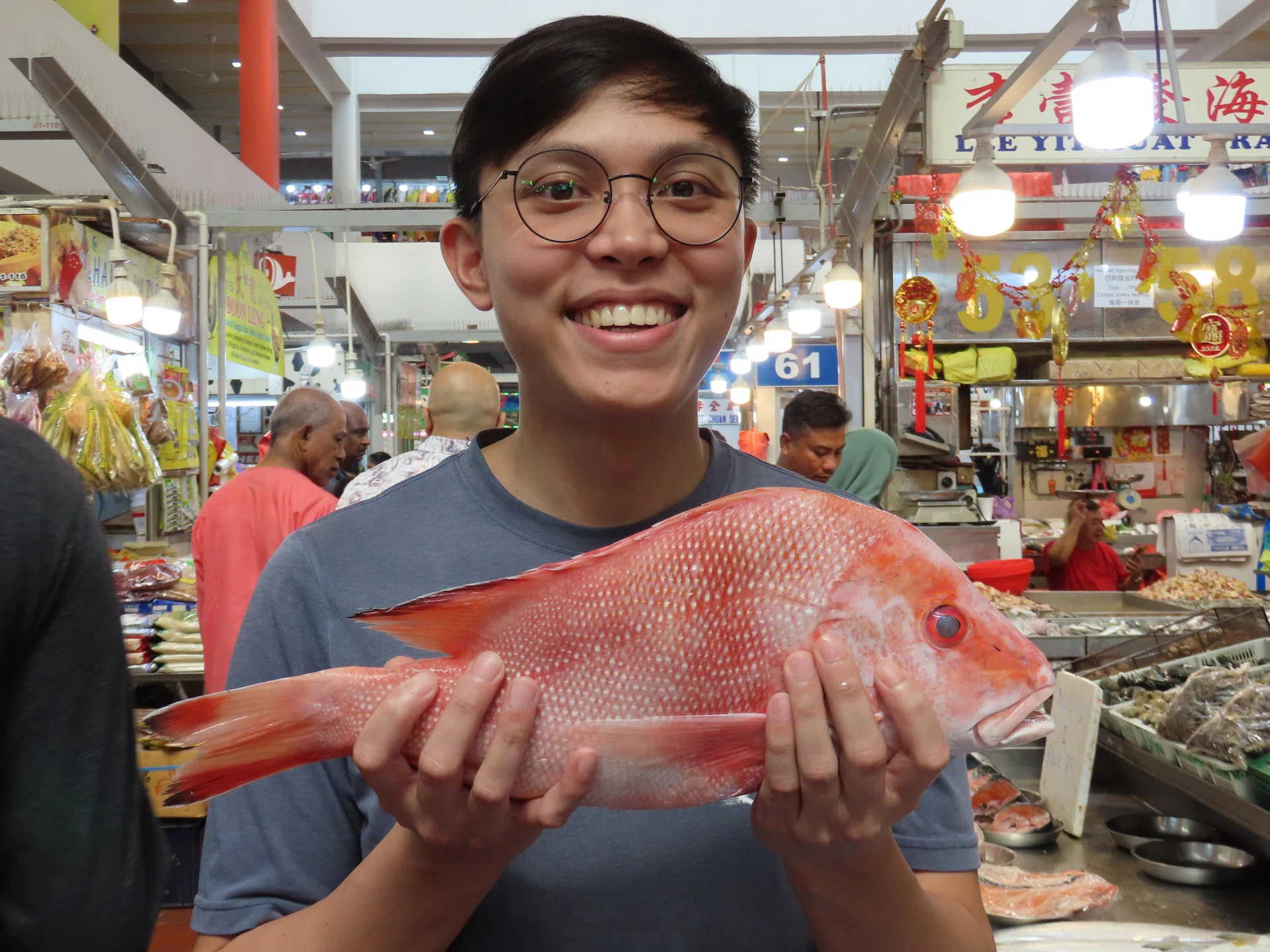
WHO: Elliott Ong, 30, co-founder of seafood-centred educational platform Pasarfish.
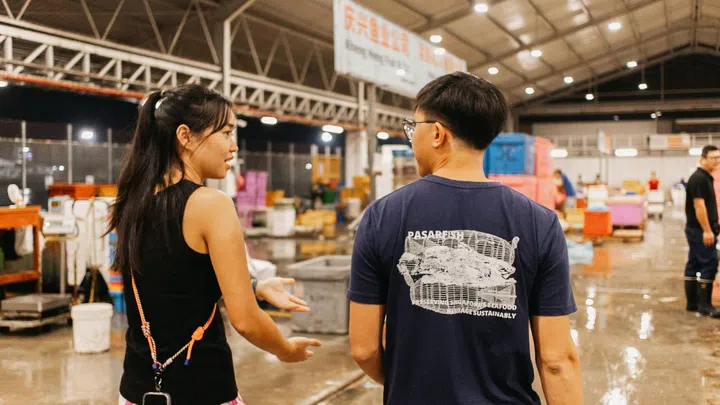
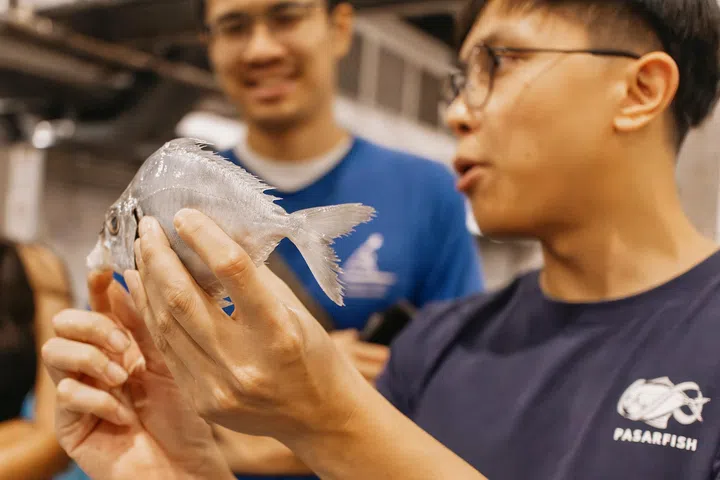
WHAT HE DOES: Launched in 2024, Pasarfish taps on Singaporeans’ greatest shared passion – food – to spark conversations around local marine ecology and the urgent need to protect it. Alongside co-founder Kenny Lek and a small team of volunteers and interns, Elliott runs workshops, wet market tours and online content aimed at making sustainability feel accessible and grounded in everyday life.
Now, what began as a niche initiative that cleverly bridged a gap in the local sustainability scene has since grown into a recognisable name among environmentally-conscious Singaporeans interested in food culture and conservation.
WHY KNOW HIM: Before Pasarfish, Elliott began his career working across various facets of conservation, including environmental consultancy and restoration projects. Despite previous experience in larger — and arguably more stable — environmental organisations, Elliott took the leap into running Pasarfish full-time after the platform began gaining traction.
Equal parts educator, entrepreneur and environmental steward, his work sits at the intersection of culture and sustainability. He’s also a strong advocate for getting more people outside traditional STEM backgrounds into environmental work. After all, who says saving the world is only for scientists?
See also: Meet Five Young Environmentalists Doing Things Their Way
Hey Elliott! First off: you’ve built Pasarfish around the idea that Singaporeans connect most deeply through food and culture rather than hard science. What made you realise that sustainability messaging needed to be communicated differently?
Elliott Ong (EO): “After working for quite a number of years in the environmental field, I realised that just communicating the hard science doesn’t work for the average person and we end up in a bubble, only engaging and impacting people already interested and doing their part to save the environment.
I thought for a long time about how we can reach outside of that bubble, and the solution that I ended up with was showing how intertwined environmental issues are with everyday issues that most people are passionate about. To a lot of Singaporeans, food and cultural heritage are interesting, important and things that they think about on a daily basis. At Pasarfish we want to show everyone that our daily choices, even those as routine as choosing the things that we eat, have a direct impact on ecosystems.”
You’ve worked in many different areas within the environmental sector. At what point did you realise you didn’t want to follow a conventional career path within it?
EO: “I wouldn’t say I don’t want to follow a conventional career path, but just decided that working in the public sector is not where I want to be at the moment. I prefer working for NGOs, corporations or start-ups. I chose to focus on Pasarfish at this point in time because it gained a good amount of traction and needed more legwork, which is why I had to go into it full-time.
With any kind of movement and initiative, it’s paramount to strike while the iron is hot. Seafood sustainability is something that is grossly under-researched and under-prioritised. Together with my co-founder Kenny, we were determined to get the ball rolling as soon as possible to see what we can do to help find solutions.”
As someone working across both consultancy and public-facing environmental education, how do you navigate situations where sustainability goals may not always align neatly with larger institutional or developmental priorities?
EO: “You have to make it make sense for decision-makers – basically speak their language. Whether its economics, public health priorities or food security, these are all wider and unfortunately more highly prioritised issues that are linked to environmental challenges. The key is in explaining how environmental issues are interlinked with these priorities and have to be solved in tandem with them.”
Environmental work can often feel slow-moving, especially in Singapore where development and conservation are constantly in tension. How do you stay motivated when progress feels uncertain or uninspiring?
EO: “I try to celebrate every little step forward. Nowadays, I manage my expectations a lot better. I have realised that real lasting change or impact takes a long time – often years – and it takes a lot of perseverance and collaboration with people from all sectors of society.
Fortunately I’ve not suffered from burnout yet, but it will probably come at some point. I think it’s always about managing expectations and not expecting results immediately. Genuine impact takes years to realise. I also think it is important to not be idealistic about things – there has to be a degree of give and take when working with all the different stakeholders to solve an environmental issue. Environmentalists should not expect to achieve perfect solutions. We also should not force a rigid concept of sustainability onto the projects that we work on, as it’s constantly evolving.”
Singapore’s youth culture right now seems increasingly interested in slower living and intentionality, which perhaps aligns with a move towards sustainability. Why do you think this shift is happening?
EO: “I love this shift and I think this is happening because young people nowadays are increasingly realising that hustle culture isn’t all that it was hyped up to be. Fulfilment nowadays is more linked to experiences and learning to appreciate the little moments. At the same time, I think greater consciousness around the ways our lives impact our surroundings – nature and people – means that we want to live lives with a smaller environmental footprint.”
You’re balancing Pasarfish full-time alongside consultancy work and preparing for a Master’s degree in Hawaii. How much do you earn on average per month these days, and how do you navigate financial stability while pursuing work that’s often seen as unconventional?
EO: “To be very honest, both Kenny and I have not taken a salary from Pasarfish yet. Most of the earnings have been spent on logistics and paying our volunteers and interns. Since we are grant-funded, these will be recuperated after our projects have reached completion.
The key to being able to survive this long on my savings is just making sure that I saved as much money as possible when I was working a normal 9-to-5. Like many of us, the bulk of my expenditure goes towards food and transport. I tend to spend on necessities mainly and only shop for ‘wants’ on special occasions.”
What’s one part of your story that people don’t really see, but has been crucial in shaping the work you do today?
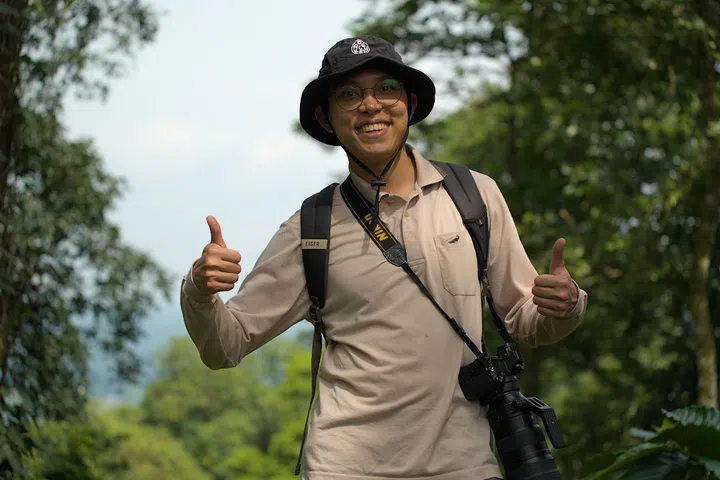
EO: “The opportunities that I’ve been given have arisen because of many important and supportive people in my life like my ex-supervisors, friends and family. A lot of them have also come from just being open to learning from and working with people from all backgrounds, and staying curious in general.”
What does success mean to you?
EO: “I think success can be measured in many ways. At the end of my 20s, this is my current definition, though I can expect that this might change later in life: I think success is defined by the impact that you make. I don’t care as much about media publicity or awards any more. What matters more is the actual impact a project or initiative makes on the ground, whether that be in rehabilitating landscapes, improving the lives of communities or alleviating threats to certain species.”
What’s one misconception people outside the environmental sector have about working in sustainability in Singapore?
EO: “There is an outdated misconception that the environmental sector doesn’t pay well. At this point, it isn’t one of the highest paying sectors, but most environmental professionals can easily earn a comfortable salary. Another misconception is that you have to study biological sciences, zoology or environmental science to work in this sector. Oftentimes, the most sought after positions for environmental work are for communications, marketing, or project management. So I always tell people that you shouldn’t feel like you aren’t qualified to work in this field just based on your degree, but you do have to be open to learning new skills and adapting to the sector.”
What do you wish you’d known earlier before entering this field — especially about turning passion-driven work into an actual career?
EO: “I like surprises, so I don’t wish that I’d known anything earlier. I’ve experienced things I never thought I would, but they also come with their challenges. Sometimes knowing too much (especially the challenges) can discourage you from starting something that turns out to be amazing.”
Looking ahead, what gaps do you still think exist in Singapore’s relationship with nature and sustainability that younger creatives or entrepreneurs could help fill?
EO: “In Singapore, we pick and choose which aspects of nature we want to coexist with or even just ‘tolerate’. I would like to see a Singapore where we truly learn to be a City in Nature and accept the entirety of what comes with living alongside nature – the good, the bad and the ugly. Recently, another crocodile was put down for public safety for simply being in the vicinity of human activities. A more resilient, tolerant and understanding society requires a lot more education around living with our wild neighbours.”
Finally, who’s another young creative or person taking a “path less trodden” that you think we should talk to next?
EO: “I initially wanted to mention Timothy Heng from The Outside, but he has unfortunately left us for a better place doing what he loved. May he rest in peace. Another person that would be perfect is Yew Jin Lee, co-founder of Plastify.”